Marinade Do's and Don'ts: Simple Rules for Juicy, Flavorful Meat
When you're trying to make chicken, lamb, or even paneer taste amazing, the marinade, a mixture of acids, oils, spices, and sometimes dairy that tenderizes and flavors meat before cooking. Also known as tenderizing soak, it's not just about adding flavor—it's about changing how the meat behaves in the pan or grill. Skip the marinade, and you risk dry, bland results. Use it wrong, and you can end up with mushy texture or bitter taste. The difference between a good marinade and a great one isn't fancy ingredients—it's knowing what to do, and what not to do.
One big mistake? Thinking more time equals better flavor. That’s not true. Leaving chicken in a lemon-heavy marinade overnight turns the surface mushy. The acid breaks down proteins too far. Indian cooks know this—they often marinate chicken for just 2 to 4 hours, sometimes less, especially with yogurt-based mixes. Yogurt is a gentle tenderizer. It doesn’t burn the meat like vinegar or citrus can. It also helps spices stick better. That’s why tandoori chicken gets its deep color and soft bite—not from hours of soaking, but from the right balance of yogurt, spices, and time.
Another thing? Don’t reuse marinade. If you’ve had raw meat sitting in it, that liquid is now a bacteria hotspot. Even if you boil it, you’re risking food safety. Indian recipes often suggest making extra marinade to brush on during cooking, but always set aside a clean portion before adding raw meat. Also, don’t skip the salt. Salt pulls moisture out, then lets it reabsorb with flavor. It’s the secret behind juicy kebabs. And don’t overcrowd the bowl—meat needs space to soak evenly. If everything’s piled up, only the top pieces get the benefit.
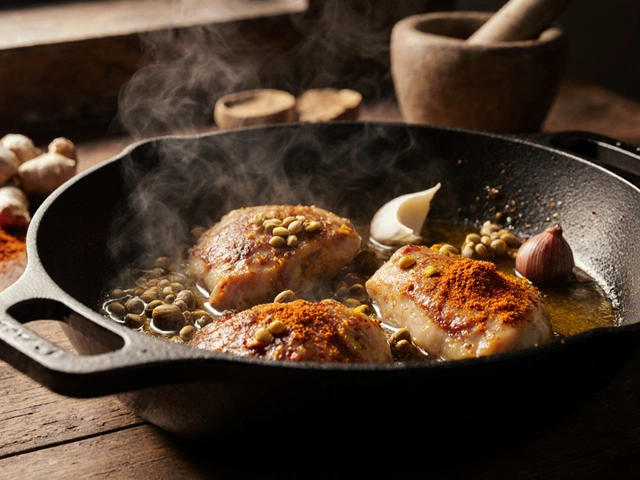
What about oil? You need it. Oil carries fat-soluble spices like cumin, coriander, and turmeric into the meat. Water-based marinades don’t work as well for Indian dishes. That’s why you see so many recipes using mustard oil, ghee, or even coconut oil. They don’t just add flavor—they help the meat stay moist during high heat. And don’t forget the sugar. A pinch of jaggery or brown sugar helps with browning and balances the tang. It’s not for sweetness—it’s for color and depth.
Some people think you need expensive cuts to make a good marinade work. Not true. Even tough, cheap cuts like shoulder or drumsticks become tender with the right marinade. The key is matching the marinade to the meat. Chicken? Yogurt and spices. Lamb? Yogurt, garlic, and ginger. Paneer? Just a quick 30-minute soak with cumin and chili. The marinade isn’t magic—it’s science, and Indian home cooks have been using it for generations.
Now that you know the basics, you’ll see why the posts below focus on real, tested methods—like how to use coconut milk without curdling, why soaking basmati rice matters, or how to make paneer from scratch. These aren’t random recipes. They’re all connected to one thing: getting the fundamentals right before the cooking even starts. Whether you’re making chicken curry, kebabs, or grilled veggies, the marinade is your first and most important step. Get it right, and everything else follows.

Chicken Marinade Mistakes: What Not to Put for Perfect Tandoori Flavor
Curious why your tandoori chicken sometimes turns out rubbery, mushy, or just bland? This article uncovers the top ingredients you should avoid putting in your chicken marinade, especially when aiming for classic tandoori results. Learn the science behind common mistakes, discover smart substitutes, and get tips for getting juicy, flavorful chicken every time. Find out how to keep your marinade safe and effective without ruining texture or taste. Stop guessing—start marinating smarter.
Read More