Health Comparison: Which Indian Foods Really Win for Nutrition?
When we talk about health comparison, the process of evaluating nutritional value across different foods to determine which options best support wellness. Also known as nutritional analysis, it’s not about fancy diets or trendy superfoods—it’s about understanding what’s actually in your everyday meals. In India, where food is tied to culture, tradition, and daily rhythm, a true health comparison means looking past myths and asking: Which dal gives you the most protein? Is that dosa really good for you? Does paneer last longer than you think, and does it even help your health if it’s gone bad?
Let’s cut through the noise. Indian food nutrition, the actual nutrient profile of traditional dishes like dal, poha, idli, and chole bhature isn’t about being vegetarian or non-vegetarian—it’s about ingredients, preparation, and timing. For example, healthy dal, a staple legume dish made from split lentils and spices isn’t just a side dish. Moong dal has less glycemic load than masoor dal. Urad dal packs more iron. And when you soak and ferment it before cooking, you unlock more protein and digestibility. That’s not marketing—that’s science you can cook with.
Same goes for nutritious Indian snacks, traditional bite-sized foods eaten between meals that can either fuel your day or spike your blood sugar. A plate of bhel puri? Loaded with carbs and fried sev. But a handful of roasted chana or a small bowl of poha with peanuts and lemon? That’s fiber, slow-release energy, and no added sugar. And when it comes to Indian breakfast health, the morning meals across India that shape your energy levels for the rest of the day, idli and upma beat toast and jam every time—not because they’re "Indian," but because they’re fermented, low-glycemic, and packed with plant-based protein. Even the sweets have a place: ragi laddus made with jaggery and nuts give you calcium and iron without the crash of refined sugar.
Here’s the thing: health isn’t a label. It’s a pattern. It’s choosing the right dal over the wrong one. Knowing when paneer is still safe to eat—or when it’s time to toss it. Understanding that coconut milk won’t curdle if you add it slowly. Real health comes from small, smart swaps, not extreme restrictions. You don’t need to give up biryani or gulab jamun—you just need to know how they fit into your plate, and how to make them better.
Below, you’ll find real, tested comparisons: which breakfast keeps you full longest, which sweets are actually low-sugar, which snacks help with weight loss without leaving you hungry, and which dals are nutrition powerhouses. No fluff. No trends. Just facts you can use at your stove tomorrow morning.
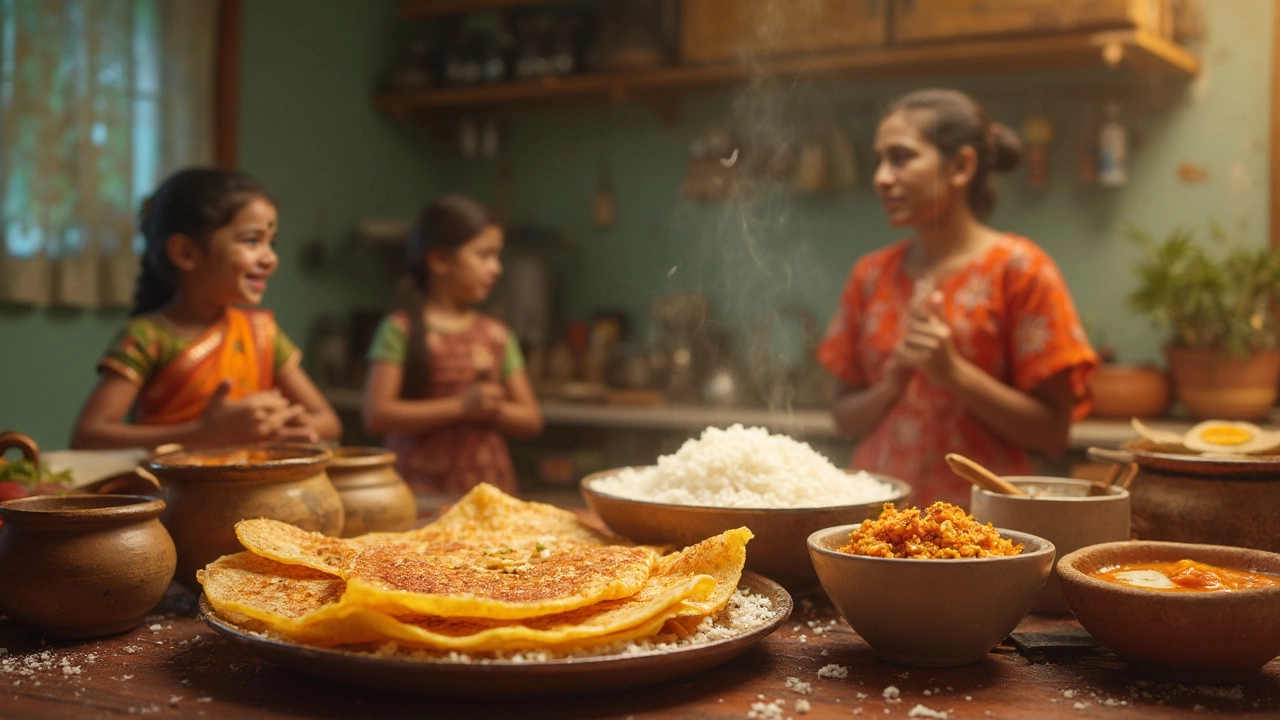
Is Dosa Healthier or Rice? Real Talk for Your Plate
When you’re torn between dosa and rice for your next meal, the choice isn’t just about taste. This article compares dosa and plain rice from a health and nutrition angle, unpacking carbs, proteins, and even gut benefits. You’ll get to know what actually happens when you swap out rice for dosa or vice versa. We’ll also dive into why dosa batter matters and what to tweak for better health. Expect real answers and a few surprises if you thought one was the clear winner.
Read More