Vrindavan Food Compliance Checker
Check if your food items comply with Vrindavan's strict vegetarian regulations. The town bans all non-vegetarian food, eggs, and alcohol in public spaces and commercial establishments.
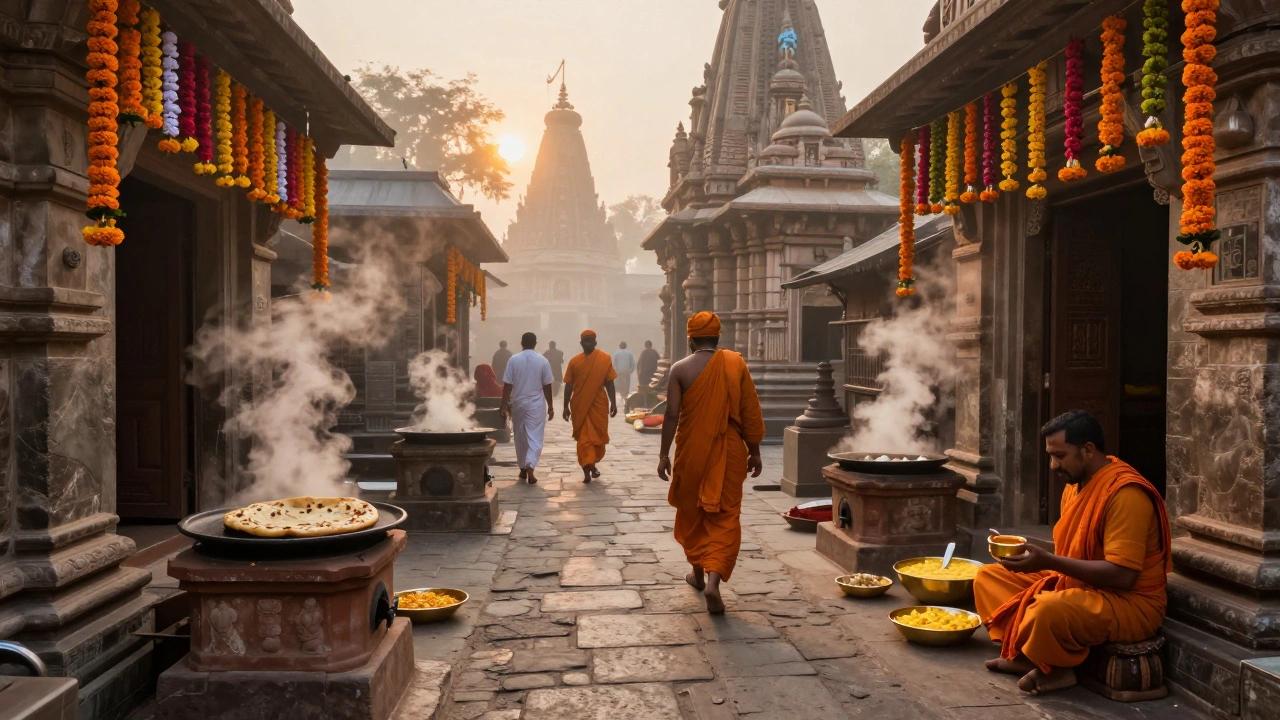
Walk through the streets of Vrindavan at sunrise, and you’ll smell jaggery-laced kheer, fresh roti from clay ovens, and the earthy scent of turmeric and cumin. But you won’t smell frying chicken or grilling mutton. That’s because Vrindavan, one of Hinduism’s most sacred sites, has quietly become one of India’s strictest vegetarian zones. It’s not just a cultural preference-it’s enforced by local law and deep-rooted religious belief.
What’s Actually Banned in Vrindavan?
No, you won’t find a sign that says "Meat Prohibited" on every corner. But if you try to bring in beef, pork, chicken, or any animal flesh-whether for sale, cooking, or eating-you’ll run into trouble. The Vrindavan Municipal Corporation passed a resolution in 2021 that bans the sale, storage, and consumption of non-vegetarian food within the town limits. This includes hotels, restaurants, street vendors, and even private homes if they’re running a food business. The rule applies to all residents and visitors alike.
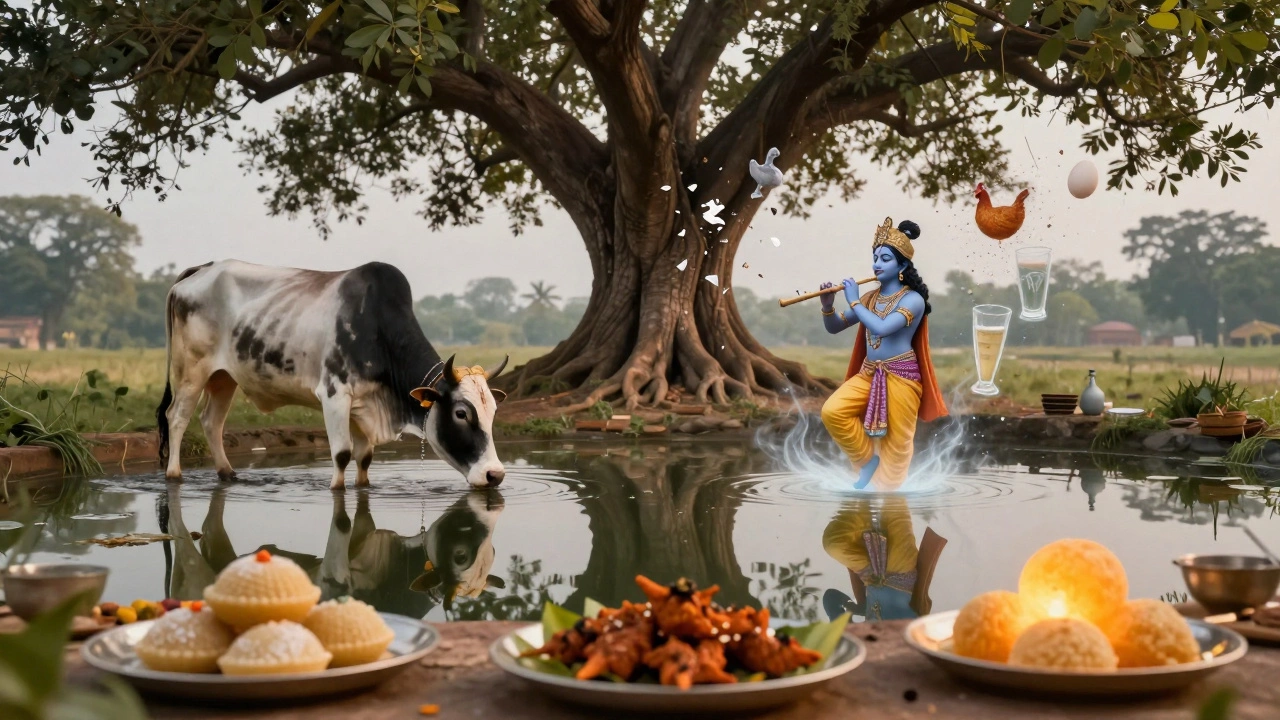
The ban doesn’t just target meat. It also covers eggs and alcohol. Even fish is off-limits. The logic? Vrindavan is the birthplace of Lord Krishna, who is often depicted as a cowherd and protector of cows. In Hindu tradition, cows are sacred, and killing animals for food is seen as spiritually harmful in this holy place. The local government says the ban preserves the town’s sanctity and attracts millions of pilgrims who come seeking peace, purity, and devotion.
How Is the Ban Enforced?
You might think this is just a suggestion. It’s not. The Vrindavan police and municipal inspectors regularly raid shops and homes. In 2023, authorities shut down three small eateries in the main market for serving chicken curry. Owners were fined ₹10,000 each and forced to sign an affidavit promising not to serve non-veg again. One shop owner told reporters he switched to paneer tikka and dal makhani-and his sales went up by 40%.
There’s no blanket ban on carrying meat through the town. If you’re just passing through with a packed lunch, you won’t be searched. But if you try to cook it in your hotel room or open a stall selling kebabs, you’re breaking the law. Tourists who ignore the rules often find themselves in awkward situations: locals will politely ask them to stop eating meat, and some temples refuse entry to those seen carrying non-veg items.
What Can You Eat in Vrindavan?
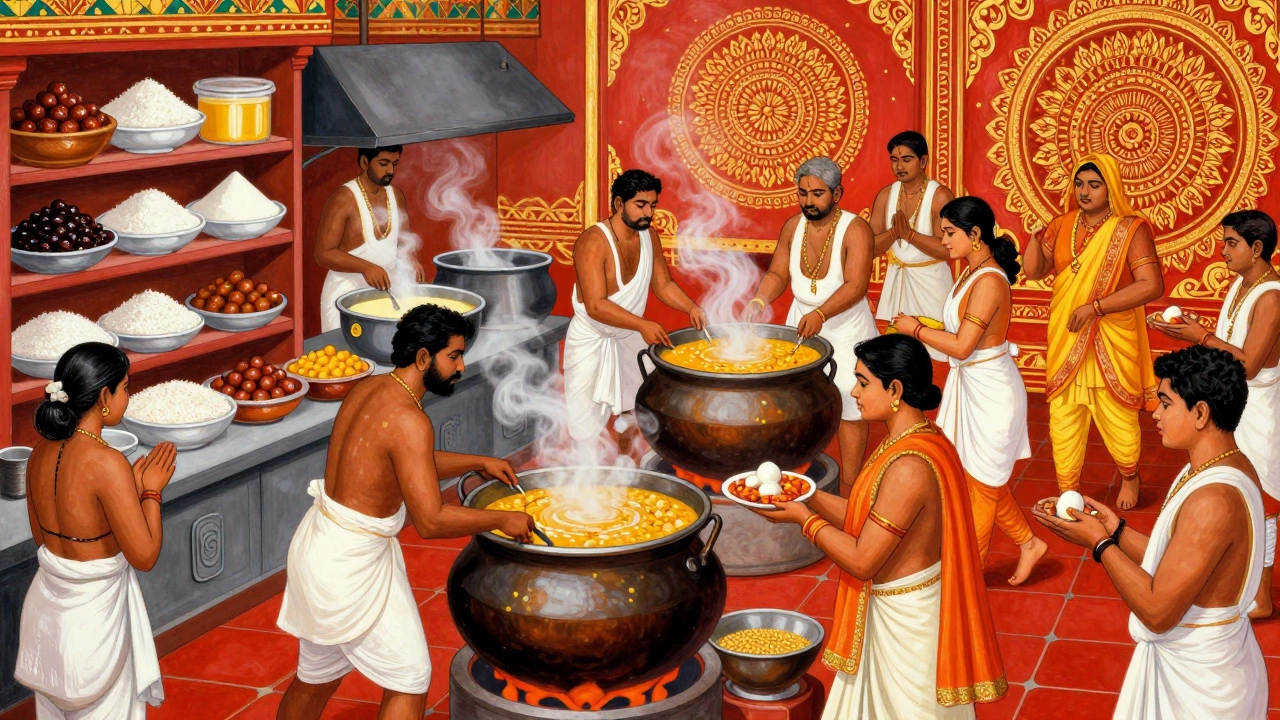
Don’t worry-there’s no shortage of food. Vrindavan is famous for its temple prasadam, or sacred offerings. At the ISKCON temple alone, over 10,000 meals are served daily to pilgrims-all vegetarian, all free. These meals include rice, dal, sabzi, roti, kheer, and laddoos made with gram flour and jaggery.
Local restaurants specialize in traditional Braj cuisine, a style of vegetarian cooking that dates back 500 years. Think:
- Mathura peda-soft milk fudge sweetened with sugar and cardamom
- Kachori sabzi-spiced lentil dumplings served with potato curry
- Churma-crushed wheat biscuits mixed with ghee and jaggery
- Paneer tikka-cubes of cottage cheese grilled with spices and yogurt
- Dal baati churma-lentils, baked wheat balls, and sweet crumble
Many of these dishes are cooked without onion and garlic, following the Satvik diet, which is believed to promote calmness and spiritual clarity. You’ll find this style in almost every temple kitchen and many homes.
Why Does This Rule Exist Here and Not Elsewhere?
Other holy cities like Varanasi and Puri have vegetarian zones, but none are as strictly enforced as Vrindavan. Why? Because Vrindavan isn’t just a temple town-it’s considered the exact earthly location where Krishna played as a child. Every cow, every tree, every river here is believed to be part of his divine pastimes.
Local priests and elders say the ban isn’t about controlling people-it’s about protecting the energy of the place. They believe that the scent of meat, the sound of slaughter, or even the thought of killing animals disrupts the spiritual atmosphere. This isn’t just tradition-it’s a living belief. Many pilgrims say they feel lighter, calmer, and more focused on prayer when they don’t eat meat here.
Compare this to Delhi or Mumbai, where meat markets thrive next to temples. In those cities, religion and daily life are separate. In Vrindavan, they’re woven together. The food you eat isn’t just fuel-it’s part of your spiritual practice.
What Happens If You Ignore the Ban?
Most tourists don’t get punished for eating meat in private. But if you’re caught selling it, cooking it publicly, or forcing it on others, you’ll face consequences. Fines range from ₹5,000 to ₹25,000. Repeat offenders can be asked to leave the town. One foreign couple was detained for two hours in 2024 after eating chicken curry in their hotel room while tourists outside were chanting Krishna’s name.
Some travelers complain the rule is too strict. But most who stay a few days change their minds. One American visitor wrote on a travel forum: "I came here thinking it was a joke. I left feeling like I’d been given a gift. Eating only plant-based food for five days made me notice flavors I’d never tasted before. The food wasn’t boring-it was alive."
Is There Any Movement to Lift the Ban?
There have been small protests. A few non-vegetarian restaurants near the town’s edge tried to reopen after the ban. They were shut down again within weeks. Local businesses have adapted. Many now market themselves as "Pure Satvik Dining" or "Krishna-Approved Meals."
Some argue the ban hurts tourism. But data from the Uttar Pradesh Tourism Department shows Vrindavan’s visitor numbers have grown by 18% since the ban took effect. Most visitors are Indian pilgrims who expect this rule. Foreign tourists who come for yoga, meditation, or spiritual retreats often welcome it.
The real question isn’t whether the ban is fair-it’s whether you’re visiting to experience the town as it is, or to impose your own habits on it. In Vrindavan, food isn’t a choice. It’s a form of respect.
What Should You Do If You Visit?
If you’re planning a trip to Vrindavan:
- Leave meat, eggs, and alcohol at home-or pack them in sealed bags and don’t open them.
- Ask your hotel if they serve non-veg. Most don’t, but some near the highway might. Avoid them.
- Try the temple meals. They’re free, delicious, and deeply meaningful.
- Don’t eat meat in public spaces. Even if no one stops you, it’s disrespectful.
- Be open-minded. You might discover you like the food more than you expected.
Many people who come to Vrindavan expecting bland, boring vegetarian food leave amazed. The flavors are bold, the spices are layered, and the meals are made with intention. This isn’t a diet. It’s devotion.
Is it illegal to eat meat in Vrindavan?
It’s not illegal to eat meat in private, but selling, cooking, or serving non-vegetarian food in Vrindavan is banned by local law. If you’re caught publicly consuming or distributing meat, you could face fines or be asked to leave. The ban is enforced to preserve the town’s spiritual environment.
Are eggs banned in Vrindavan?
Yes, eggs are included in the ban. In Vrindavan’s religious context, eggs are considered non-vegetarian because they come from animals and are seen as potential life. Most temples and restaurants serve egg-free meals.
Can I bring non-veg food into Vrindavan for personal use?
You can bring it in, but you must not cook, serve, or eat it in public. Most visitors choose to leave it behind to avoid awkward situations. If you’re staying in a private guesthouse, some may allow it discreetly-but it’s still considered disrespectful by locals.
Do hotels in Vrindavan serve non-vegetarian food?
Almost none do. Nearly all hotels and guesthouses in the town center serve only vegetarian meals. A few near the highway or outside the municipal limits may offer non-veg options, but they’re rare and often avoided by pilgrims.
Is Vrindavan the only place in India with a meat ban?
No, but it’s the strictest. Other holy towns like Mathura (just 15 km away), Puri, and Varanasi have vegetarian zones around major temples. But Vrindavan is unique because the ban covers the entire town, not just temple grounds, and is actively enforced by local authorities.
If you’re curious about Indian vegetarian food, Vrindavan is one of the best places to explore it. The flavors are rich, the history is deep, and the experience is unlike anything you’ll find in a city restaurant. Come with an open plate-and an open heart.