Urad Dal Soaking Time Calculator
Calculate Your Soaking Time
Recommended Soaking Time
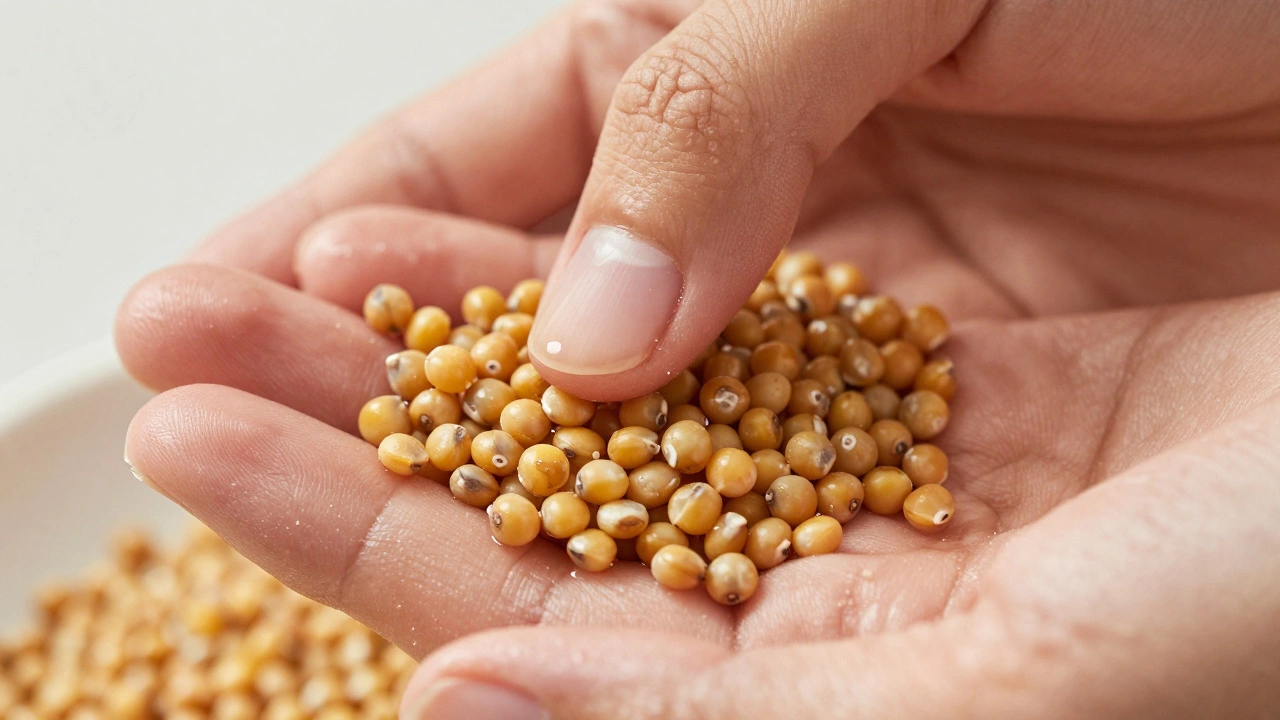
Ideal texture: Mashes easily between fingers
Getting the perfect crispy dosa starts before you even touch the grinder. The most critical step is knowing exactly how long to soak your urad dal. If you get this wrong, your batter won't ferment, and your dosas will be flat or soggy. The short answer is simple: you need to soak urad dal for at least soaking time of four to six hours. However, there is a lot more to this process than just waiting by the clock. Understanding the texture, water temperature, and how it connects to fermentation makes the difference between a good breakfast and a great one.
Many home cooks rush this step because they want to eat quickly. But skipping the proper hydration of the black gram means the starch won't break down correctly. Without that breakdown, the grinding process becomes a struggle, and the final batter lacks the airy texture we all love. I have spent years testing this in my own kitchen here in Brighton, adapting traditional methods to local water temperatures and seasons. Let's break down exactly how to handle your lentils for the best results.
The Golden Window for Soaking Urad Dal
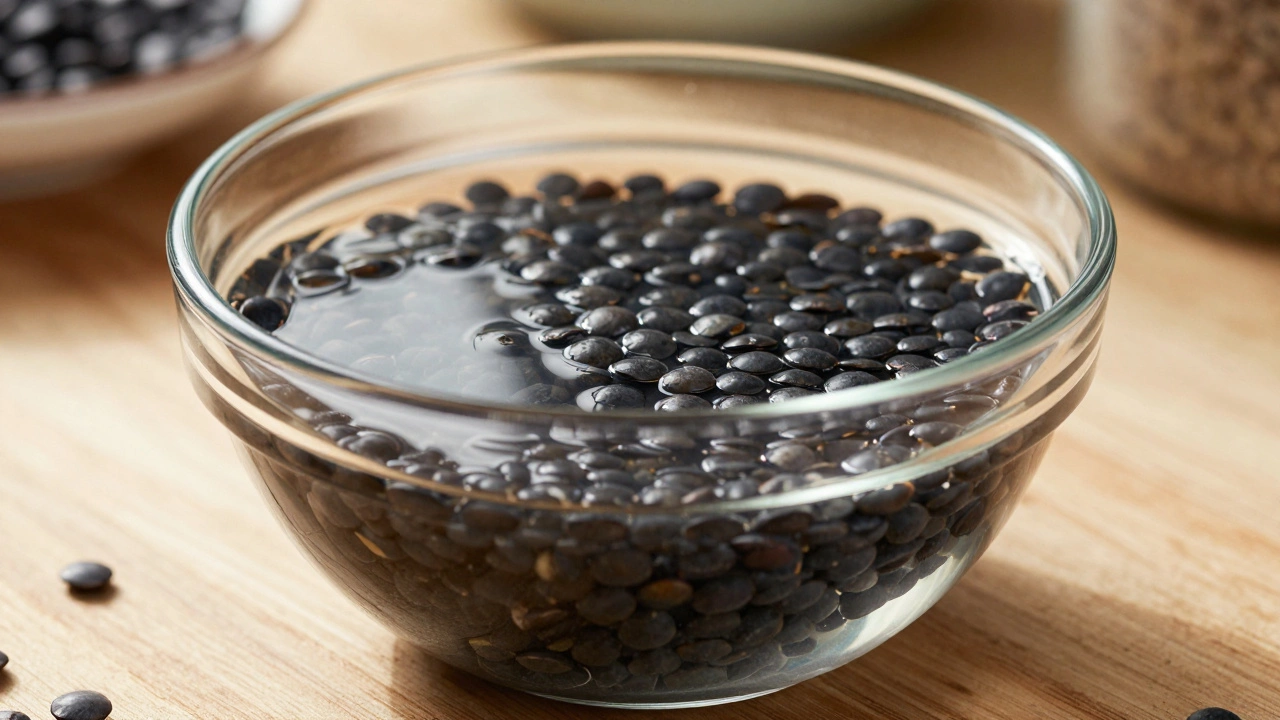
When you buy dry black gram, it is hard as a rock. The goal of soaking is to soften the outer skin and hydrate the inner kernel. This makes it easy to grind into a smooth paste. The ideal window is four to six hours. If you soak it for less than three hours, the dal remains too hard. This forces your blender to work overtime and results in a gritty batter. If you soak it for more than eight hours, especially in warm weather, the dal can start to ferment prematurely before you even add the rice.
Urad Dal is a type of black gram lentil that serves as the primary protein source in South Indian batters. It is Black Gram and is essential for the spongy texture of fermented dishes. In the winter months, you might lean towards the six-hour mark because the water stays cooler. In the summer, four hours is often sufficient. The key is to check the texture rather than relying solely on the clock.
To check if your dal is ready, take a few grains and rub them between your thumb and forefinger. They should mash easily without any resistance. If they still feel hard in the center, give them another thirty minutes. If they fall apart completely, they have been soaked too long. This tactile test is more reliable than any timer on your phone.
Why Soaking Matters for Fermentation
Soaking is not just about grinding; it is about preparing the dal for fermentation. When urad dal absorbs water, it activates natural enzymes. These enzymes break down complex starches into simple sugars. Yeast and bacteria in the air need these sugars to feed on during the fermentation process. Without enough soaking, there are fewer sugars available. This leads to a flat batter that doesn't puff up on the pan.
Fermentation is a biological process where microorganisms break down carbohydrates into alcohol or organic acids. In cooking, it Dosa Batter to create a tangy flavor and airy structure. Think of soaking as the fuel tank for this engine. If you don't fill the tank, the car won't drive. A well-soaked dal ensures that your batter rises properly overnight, giving you those characteristic bubbles on the surface. This is why traditional recipes insist on soaking the dal separately from the rice.
Some people wonder if they can skip soaking to save time. You can use a pressure cooker to soften the dal, but it changes the texture. Boiled dal often results in a denser batter. Soaking preserves the natural oils and proteins that contribute to the crispiness of the final dosa. The patience you spend soaking pays off in the quality of the meal.
Water Temperature and Seasonal Adjustments
The temperature of your water plays a huge role in how fast the dal absorbs moisture. In my experience, using lukewarm water speeds up the process slightly. However, you must be careful not to use hot water. Hot water can cook the outer layer of the dal while leaving the inside hard. This is called 'scalding' the grain. It creates a barrier that prevents proper hydration.
If you live in a cold climate like the UK, tap water might be quite chilly. In this case, you might need to extend the soaking time to six hours or use water that is just slightly warmer than room temperature. Conversely, if you are in a hot climate, four hours is plenty. The risk in hot weather is over-fermentation. If the dal sits in water for too long in the heat, it becomes sour before you even grind it.
Always use clean, filtered water if possible. Tap water with high chlorine content can sometimes inhibit the natural bacteria needed for fermentation. This is a small detail that often gets overlooked but can make a noticeable difference in the final rise of your batter.
Separating Dal and Rice Soaking Times
A common mistake is soaking the rice and the dal together for the same amount of time. They have different densities and require different treatments. While urad dal needs four to six hours, the rice usually needs less time. Parboiled rice, often used for idli and dosa, is already partially cooked. It absorbs water quickly.
| Ingredient | Soaking Duration | Texture Check |
|---|---|---|
| Urad Dal (Black Gram) | 4 to 6 Hours | Mashes easily between fingers |
| Parboiled Rice | 2 to 3 Hours | Soft but not mushy |
| Raw Rice | 3 to 4 Hours | Plump and hydrated |
If you soak the rice for too long, it becomes mushy. When you grind it, it turns into a sticky paste rather than a smooth batter. This stickiness can weigh down the airy dal paste. By soaking them separately, you maintain control over the consistency of each component. Drain the water from both before grinding. Never grind the soaking water, as it contains impurities and can make the batter sour too quickly.
Grinding Consistency After Soaking
Once your dal is soaked, the grinding process should be smooth. You want a fluffy, aerated paste. This is where the soaking time really shows its value. If the dal was soaked correctly, the grinder won't struggle. You can add a little water while grinding to keep the blades moving, but the dal should release its own moisture.
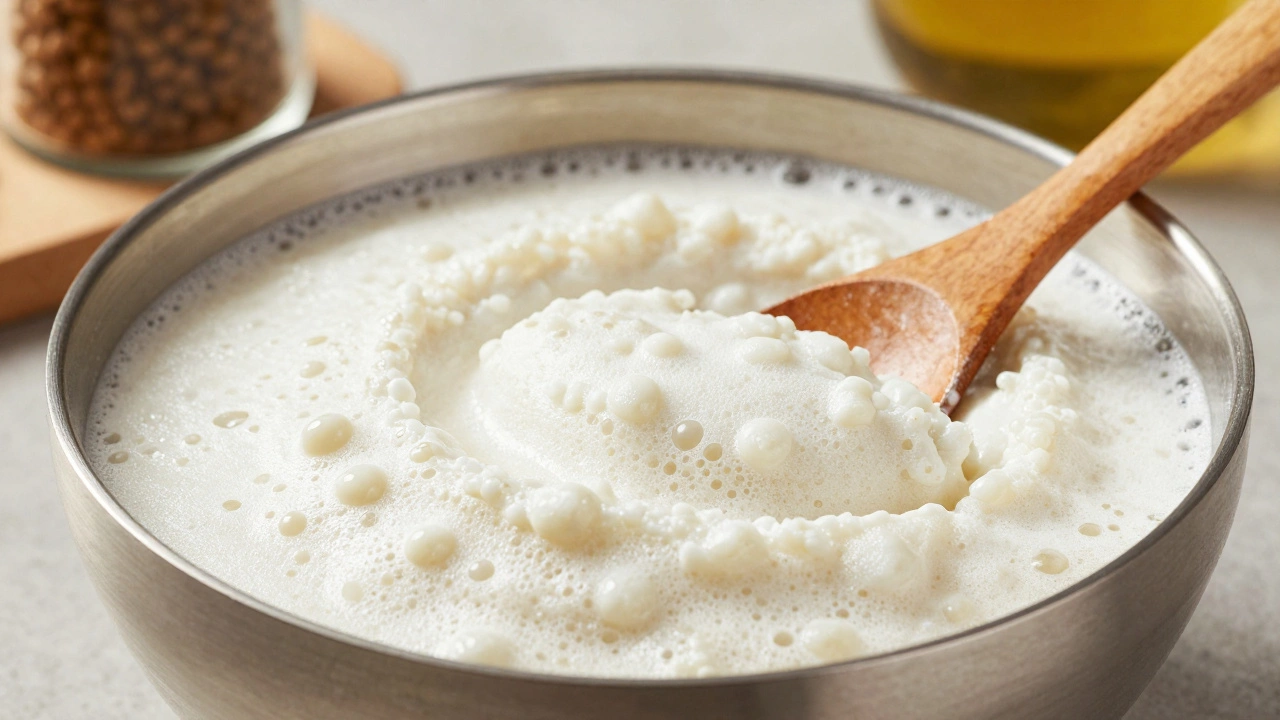
Dosa Batter is a fermented mixture of rice and urad dal used to make thin crepes. It Urad Dal and Rice as primary components. The dal paste should be white and frothy. If it looks grey or dull, the dal might have been over-soaked or the water was too old. The rice paste should be slightly grainy but smooth. When you mix the two, the batter should be pourable but thick enough to hold its shape on the pan.
Many people add fenugreek seeds to the dal while soaking. These seeds help with fermentation and add a slight bitterness that balances the sourness of the batter. If you use fenugreek, soak it with the dal for the full four to six hours. Do not soak it longer, or it will become too bitter.
Troubleshooting Common Soaking Issues
Sometimes, despite your best efforts, the soaking doesn't go as planned. If you find your dal is still hard after six hours, check the age of the dal. Old lentils take longer to soften. You might need to soak them for eight hours or even overnight. However, if you soak them overnight in warm weather, drain and refrigerate them to prevent souring.
If the water turns cloudy or smells sour before grinding, discard it. This indicates bacterial growth that is not helpful. Fresh water is essential. Also, ensure your soaking bowl is clean. Any residue from previous cooking can introduce unwanted bacteria that spoil the fermentation process.
Another issue is the skin of the dal. Some recipes call for removing the skin after soaking. This is optional but results in a lighter colored batter. If you choose to remove the skin, rub the soaked dal under running water. The skins will float away. This step is labor-intensive but worth it for a premium texture.
Storing Soaked Dal
You might wonder if you can soak the dal a day in advance. Yes, you can, but you must store it properly. If you soak the dal and leave it out at room temperature for more than eight hours, it will spoil. If you need to soak it ahead of time, drain the water and store the dal in the refrigerator. Cover it with fresh water and keep it cold. This pauses the fermentation process until you are ready to grind.
Do not store the soaking water. Always drain it completely. The water contains dissolved impurities and starch that can turn bad quickly. Fresh water should be used only for the soaking period. This simple habit keeps your batter fresh and safe to eat.
Regional Variations in Soaking
Different regions in South India have slightly different approaches. In Chennai, the dosa is often thinner and crispier. They might soak the dal for a longer time to ensure a very fine paste. In Mysore, the dosa is thicker and spicier. They might soak the dal for a standard four hours. Understanding these nuances helps you tailor your soaking time to the style of dosa you want to make.
For a crispy paper dosa, focus on the dal. Ensure it is ground to a very fine, fluffy consistency. This requires perfect soaking. For a soft, fluffy dosa, you can be a bit more lenient with the soaking time. The rice ratio also changes, but the dal remains the foundation of the texture.
Frequently Asked Questions
Can I soak urad dal overnight?
Yes, you can soak urad dal overnight, but it is best to keep it in the refrigerator. If left at room temperature for more than 8 hours, especially in summer, the dal may start to ferment prematurely and become sour.
What happens if I soak urad dal for too long?
Over-soaking can cause the dal to become too soft and mushy. It may also lead to unwanted fermentation before grinding, resulting in a batter that is too sour or has a bad smell.
Should I soak rice and urad dal together?
It is better to soak them separately. Urad dal needs 4-6 hours, while rice usually needs only 2-3 hours. Soaking them together can lead to the rice becoming too soft and mushy.
Does water temperature affect soaking time?
Yes, lukewarm water speeds up soaking, while cold water slows it down. However, avoid hot water as it can cook the outer layer of the dal, preventing proper hydration.
Can I skip soaking and cook the dal instead?
You can pressure cook the dal, but it changes the texture. Soaked and ground dal creates a fluffier batter. Cooked dal tends to make the batter denser and less airy.
Getting the soaking time right is the foundation of great Indian cooking. It is a small step that requires patience, but the reward is a batter that rises perfectly and a dosa that is crisp on the outside and soft on the inside. Whether you are making it for a quick breakfast or a special dinner, respecting the soaking time ensures success every time.