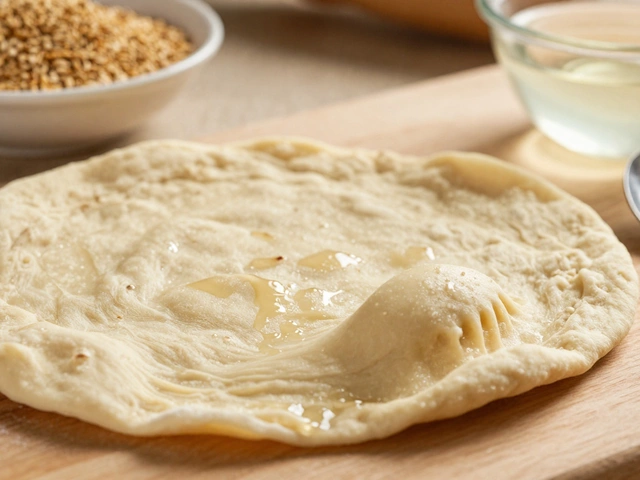
Indian Breads: Soft Roti, Naan, and the Secrets Behind Perfect Flatbreads
When you think of Indian breads, a diverse family of flatbreads made from wheat, rice, or other flours, central to daily meals across India. Also known as roti, chapati, or phulka, these breads aren’t just side dishes—they’re the foundation of every meal, from spicy curries to simple dal. Whether you’re tearing into a warm roti, a simple, unleavened flatbread cooked on a griddle, often made with whole wheat flour or pulling apart a pillowy naan, a leavened, oven-baked bread typically brushed with butter or garlic, you’re tasting centuries of tradition. But here’s the thing: most people get it wrong. They think roti and naan are the same, or that adding oil makes roti soft by magic. It’s not magic—it’s timing, technique, and a little science.
What makes one roti chewy and another melt in your mouth? It’s not just the flour. It’s roti dough, the mixture of flour, water, and sometimes fat or leavening agents, kneaded to the right consistency for optimal texture. Add oil too early, and the gluten doesn’t develop. Add it too late, and the dough stays dry. Use baking soda? It can help, but only if you know how much—and when. A pinch can make your roti puff up like a cloud. Too much, and it turns bitter. And while naan uses yeast and yogurt to rise, roti relies on heat and pressure. That’s why one is soft and stretchy, the other is light and airy. These aren’t just recipes—they’re little experiments in texture, temperature, and tradition.
You don’t need a tandoor to make restaurant-style bread at home. You just need to know the right tricks. That’s why we’ve gathered the most practical guides—how to knead dough so it doesn’t crack, when to press your roti for the perfect puff, why some cooks swear by baking soda while others avoid it like salt, and the real difference between naan and roti that no one ever explains. No fluff. No myths. Just what works. Below, you’ll find step-by-step fixes for dry roti, the exact moment to add oil, and why your naan never puffs like it should. These aren’t just tips—they’re the small changes that turn good bread into great bread.
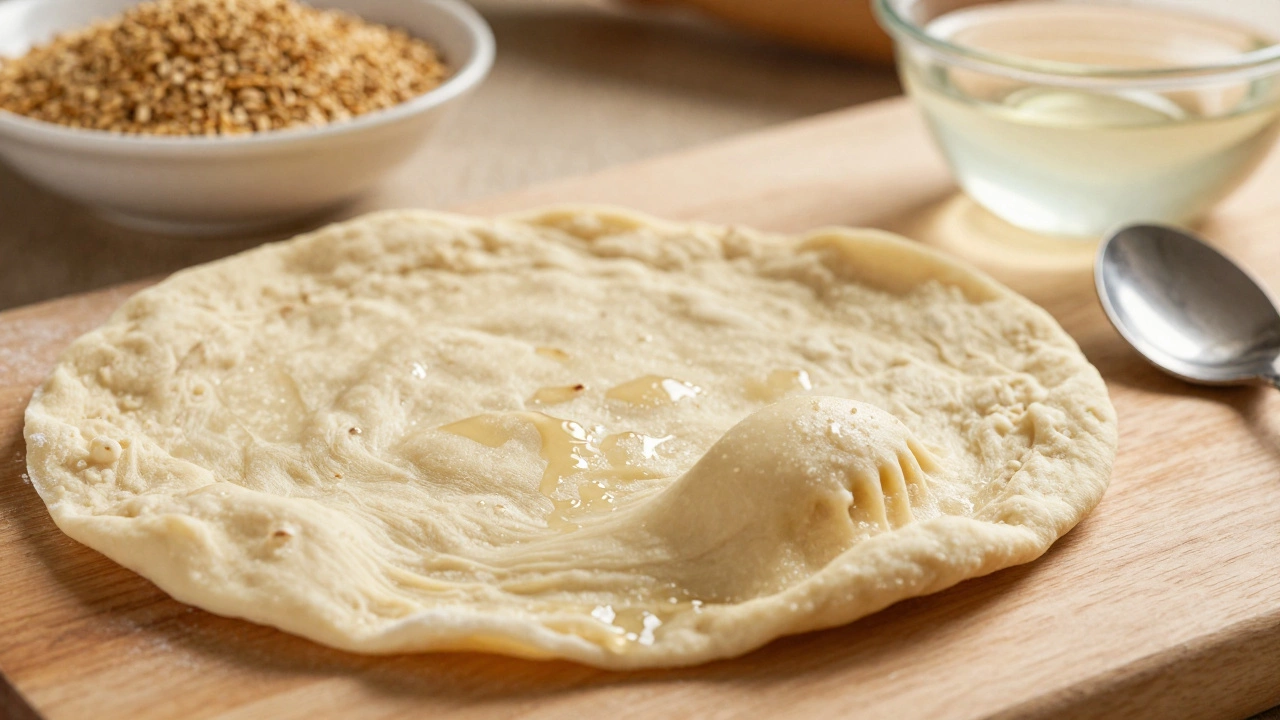
Why Isn't My Roti Puffing? 7 Common Mistakes and How to Fix Them
Learn why your roti isn't puffing and how to fix it with simple, proven steps. From dough hydration to tawa temperature, these 7 fixes will give you perfectly puffed roti every time.
Read More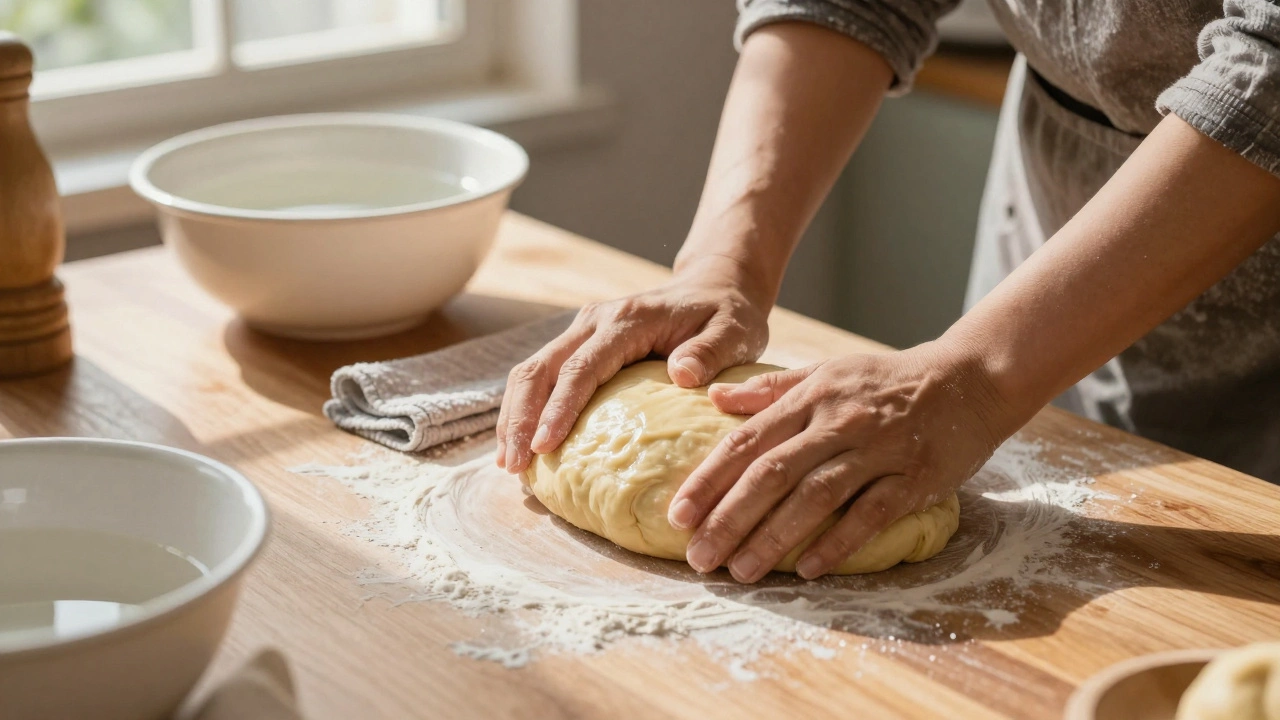
What Is the Secret to Making Soft Chapatis? The Simple Truth Behind Fluffy Rotis
The secret to soft chapatis isn't one trick - it's five simple steps: use fresh atta, hot water, long kneading, proper rolling, and finish with a flame puff. Get these right, and your rotis will stay soft for hours.
Read More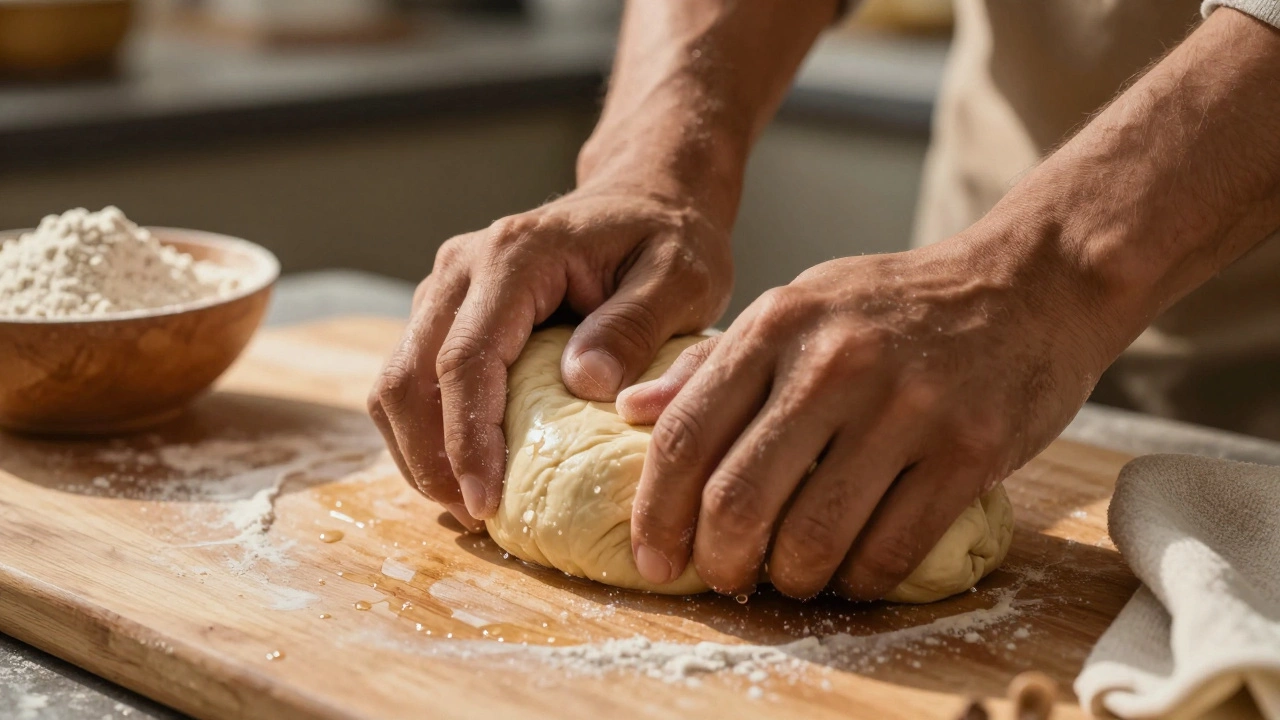
What Is the Secret to Fluffy Roti? The Simple Science Behind Perfectly Soft Indian Bread
Learn the real secrets behind making fluffy, soft roti every time-no magic, just the right flour, water temperature, kneading, and flame technique. Perfect for beginners and home cooks.
Read More
Best Time to Add Oil to Roti Dough: Tips for Softer Flatbreads
Discover the secret behind soft, delicious rotis by learning exactly when to add oil to roti dough. Get professional tips and science-backed facts for the perfect texture.
Read More
How to Make Soft Roti: Secrets for Fluffy, Perfect Indian Flatbread
Discover the real trick behind melt-in-your-mouth soft roti. Learn recipes, kneading secrets, cooking hacks, and must-know tips for pillowy Indian flatbreads.
Read More
Naan vs Roti: What's the Real Difference?
Wondering whether to make naan or roti tonight? This article breaks down everything you need to know about the two classic Indian breads. You'll find out what sets them apart—from ingredients to cooking styles—and get a few handy tips for making both at home. We'll even squash a few common myths about roti and naan. Stick around and take your homemade bread game to the next level.
Read More
Baking Soda in Roti Dough: Secrets to Soft, Fluffy Bread
Ever wondered if baking soda could be the secret ingredient for making soft and fluffy roti? This article explores how baking soda affects roti dough, offering insights into the chemistry behind the transformation. Learn about the appropriate quantities, benefits, and potential drawbacks of using baking soda in your roti-making process. With tips and tricks tailored to enhance texture, discover how to elevate your homemade flatbreads.
Read More