Instant Dosa Batter Calculator & Guide
- Enter servings and click calculate to see the recipe.
Cooking Tips for Unfermented Batter
You’re craving a crispy dosa for breakfast, but you forgot to soak the rice and lentils last night. It’s 7:00 AM, your stomach is growling, and traditional wisdom says you need eight hours of fermentation just to get that signature tangy flavor and airy texture. Do you skip it? Absolutely not. You can make delicious dosas without waiting for yeast to do its slow work.
The short answer is yes, you can use dosa batter without fermentation. But let’s be real-it won’t taste exactly like the overnight-fermented version unless you tweak the chemistry. Unfermented batter lacks the natural carbonation and lactic acid produced by wild yeasts and bacteria. This means your dosa might turn out denser, less crisp, and blander if you just pour raw ground batter onto a hot pan. However, with a few smart substitutions and techniques, you can bypass the wait time entirely while keeping the experience satisfying.
Why Fermentation Matters (And What Happens When You Skip It)
Fermentation isn’t just a ritual; it’s science. When you soak rice and urad dal and let them sit in a warm spot, microbes consume sugars and produce carbon dioxide and organic acids. The gas creates bubbles, making the batter light and fluffy. The acids give the dosa its slight sourness, which balances the blandness of the rice. Without this process, you’re left with a paste that behaves more like a thick pancake mix than a dynamic cooking medium.
If you try to cook standard unfermented batter as-is, you’ll likely end up with a rubbery, pale disc that sticks to the pan. It lacks the structural integrity to spread thin and crisp up properly. So, how do we fix this? We cheat. We introduce artificial leavening agents and acidity sources to mimic what nature does over twelve hours.
The "Instant" Dosa Batter Recipe
To achieve a result close to fermented batter, you need three key components: a base flour, a leavening agent, and an acidic element. Here is a reliable formula for two servings that takes about 15 minutes from grind to plate.
- Base: 1 cup Idli/Dosa Rava (semolina) or finely ground rice flour. If you have whole rice, soak it for 30 minutes minimum before grinding to ensure smoothness.
- Protein/Binding: ¼ cup Urad Dal flour (or soaked urad dal ground into a paste).
- Leavening: ½ teaspoon baking soda (sodium bicarbonate) or Eno fruit salt.
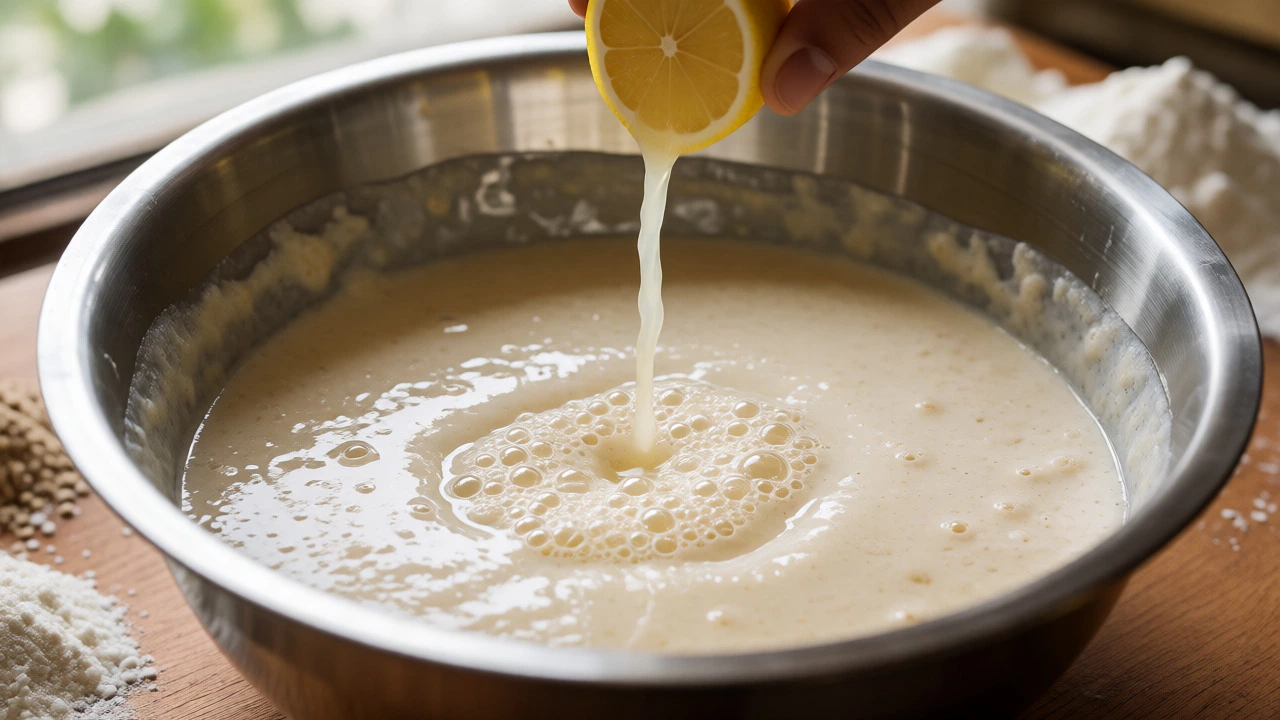
- Acidity: 1 tablespoon lemon juice, vinegar, or curd (yogurt). This activates the baking soda.
- Liquid: Water as needed to reach pouring consistency.
- Flavor: Salt to taste, plus optional fenugreek seeds (methi) for aroma.
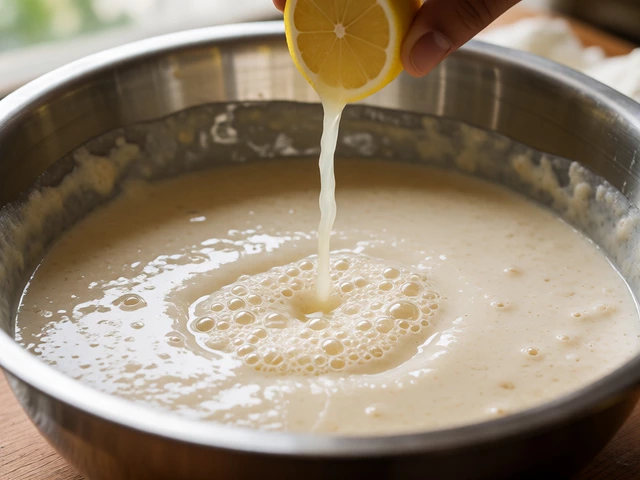
Mix the dry ingredients first. Add water gradually to create a batter slightly thicker than milk but thinner than cake batter. Let it rest for 10 minutes. Just before cooking, stir in the baking soda and lemon juice. You should see immediate fizzing-that’s your CO2 substitute working its magic.
Cooking Techniques for Non-Fermented Batter
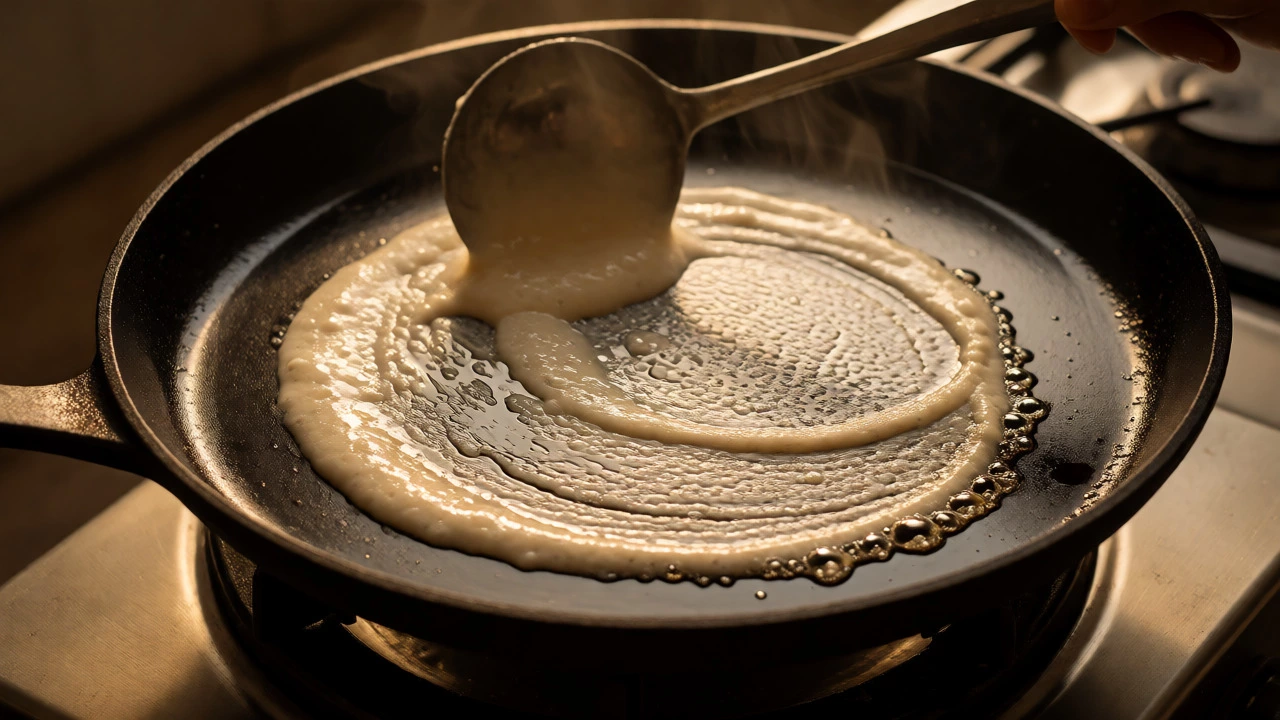
Because unfermented batter doesn’t hold air bubbles well, your spreading technique needs adjustment. Don’t expect the batter to self-spread across the tawa (griddle) like fermented versions do. You will need to help it along.
- Heat Management: Preheat your non-stick pan or cast iron tawa on medium-high heat. Sprinkle a few drops of water; if they sizzle and evaporate instantly, it’s ready.
- Oil Application: Unlike fermented batter, which releases its own oils during cooking, unfermented batter benefits from a generous smear of oil or ghee on the surface before pouring. This prevents sticking and aids browning.
- The Spread: Pour a ladleful in the center. Immediately start spiraling outward with the back of the ladle. Apply gentle pressure. If it resists spreading, add a tiny splash of water around the edges.
- Crisping: Drizzle oil or ghee around the edges and on top. Cook until the bottom turns golden brown. Because there’s no internal structure from gluten development or heavy fermentation, flip carefully only if necessary-many prefer single-sided cooking for instant dosas to maintain moisture.
Comparison: Fermented vs. Instant Batter
Is it worth skipping the wait? That depends on what you value more: authenticity or speed. Here’s a breakdown to help you decide when to pull the trigger on instant dosas.
| Feature | Fermented Batter | Instant (Unfermented) Batter |
|---|---|---|
| Preparation Time | 8-12 hours soaking + grinding | 15-30 minutes |
| Texture | Airy, porous, extremely crisp edges | Denser, softer, uniform crispness |
| Flavor Profile | Tangy, complex, umami-rich | Neutral, mild, relies on chutney/sambar |
| Nutritional Value | Higher bioavailability of nutrients due to probiotics | Standard nutritional profile; easier digestion for some |
| Best For | Weekend brunches, special occasions | Emergency breakfasts, office lunches, travel |
Common Pitfalls and How to Avoid Them
Even with the right recipe, things can go wrong. The most common complaint is that the dosa tears apart. This usually happens because the batter is too thin or the pan wasn’t hot enough. If the pan cools down after placing the batter, the starch doesn’t gelatinize quickly enough to form a skin, leading to breakage.
Another issue is bitterness. Overusing baking soda can leave a metallic aftertaste. Stick to the rule of thumb: never exceed ½ teaspoon per cup of flour. If you use Eno fruit salt, dissolve it completely in a spoonful of water before adding it to the batter to prevent white specks.
Also, don’t neglect the resting period. Even though you aren’t fermenting, letting the mixed batter sit for 10-15 minutes allows the semolina or rice flour to absorb water fully. This reduces graininess and improves the final mouthfeel.
Variations to Spice Up Your Instant Dosas
Since the base flavor is neutral, instant dosas are excellent canvases for strong flavors. Try these tweaks:
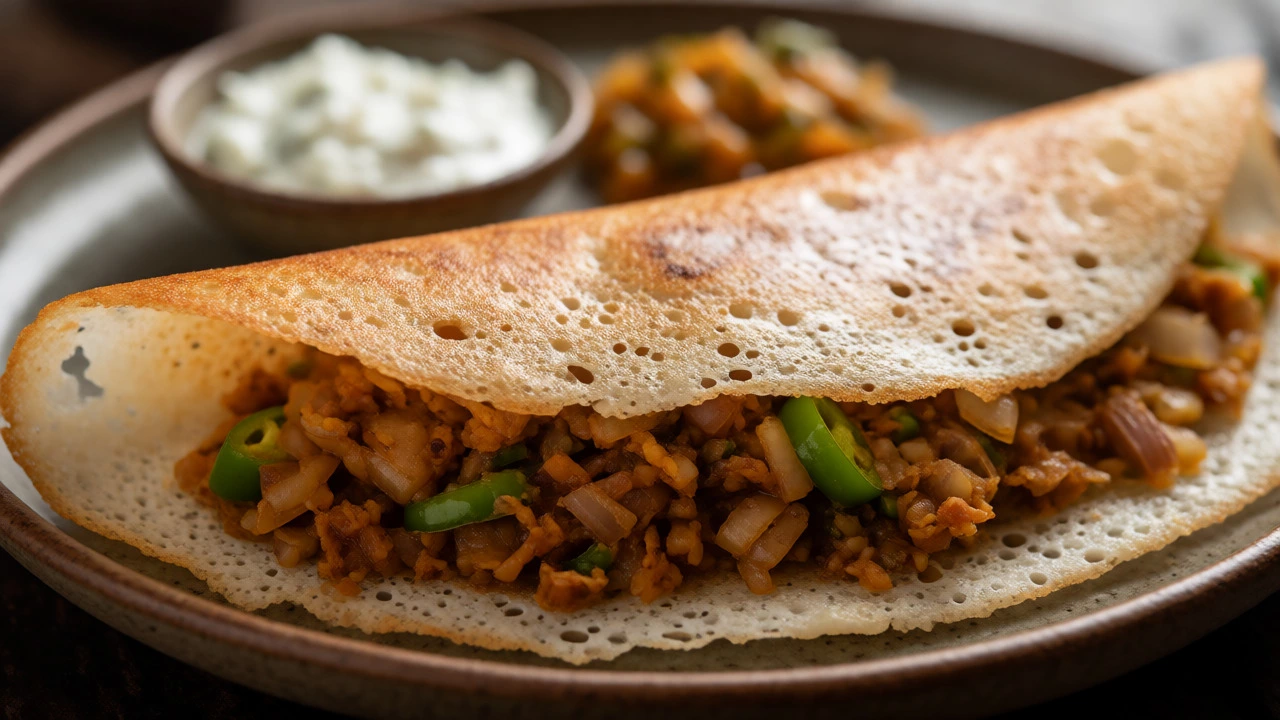
- Onion Masala Dosa: Mix chopped onions, green chilies, and curry leaves directly into the batter. The moisture from the onions helps keep the dense batter pliable.
- Ragi Instant Dosa: Substitute half the rice flour with finger millet (ragi) flour. It adds earthiness and fiber, compensating for the lack of fermentation depth.
- Buttermilk Twist: Replace water with buttermilk. The natural acidity tenderizes the batter and adds a subtle tang without needing extra lemon juice.
While nothing beats the soul-warming comfort of a properly fermented dosa paired with coconut chutney, the instant version saves your morning routine. It proves that culinary perfection often requires compromise, but rarely demands sacrifice of enjoyment.
Does unfermented dosa batter need baking powder?
Yes, if you want a fluffy texture. Baking powder or baking soda acts as a chemical leavening agent, replacing the carbon dioxide normally produced by yeast during fermentation. Without it, the dosa will be flat and dense like a crepe.
Can I store unfermented dosa batter in the fridge?
You can, but it's not recommended for long periods. Since there is no active fermentation, the batter may separate or spoil faster than fermented batter. It is best used within 24 hours. If stored, stir well and add a pinch of fresh baking soda before using.
Why is my instant dosa sticky?
Stickiness usually indicates insufficient oil on the pan or a batter that is too watery. Ensure your tawa is adequately heated and greased before pouring. If the batter spreads too easily and tears, thicken it with a little more rice flour or semolina.
Is instant dosa healthier than fermented dosa?
Fermented dosas generally offer better gut health benefits due to probiotics created during fermentation. They also have higher vitamin B content. Instant dosas are still healthy if made with whole grains, but they lack the enzymatic breakdown that makes nutrients more bioavailable in fermented versions.
What is the best substitute for urad dal in instant batter?
If you don't have urad dal flour, you can use all-purpose flour (maida) for binding, though it changes the taste significantly. Besan (chickpea flour) is another option that adds protein and a nutty flavor, but it results in a heavier, less crisp dosa.