Biryani Dairy Calculator & Visualizer
Perfect Biryani Balance Tool
Recommended Amount:
--Enter details and click calculate.
You’ve probably seen it before. A recipe calls for a splash of milk or cream right at the end of cooking Biryani is a mixed rice dish originating from the Indian subcontinent that combines spiced meat or vegetables with basmati rice and aromatic herbs. It is known for its complex layering technique called 'dum' where ingredients are sealed and slow-cooked., and you pause. Why milk? Isn’t biryani supposed to be savory, spicy, and rich with yogurt marinades? Adding dairy like milk seems counterintuitive when you’re already using heavy cream or ghee. But this small addition changes everything about the texture, color, and aroma of your final dish. Let’s break down exactly why chefs swear by this trick and how you can use it to upgrade your home cooking.
The Science Behind Dairy in Spiced Rice
Milk might seem out of place in a savory dish, but it serves three critical functions in biryani: balancing acidity, enhancing aroma, and improving texture. When you marinate chicken or mutton for biryani, you typically use Yogurt is a fermented dairy product used extensively in Indian cuisine as a tenderizer and flavor base for marinades.. Yogurt contains lactic acid, which helps break down proteins in the meat, making it tender. However, too much acid can make the final dish taste sharp or sour, especially if you cook it on high heat for too long. A splash of full-fat milk neutralizes some of that acidity without diluting the flavors.
Think of it like balancing a scale. If your yogurt marinade is very tangy, the milk acts as a buffer. It doesn’t make the biryani taste like dessert; instead, it rounds off the edges of the spice profile. This creates a smoother, more harmonious flavor where the heat from chilies and the earthiness of spices like cardamom and cloves come through clearly, rather than fighting against a sour background note.
Additionally, milk contains fats and proteins that interact with the starches in Basmati Rice is a long-grain aromatic rice variety native to India and Pakistan, prized for its elongated grains and floral fragrance when cooked.. As the rice absorbs the liquid during the dum process, the milk helps coat the grains, giving them a slight sheen and preventing them from sticking together as aggressively as they might with water alone. This results in those distinct, separate grains we all look for in a perfect plate of biryani.
Regional Variations: Where Does the Milk Come From?
Not all biryanis are created equal. The reason you put milk in biryani often depends on which regional style you are attempting to replicate. In Hyderabad-style biryani, for instance, the focus is on bold, fiery flavors with less emphasis on creaminess. Here, you might skip the milk entirely or use only a tablespoon of cream for garnish. The richness comes from the meat fat and ghee.
However, in Lucknowi (Awadhi) biryani, the approach is different. Awadhi cuisine is known for its subtlety and refinement. Chefs in Lucknow traditionally use reduced milk, known as Rabri is thickened milk obtained by simmering full-fat milk until it reduces significantly, resulting in a rich, creamy consistency used in North Indian sweets and savory dishes., to add depth. Rabri has a concentrated flavor and a thick texture that clings to the rice grains. Even if you don’t have time to reduce milk yourself, adding regular full-fat milk achieves a similar effect by introducing moisture and fat that carry the volatile oils from your spices better than water does.
In Kolkata biryani, influenced by Mughlai traditions, the use of potatoes and subtle sweetness is common. Milk here helps balance the sweetness of caramelized onions and the saltiness of the broth. It bridges the gap between these contrasting flavors, ensuring no single element overpowers the others.
| Region | Dairy Type Used | Purpose | Flavor Profile Impact |
|---|---|---|---|
| Hyderabad | Minimal/None | Focus on meat juices | Bold, spicy, dry |
| Lucknow (Awadhi) | Rabri or Full-Fat Milk | Add creaminess and aroma | Subtle, fragrant, moist |
| Kolkata | Splash of Milk/Cream | Balance sweetness | Sweet-savory balance |
| Dindigul | No Dairy | Use of tamarind/yogurt | Tangy, spicy, rustic |
How Much Milk Should You Actually Use?
This is where most home cooks go wrong. They see “milk” in a recipe and pour in half a cup, turning their biryani into a porridge. The key is moderation. You are not making risotto; you are adding a finishing touch. For a standard pot serving four people, start with just two to three tablespoons of full-fat milk. If you want extra richness, you can increase this to a quarter cup, but never exceed that unless you adjust the amount of water accordingly.
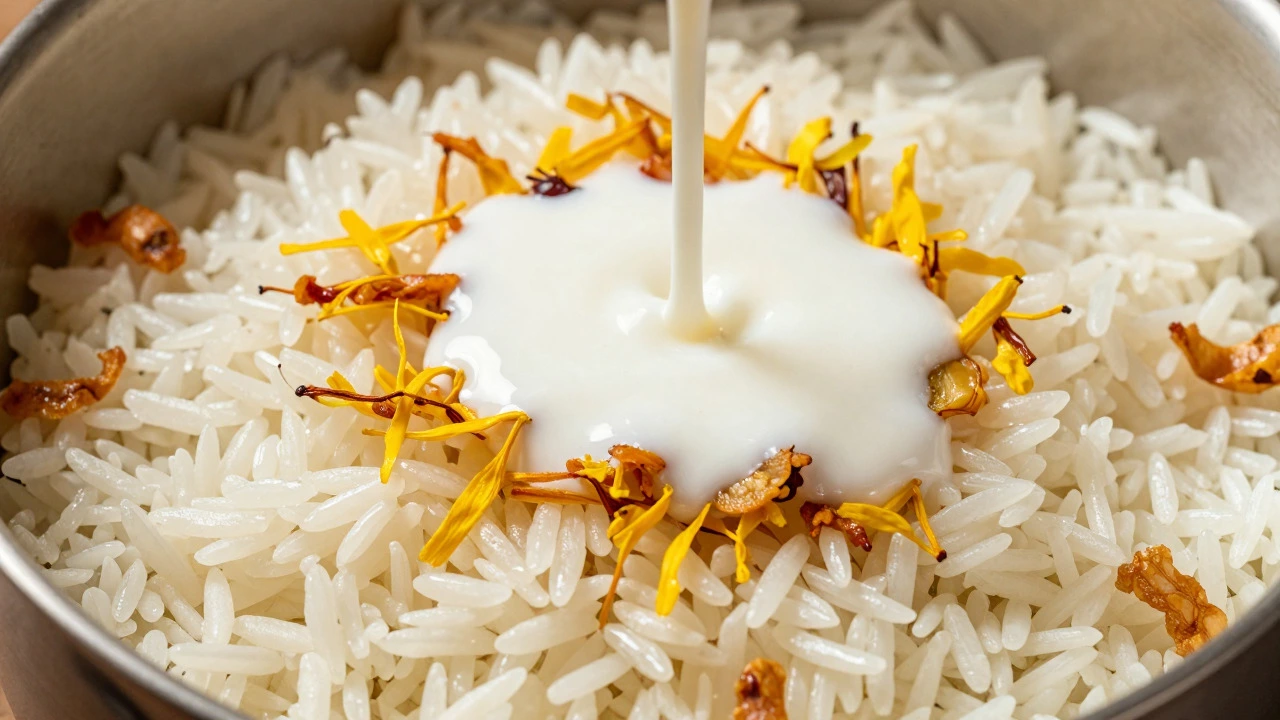
The timing matters just as much as the quantity. Never add milk at the beginning of the cooking process. If you boil rice in milk from the start, the proteins can curdle due to the high heat and acidity of the tomatoes or yogurt in the masala. Instead, add the milk during the final stages of the dum process. Once your rice is partially cooked and layered with the meat, drizzle the milk evenly over the top before sealing the pot. This allows the milk to steam gently with the rice, infusing it with aroma without breaking down.
If you are using low-fat or skim milk, be cautious. Low-fat milk lacks the necessary fat content to carry the flavors effectively and can sometimes result in a watery texture. Always opt for whole milk or even better, heavy cream diluted with a little water if you want a luxurious finish. Some chefs prefer to use evaporated milk because it has a higher concentration of solids and won’t dilute the dish, but fresh full-fat milk works perfectly fine if measured correctly.
Common Mistakes to Avoid When Using Milk
Adding milk to biryani isn’t rocket science, but it requires attention to detail. One common mistake is using cold milk straight from the refrigerator. Cold liquids can shock the hot pot, causing the temperature to drop rapidly and interrupting the gentle steaming process. Let your milk sit at room temperature for ten minutes before adding it, or warm it slightly on the stove.
Another pitfall is forgetting to account for the liquid content of other ingredients. If your meat marinade is very runny or you’ve added a lot of tomato puree, you might need less milk. Conversely, if you’re making a vegetable biryani with drier ingredients like cauliflower or paneer, you might benefit from the extra moisture milk provides. Always taste your masala before starting. If it tastes too acidic, milk will help. If it tastes balanced, you might skip it altogether.
Also, avoid stirring the milk into the rice vigorously. Drizzle it gently over the layers. Stirring breaks the grains and releases excess starch, leading to mushy biryani. The goal is to let the milk seep down through the layers naturally as it heats up, creating pockets of creamy flavor throughout the dish rather than a uniform slurry.
Alternatives to Milk for Non-Dairy Diets
What if you are lactose intolerant or following a vegan diet? You can still achieve the same effects without dairy. Coconut milk is an excellent substitute, particularly in South Indian variations of biryani. It adds a similar creaminess and richness, though it will impart a slight coconut flavor that pairs well with certain spice blends. Use unsweetened coconut milk to keep the dish savory.
For a neutral alternative, almond milk or oat milk can work, but they lack the fat content needed to truly mimic the mouthfeel of dairy. To compensate, add a teaspoon of ghee or oil along with the plant-based milk. This helps carry the aromatics and provides the lubrication needed for the rice grains to stay separate. Remember, the primary role of milk is texture and aroma enhancement, so any liquid that provides viscosity and fat can serve as a functional replacement.
Pro Tips for the Perfect Finish
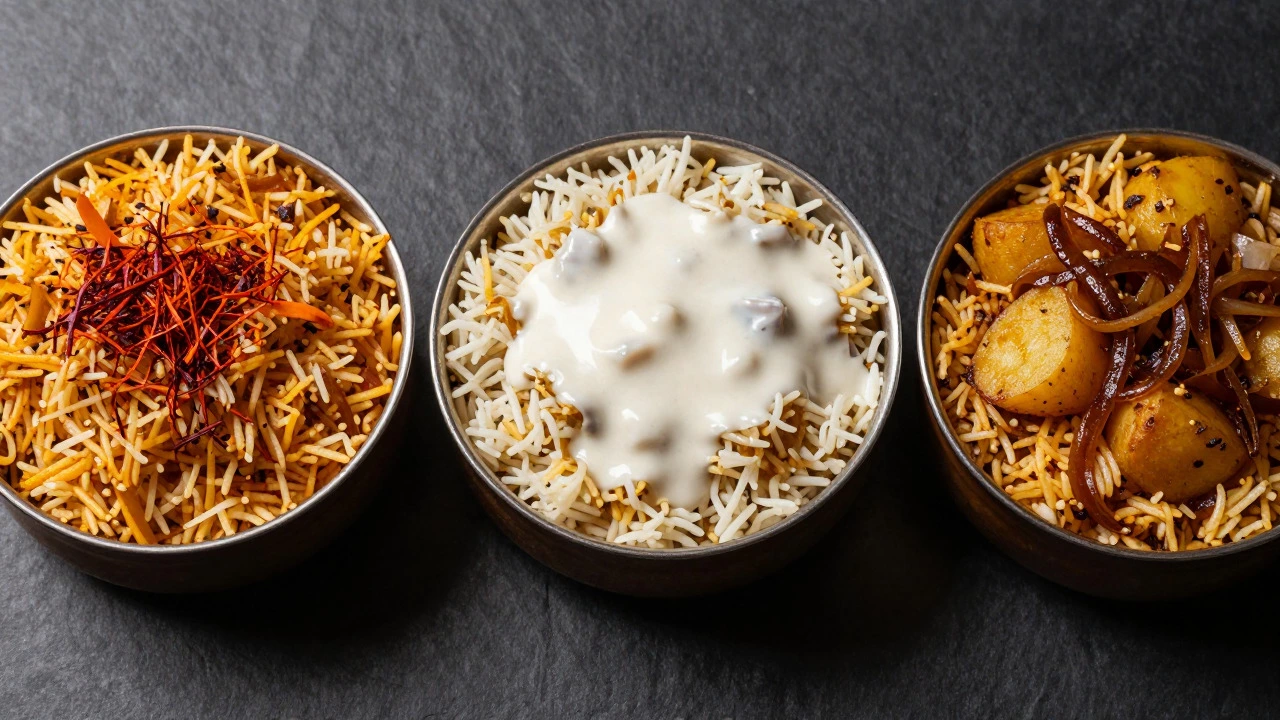
To get the best results, consider mixing your milk with a few drops of saffron infused in warm water. Saffron and milk are a classic pairing in Indian desserts, and this combination brings a beautiful golden hue and a delicate floral note to your biryani. Add this mixture to the top layer of rice before sealing the pot. The steam will lift the saffron aroma throughout the dish, creating a multi-sensory experience.
Another pro tip is to use fried onions (birista) along with the milk. The crispy onions add texture contrast, while the milk softens them slightly, integrating them into the rice. This combination is a hallmark of restaurant-quality biryani. Finally, always let your biryani rest for at least ten minutes after cooking. This resting period allows the milk-infused steam to settle and the flavors to meld completely. Rushing this step means missing out on the full potential of your efforts.
Does milk make biryani sweet?
No, using a small amount of full-fat milk does not make biryani taste sweet. The natural sugars in milk are minimal compared to the strong spices, salt, and savory elements in the dish. Instead, milk adds creaminess and balances acidity, enhancing the overall savory profile without altering the fundamental taste direction.
Can I use cream instead of milk?
Yes, you can use heavy cream, but use it sparingly. Cream is much richer than milk, so a tablespoon of cream equals roughly three tablespoons of milk. Diluting cream with a little water can help achieve the desired consistency without making the dish overly greasy. Many professional chefs prefer cream for a more luxurious finish.
When exactly should I add the milk?
Add the milk during the final layering stage, just before sealing the pot for the dum process. Drizzle it evenly over the partially cooked rice and meat layers. Adding it too early can cause curdling or evaporation, while adding it at the end ensures it steams gently into the grains, providing aroma and moisture.
Is milk essential for authentic biryani?
Milk is not strictly essential for all styles of biryani. Traditional Hyderabad biryani often omits it, relying on meat juices and ghee for richness. However, in Awadhi and some Mughlai styles, milk or rabri is a traditional ingredient used to enhance aroma and texture. It is a technique rather than a requirement, depending on the regional variation you are preparing.
Why do my rice grains stick together even with milk?
Sticky rice is usually caused by excessive starch release, not the absence of milk. Ensure you rinse your basmati rice thoroughly until the water runs clear before cooking. Also, avoid stirring the pot during the dum process. Milk helps coat the grains, but proper rinsing and gentle handling are the primary factors in achieving separate, fluffy grains.