Chutney Vinegar Selector
Find the perfect vinegar for your homemade chutney based on flavor profile and preservation needs.
Best For:
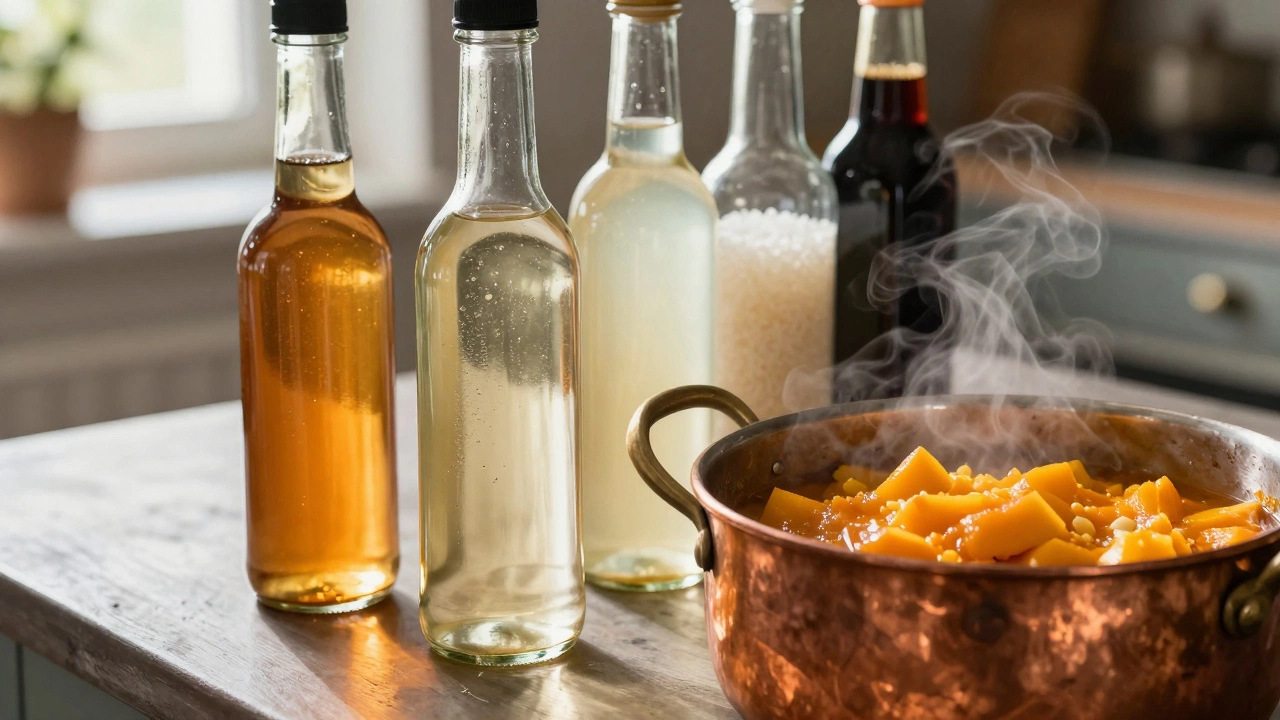
There is a specific moment in every kitchen where a batch of homemade chutney goes wrong. It tastes flat. It lacks that bright, sharp kick that makes you want to reach for another spoonful. More often than not, the culprit isn't the sugar or the spices-it’s the vinegar. Choosing the right acid is the difference between a jar of jammy fruit mash and a vibrant, shelf-stable condiment that pairs perfectly with cheese, meat, or curries.
Vinegar does two jobs in chutney. First, it provides the tangy counterpoint to sweet fruits and savory aromatics. Second, and more critically, it acts as a preservative. The acidity lowers the pH of the mixture, creating an environment where harmful bacteria cannot survive. If you get the type or amount wrong, your chutney might spoil before you even open the jar.
The Gold Standard: Apple Cider Vinegar
If you are making a traditional British-style fruit chutney-think mango, onion, or beetroot-apple cider vinegar is almost always the correct choice. Unlike white distilled vinegar, which has a harsh, medicinal bite, apple cider vinegar offers a fruity complexity that complements the natural sugars in the ingredients.
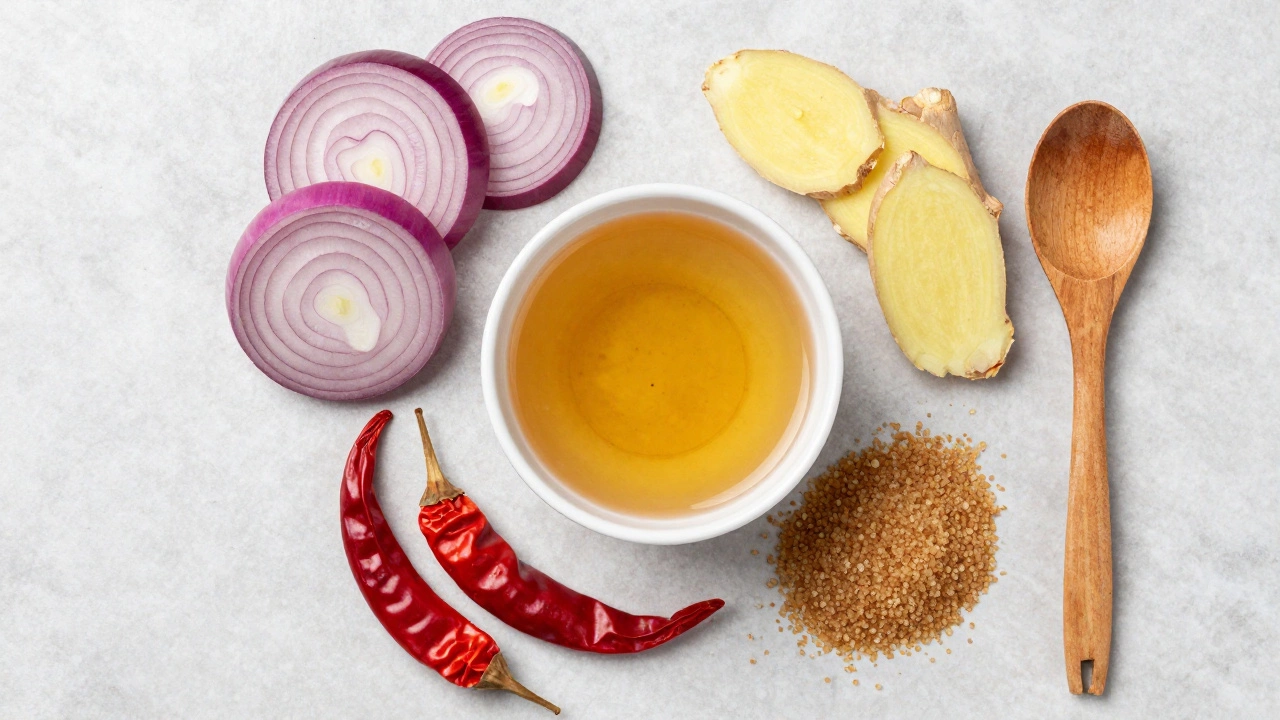
When you cook down apples or mangoes with brown sugar and ginger, the vinegar doesn’t just sit on top; it weaves into the texture. It softens the fruit fibers while maintaining structural integrity. For a classic recipe, aim for a ratio of one cup of vinegar to four cups of chopped fruit and vegetables. This ensures the final product has enough pectin structure and acidity to set properly in jars.
When to Use White Distilled Vinegar
White distilled vinegar gets a bad reputation because it tastes like pure acid. However, it has a very specific place in chutney making. You should use it when you want the vinegar itself to be invisible. This is particularly useful for savory chutneys where the primary flavors are garlic, chili, or herbs rather than fruit.
Consider a quick tomato and basil chutney or a spicy green chili relish. Here, the fruity notes of apple cider vinegar might clash with the earthiness of the tomatoes or the heat of the peppers. White distilled vinegar, usually at 5% acidity, provides the necessary preservation power without adding any competing flavor. It keeps the color bright too. Acid prevents oxidation, so your red chutney stays vividly red instead of turning a dull brown over time.
Rice Vinegar for Asian-Inspired Profiles
If your chutney leans towards Southeast Asian flavors-using ingredients like lemongrass, galangal, kaffir lime leaves, or fresh ginger-switch to rice vinegar. Rice vinegar is milder and slightly sweeter than both apple cider and distilled varieties. It has a clean finish that doesn't linger on the palate.
Use seasoned rice vinegar if your recipe already contains significant sugar, but opt for unseasoned rice vinegar if you are controlling the sugar content yourself. The lower acidity (often around 4%) means you may need to use slightly more volume compared to other vinegars, but the result is a smoother, more integrated sauce. This works exceptionally well with mango or pineapple chutneys intended to accompany duck or pork dishes.
Balsamic and Red Wine Vinegar: The Gourmet Options
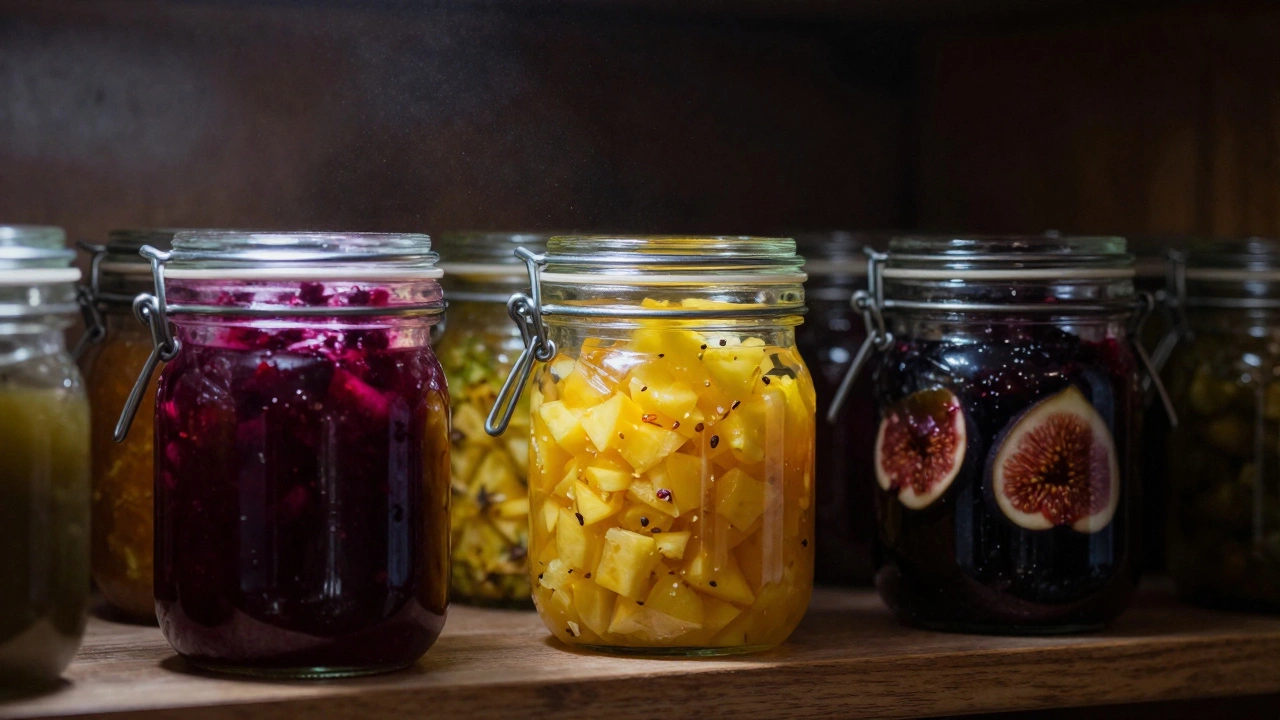
For small-batch, immediate-use chutneys, balsamic vinegar can add a luxurious depth. Because aged balsamic is thick and intensely sweet-tart, it reduces the need for added sugar. A fig and balsamic chutney is a classic pairing for goat cheese boards. However, avoid using balsamic for long-term storage unless you are also adding a high-acid component like lemon juice, as its natural pH can sometimes vary.
Red wine vinegar brings a robust, tannic quality similar to apple cider vinegar but with a darker, richer note. It pairs beautifully with hearty ingredients like onions, beets, or plums. If you are making a chutney to serve with roasted lamb or beef, red wine vinegar will bridge the gap between the condiment and the main dish better than lighter options.
Understanding Acidity Levels for Safety
Safety is non-negotiable in preserving. To prevent botulism and other bacterial growth, your finished chutney must have a pH below 4.6. Most commercial vinegars range from 4% to 7% acetic acid. Always check the label. If you are substituting one vinegar for another, ensure the acidity percentage is similar. Do not dilute strong vinegar with water to save money, as this compromises the preservative effect.
| Vinegar Type | Acidity Level | Flavor Profile | Best For |
|---|---|---|---|
| Apple Cider | 4-6% | Fruity, Mild | Mango, Onion, Beetroot |
| White Distilled | 5-7% | Sharp, Neutral | Tomato, Chili, Herb |
| Rice | 4-5% | Light, Sweet | Pineapple, Lemongrass |
| Red Wine | 5-6% | Robust, Tannic | Plum, Fig, Lamb accompaniments |
Common Mistakes to Avoid
One frequent error is reducing the vinegar quantity to make the chutney less sour. While it might taste better immediately, it becomes unsafe for room-temperature storage. If you prefer a milder taste, increase the sugar or fruit content instead of cutting back on the acid. Another mistake is using flavored vinegars, such as raspberry or lavender-infused varieties. These often contain added sugars or oils that can interfere with the setting process and introduce instability during storage. Stick to plain, high-quality vinegars for consistent results.
Storage and Shelf Life
Once your chutney is cooked and bottled, the vinegar continues to work. Properly sealed jars stored in a cool, dark pantry can last up to six months. Once opened, move the jar to the refrigerator. The cold slows down enzymatic reactions, keeping the flavor bright for another month or two. Always use a clean, dry spoon to scoop out portions to prevent contamination.
Can I use lemon juice instead of vinegar for chutney?
You can use lemon juice for fresh, refrigerated chutneys that will be consumed within a week. However, for shelf-stable preserved chutneys, vinegar is essential. Lemon juice lacks the consistent acetic acid concentration needed to safely preserve food at room temperature for extended periods.
Does the color of the vinegar matter?
Yes, especially for light-colored fruits. Using dark balsamic or red wine vinegar will turn your strawberry or peach chutney a muddy brown. For pale fruits, stick to clear white distilled vinegar or light apple cider vinegar to maintain an appealing visual presentation.
How much vinegar should I use per pound of fruit?
A general rule of thumb is about half a cup to three-quarters of a cup of vinegar per pound of fruit. Adjust based on the natural tartness of the fruit. Very sweet fruits like peaches may need more vinegar, while tart fruits like cranberries may require less.
Is organic vinegar better for chutney?
Organic vinegar often has a cleaner taste because it avoids synthetic pesticides in the source ingredients. For apple cider vinegar, look for "with the mother" varieties if you want maximum nutritional benefits, though standard filtered vinegar works perfectly fine for preservation purposes.
Why does my chutney taste too vinegary?
If your chutney is too sharp, it likely needs more cooking time to allow the harsh alcohol notes to evaporate, or it needs more sugar to balance the acid. Never add water to dilute it, as this ruins the preservation ratio. Instead, simmer it longer and adjust sweetness gradually.