Tandoori Mayo Customizer
Adjust the sliders to customize your tandoori mayonnaise. This tool helps you balance the smoky, spicy, and creamy elements according to the article's best practices.
Your Custom Tandoori Mayo
Click "Generate Recipe" to see ingredients.
Pairing Suggestion
Grilled chicken or roasted cauliflower work best with medium heat.
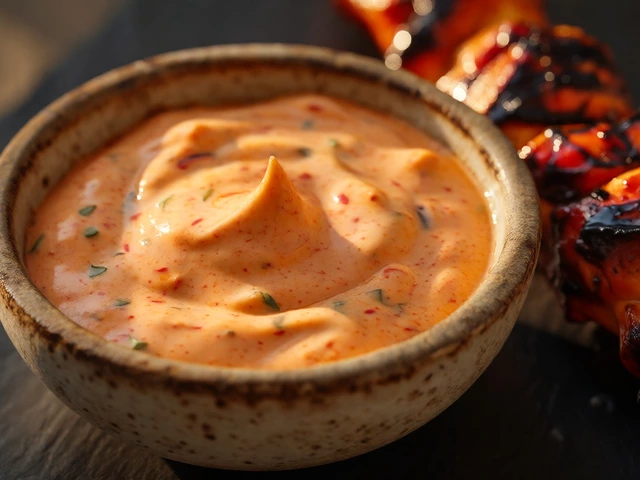
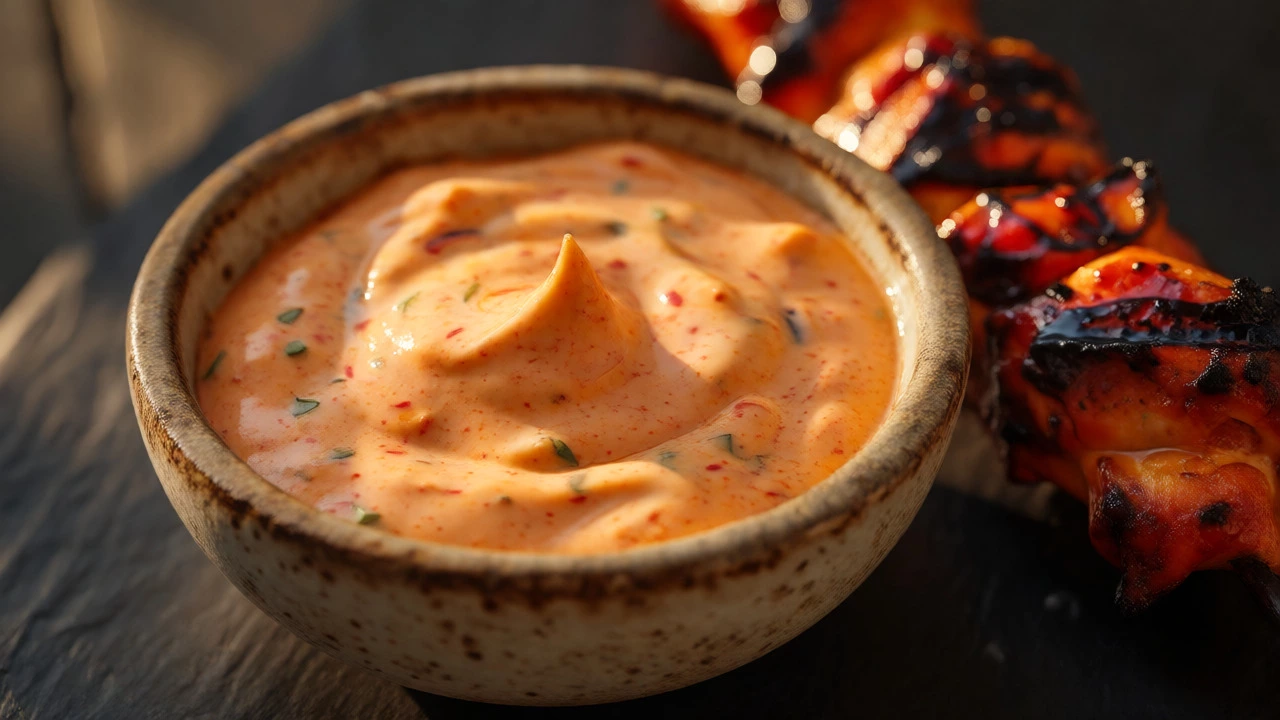
You’ve probably seen it on menus at Indian restaurants in London or Brighton: a creamy, orange-pink dip served alongside tandoori chicken or grilled paneer. It looks like regular mayo, but one bite reveals a smoky, spicy kick that standard mayonnaise just doesn’t have. This is tandoori mayonnaise, a fusion condiment that blends the rich, fatty base of Western mayonnaise with the charred, aromatic profile of North Indian tandoor cooking.
If you’re wondering whether this is just a gimmick or a legit flavor booster, let’s break it down. It’s not just mayo with paprika thrown in. Real tandoori mayo captures the essence of clay oven cooking-the smoke, the heat, and the specific spice blend-without requiring a tandoor oven in your kitchen. Whether you want to elevate your home-cooked kebabs or add depth to a sandwich, understanding what goes into this sauce changes how you use it.
The Core Components of Tandoori Mayonnaise
To understand what makes this sauce distinct, you need to look at its two main halves. On one side, you have the emulsion: eggs, oil, and acid (usually lemon juice or vinegar). On the other, you have the flavor driver: a modified version of tandoori masala.
Standard mayonnaise is neutral. It carries flavor but doesn’t assert itself. Tandoori mayo asserts itself loudly. The key difference lies in the inclusion of ingredients that mimic the Maillard reaction and smoke infusion typical of tandoor cooking. Since most home cooks don’t have a clay oven reaching 480°C (900°F), we rely on specific spices to fake that experience.
The primary entities involved in creating this condiment are:
- Tandoori Masala: A spice mix typically containing coriander, cumin, fenugreek, garlic, ginger, and red chili powder.
- Kashmiri Chili Powder: Used for vibrant color without overwhelming heat.
- Smoked Paprika or Liquid Smoke: To replicate the charcoal flavor.
- Garam Masala: Often added at the end for warmth.
- Yogurt or Cream: Sometimes mixed in to lighten the texture and add tanginess.
When these elements hit the creamy base, they create a complex profile: savory, slightly sweet from caramelized onions often included in the paste, spicy, and distinctly smoky.
Why Regular Mayo Doesn’t Cut It
You might ask, "Can’t I just stir curry powder into Hellmann’s?" Technically, yes. But you’ll miss the nuance. Curry powder is a British adaptation of Indian spices, often heavy on turmeric and mild on heat. Tandoori masala is different. It’s designed to withstand high heat and cling to meat. It has a higher ratio of earthy spices like cumin and coriander seeds, which provide depth rather than just surface-level spice.
Furthermore, the texture matters. Tandoori dishes are often basted with butter or ghee during cooking. Adding a touch of melted ghee or yogurt to your mayo emulsion replicates that richness. Plain vegetable oil mayo feels thin against the bold flavors of grilled meats. You need a carrier that can stand up to the intensity of the spices.
| Feature | Standard Mayonnaise | Tandoori Mayonnaise |
|---|---|---|
| Base Flavor | Neutral, acidic, fatty | Spicy, smoky, earthy |
| Color | Pale yellow or white | Orange-red or deep pink |
| Primary Spices | None or black pepper | Cumin, coriander, Kashmiri chili, garlic |
| Best Pairing | Fried fish, burgers, salads | Tandoori chicken, seekh kebab, naan, grilled veggies |
| Shelf Life | 2-3 months (commercial) | 1 week (homemade due to fresh ingredients) |
How to Make Authentic Tandoori Mayo at Home
Making this sauce takes about ten minutes if you already have mayo. If you’re starting from scratch, it’s still simple. Here’s the method I use when hosting friends over in my Brighton flat. It works every time because it balances the heat with enough fat to coat the palate.
You will need:
- 1 cup good quality mayonnaise (store-bought is fine for convenience)
- 1 tablespoon Kashmiri chili powder (for color)
- 1 teaspoon ground cumin
- 1 teaspoon ground coriander
- 1/2 teaspoon smoked paprika
- 1 clove garlic, grated finely
- 1 teaspoon ginger paste
- 1 tablespoon plain yogurt (Greek style works well for thickness)
- 1 teaspoon lemon juice
- A pinch of salt and sugar
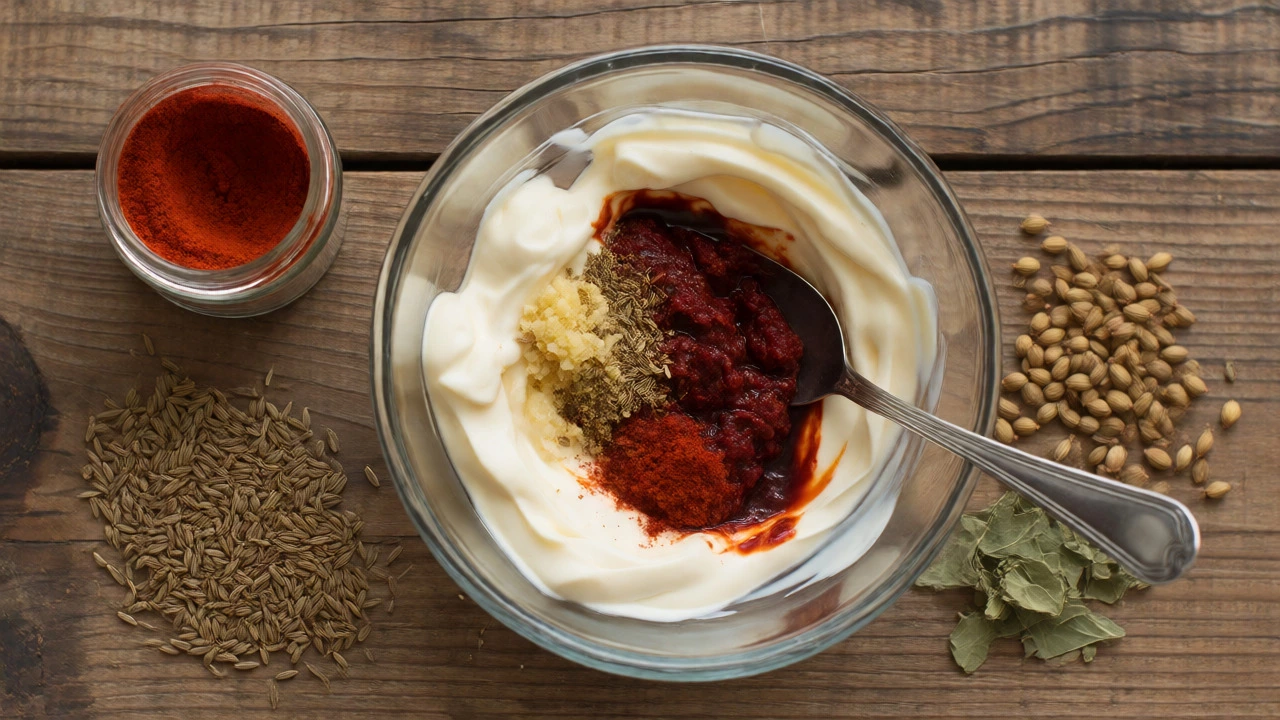
Mix the dry spices with the garlic and ginger first. Let them sit for five minutes so the oils release. Then, fold this paste into the mayonnaise and yogurt mixture. Taste it. Does it need more smoke? Add a drop of liquid smoke. Too sharp? Add a bit more mayo or yogurt. The goal is harmony, not aggression. The sauce should complement the food, not overpower it.
Pairings That Actually Work
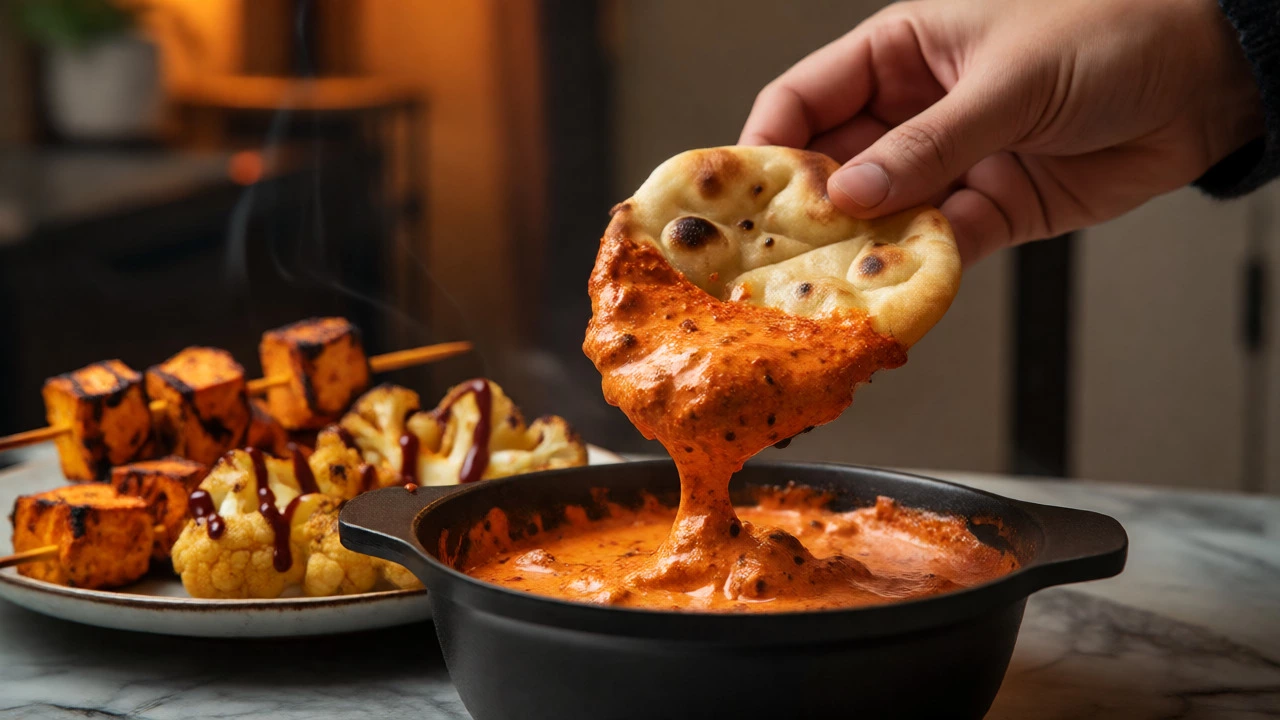
While tandoori mayo was born as a companion to tandoori chicken, its uses extend far beyond that. Because it combines creaminess with spice, it acts as a bridge between disparate flavors.
Try these combinations:
- Grilled Paneer Skewers: The fat in the mayo softens the chewiness of the cheese while the spices highlight its milky notes.
- Roasted Cauliflower: Toss roasted florets in this sauce before serving. It turns a boring side dish into a star.
- Chicken Wraps: Swap out ranch or tzatziki for tandoori mayo in a wrap with shredded lettuce and pickled onions.
- Burger Bun Spread: Use it on a lamb burger instead of ketchup. The smokiness pairs perfectly with charred beef or lamb.
One thing to avoid: using it on delicate seafood like poached shrimp. The strong spices will mask the subtle sweetness of the shellfish. Save it for robust proteins and vegetables.
Common Mistakes When Making Tandoori Mayo
I’ve seen people ruin this sauce by treating it like a salad dressing. They add too much vinegar, making it sour instead of tangy. Or they use cayenne pepper instead of Kashmiri chili, resulting in a sauce that burns your tongue but lacks flavor depth.
Here are three pitfalls to dodge:
- Over-spicing: Start with half the recommended spice amount. You can always add more, but you can’t take it out. Remember, the spices bloom in the fat, intensifying over time.
- Skip the Yogurt: Some recipes call for pure mayo. While easier, adding yogurt cuts the heaviness and adds a probiotic tang that mimics the marinade used on actual tandoori meats.
- Using Old Spice Mixes: Ground spices lose potency quickly. If your cumin smells like dust, buy new ones. Freshly ground spices make a massive difference in aroma.
Also, consider the consistency. If you’re dipping crispy wings, you want it thick. If you’re drizzling it over a bowl of rice, whisk in a splash of water or milk to loosen it up.
Store-Bought vs. Homemade: Is It Worth the Effort?
Let’s be honest. Most store-bought "Indian-style" sauces are loaded with preservatives, artificial colors, and corn syrup. They taste uniformly sweet and lack the genuine smokiness of real tandoori masala.
Making it yourself gives you control. You decide how hot it gets. You choose whether to include garlic (some traditionalists skip raw garlic in cold sauces due to the harsh bite, preferring roasted garlic paste instead). Plus, it costs pennies compared to buying specialty jars.
However, if you’re in a rush, check the ingredient list carefully. Look for "natural smoke flavor" or actual dried herbs rather than just "spices." If it lists hydrogenated oils, put it back. Your health and your taste buds will thank you.
Frequently Asked Questions
Is tandoori mayonnaise gluten-free?
Generally, yes. Mayonnaise is made from eggs and oil, which are naturally gluten-free. However, you must check your spice mix. Some pre-packaged tandoori masalas contain anti-caking agents or fillers that may have trace gluten. Always verify the label on the spice jar if you have celiac disease or severe sensitivity.
How long does homemade tandoori mayo last?
Because it contains fresh garlic, ginger, and sometimes yogurt, homemade tandoori mayo lasts about 5 to 7 days in the refrigerator. Store it in an airtight container. If you omit the fresh aromatics and use only dried spices, it can last up to two weeks, similar to standard commercial mayo.
Can I freeze tandoori mayonnaise?
It is not recommended. Freezing causes the emulsion in mayonnaise to break, leading to a separated, oily, and grainy texture once thawed. The dairy component (if using yogurt) also tends to separate. It’s best to make small batches and consume within a week.
What is the difference between tandoori mayo and raita?
Raita is a yogurt-based condiment, usually cooling and mild, often featuring cucumber or mint. Tandoori mayo is mayonnaise-based, richer, and spicier. Raita is meant to cool down the heat of a meal; tandoori mayo complements the smoky flavors and adds richness. They serve opposite functions on the palate.
Can I use vegan mayonnaise for this recipe?
Absolutely. Vegan mayonnaise, often made from aquafaba or soy, works perfectly as a base. The flavor profile comes from the spices, not the egg yolk. Just ensure your vegan mayo has a neutral flavor so it doesn’t clash with the tandoori spices. Coconut-oil based vegan mayos can sometimes impart a slight coconut taste, which might be desirable or not depending on your preference.