Safe Indian Food: Healthy, Traditional Dishes You Can Trust
When people ask about safe Indian food, traditional Indian meals that are nutritious, hygienically prepared, and free from harmful additives. Also known as healthy Indian cuisine, it’s not just about avoiding street food risks—it’s about choosing dishes built on fresh ingredients, smart cooking, and time-tested practices. Many assume Indian food is heavy or unsafe, but that’s not true. The real secret? It’s in the basics: lentils like dal, a simple, spiced stew made from split legumes, a daily staple across India. Also known as lentil curry, it’s one of the most nutritious, affordable, and safe foods you can eat. Dal is cooked slowly with turmeric and garlic—both natural antimicrobials—and served hot, making it one of the safest meals in Indian kitchens.
Then there’s paneer, a fresh, unaged cheese made by curdling milk with lemon juice or vinegar. Also known as Indian cottage cheese, it’s a protein powerhouse—but only if handled right. Left out too long, it spoils fast. That’s why recipes like the one on 7-day-old paneer matter: they teach you to spot spoilage before it’s too late. Safe paneer is firm, white, and smells clean—not sour or slimy. And when you make it at home using the classic method of separating curds from whey, you control exactly what goes in. Same goes for chutney, a fresh condiment made from herbs, fruits, or spices, often used to add flavor without oil or sugar. Also known as Indian sauce, it’s naturally preserved by vinegar, lime, or salt, making it a safe flavor booster when made fresh.
Indian food doesn’t need fancy ingredients to be safe and healthy. Think of idli and dosa—fermented rice and lentil batters that are naturally probiotic, low in fat, and packed with digestible protein. Or poha and upma, made from flattened rice or semolina, cooked with minimal oil and loaded with veggies. These aren’t diet foods—they’re everyday meals that keep energy steady and stomachs happy. Even sweets like ragi laddus or date halwa use jaggery instead of refined sugar, offering minerals and slower energy release. The real danger isn’t the food itself—it’s how it’s stored, handled, or bought. That’s why guides on street food safety and paneer shelf life are so important. They don’t scare you off Indian food. They help you enjoy it the right way.
What you’ll find below isn’t a list of warnings—it’s a collection of practical, real-world tips from Indian kitchens. Whether you’re wondering if eggs are okay in a Hindu diet, which dal gives you the most protein, or how to avoid curdling coconut milk in curry, every post here answers a real question someone had while cooking or eating safely. No fluff. No guesswork. Just clear, tested advice from people who cook this food every day.
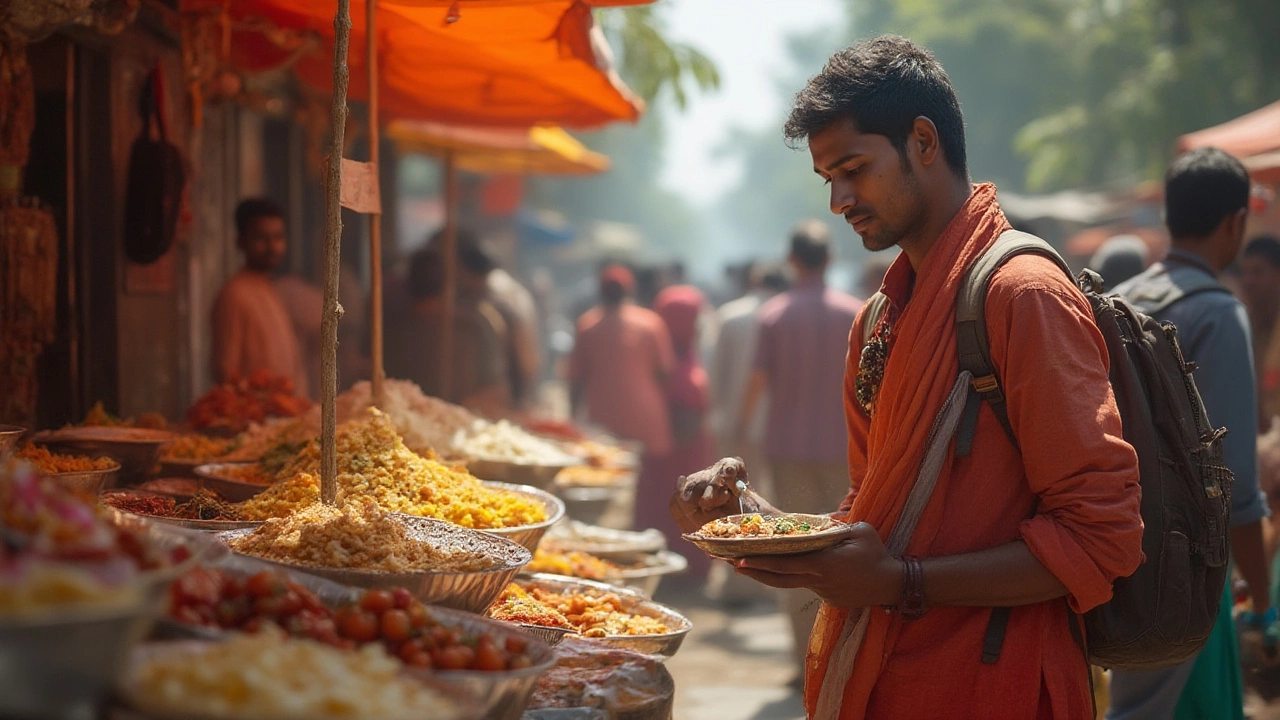
What Not to Eat in India: Essential Food Safety Tips for Travelers
Planning a trip to India? Here’s what you should avoid eating if you want to steer clear of food poisoning, stomach bugs, and unpleasant surprises.
Read More