Rice in Indian Cooking: Types, Uses, and Best Recipes
When you think of Indian food, rice, a staple grain that feeds over a billion people daily across India. Also known as chawal, it’s not just a side—it’s the foundation of meals from breakfast poha to festive biryani. Unlike plain white rice in the West, Indian rice comes in many forms, each with its own texture, aroma, and best use. Basmati rice, a long-grain variety known for its fragrance and fluffy separation after cooking is the gold standard for biryanis and pulao. Then there’s idli rice, a short-grain type fermented with lentils to make soft, spongy steamed cakes, and red rice, a nutty, fiber-rich whole grain common in southern households. Each one behaves differently in the pot, and using the wrong type can ruin a dish.
Getting rice right isn’t just about boiling water. Soaking basmati rice, a simple step that prevents mushiness and boosts aroma can make the difference between good and great biryani. Most recipes skip this, but soaking for 30 minutes lets the grains swell evenly, so they cook to perfect length without sticking. Heat control matters too—rice burns easily if you turn up the flame too high after the water boils. And don’t forget salt. A pinch isn’t optional; it balances the spices in curry rice and brings out the natural sweetness. Even something as basic as rinsing rice matters. Too much washing strips away starch and flavor, too little leaves grit. A quick rinse until the water runs mostly clear is all you need.
Indian kitchens don’t treat rice as a blank canvas. It’s the stage for dal, the base for curries, the vessel for yogurt and pickle. In the north, you’ll find jeera rice with cumin seeds fried in ghee. In the south, lemon rice with mustard seeds and curry leaves turns leftovers into something bright and bold. And then there’s the king of all rice dishes—biryani, a layered rice dish with meat, spices, and saffron, often cooked slowly to meld flavors. It’s not just food; it’s tradition, passed down through generations, with every family having their own twist on the spice mix or meat cut. Whether you’re making a quick weekday meal or a Sunday feast, rice is where flavor meets function.
What you’ll find below isn’t just a list of recipes—it’s a guide to cooking rice the way it’s done in homes across India. From the exact soaking time for perfect biryani grains to why some dals pair better with rice than others, every post here answers real questions home cooks actually face. No fluff. No theory. Just what works.
Is Dosa Healthier or Rice? Real Talk for Your Plate
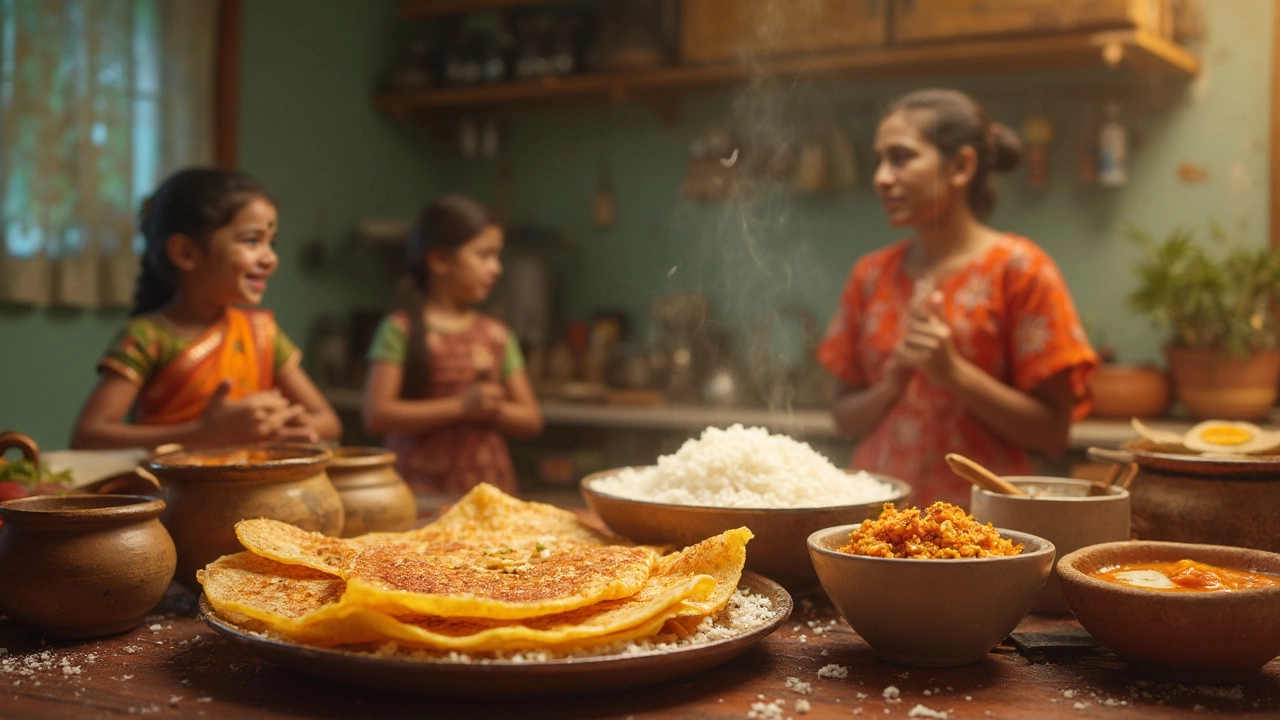
When you’re torn between dosa and rice for your next meal, the choice isn’t just about taste. This article compares dosa and plain rice from a health and nutrition angle, unpacking carbs, proteins, and even gut benefits. You’ll get to know what actually happens when you swap out rice for dosa or vice versa. We’ll also dive into why dosa batter matters and what to tweak for better health. Expect real answers and a few surprises if you thought one was the clear winner.
Read More