Paneer Shelf Life: How Long Does Paneer Last and How to Tell If It's Gone Bad
When you make paneer, a fresh, unaged Indian cheese made by curdling milk with lemon juice or vinegar. Also known as Indian cottage cheese, it’s a staple in curries, stir-fries, and snacks across the country. But unlike aged cheeses, paneer doesn’t last long—especially when made at home. Most people assume if it looks and smells fine, it’s safe to eat. That’s a dangerous myth. Homemade paneer starts going bad after just 3 to 5 days in the fridge, even if it’s stored in water. Store-bought paneer might last a little longer, but it’s still risky past its expiry date.
Why does paneer spoil so fast? It’s because it’s fresh, moist, and packed with proteins and fats that bacteria love. Unlike hard cheeses, paneer has no salt or preservatives to slow decay. You can’t save spoiled paneer by cooking it—heat won’t kill all the harmful bacteria or toxins that have already formed. Signs of spoilage aren’t always obvious: a sour smell, slimy texture, or tiny green or gray spots mean it’s done. Even if it looks normal, if it’s been sitting for more than 5 days, toss it. Eating old paneer can lead to stomach cramps, vomiting, or worse.
Paneer storage, the method used to keep paneer fresh longer. Also known as paneer preservation, it’s not just about putting it in the fridge. The best way is to keep it submerged in cold water, changing the water every day. If you need it to last longer, freeze it—paneer freezes well for up to 3 months. Just drain the water, wrap it tightly, and thaw it in the fridge before use. Don’t store paneer in plastic containers without water—it dries out and gets rubbery. And never leave it out at room temperature for more than 2 hours, even in cool weather.
People often ask if paneer from the grocery store lasts longer than homemade. It might, but only because it’s been treated with preservatives or packaged under controlled conditions. Still, always check the expiration date. If it’s past that date, don’t risk it. And if you’ve ever eaten paneer that tasted off—slightly sour or bitter—you already know what spoiled paneer tastes like. Trust your instincts. Your stomach will thank you.
Many Indian households make paneer weekly, and that’s fine—if you use it quickly. But if you’re buying in bulk or making extra, you need to know how to store it right. This collection of posts gives you real, no-fluff advice on paneer shelf life, what to look for when it’s gone bad, and simple tricks to make it last longer without chemicals. You’ll also find related tips on how to make paneer from scratch, how to tell if your milk is fresh enough to curdle properly, and why some people soak paneer in salted water before cooking. Whether you’re new to Indian cooking or just tired of wasting food, this guide cuts through the noise and gives you what actually works.
Shelf Life of Homemade Paneer: How Long Does It Really Last?
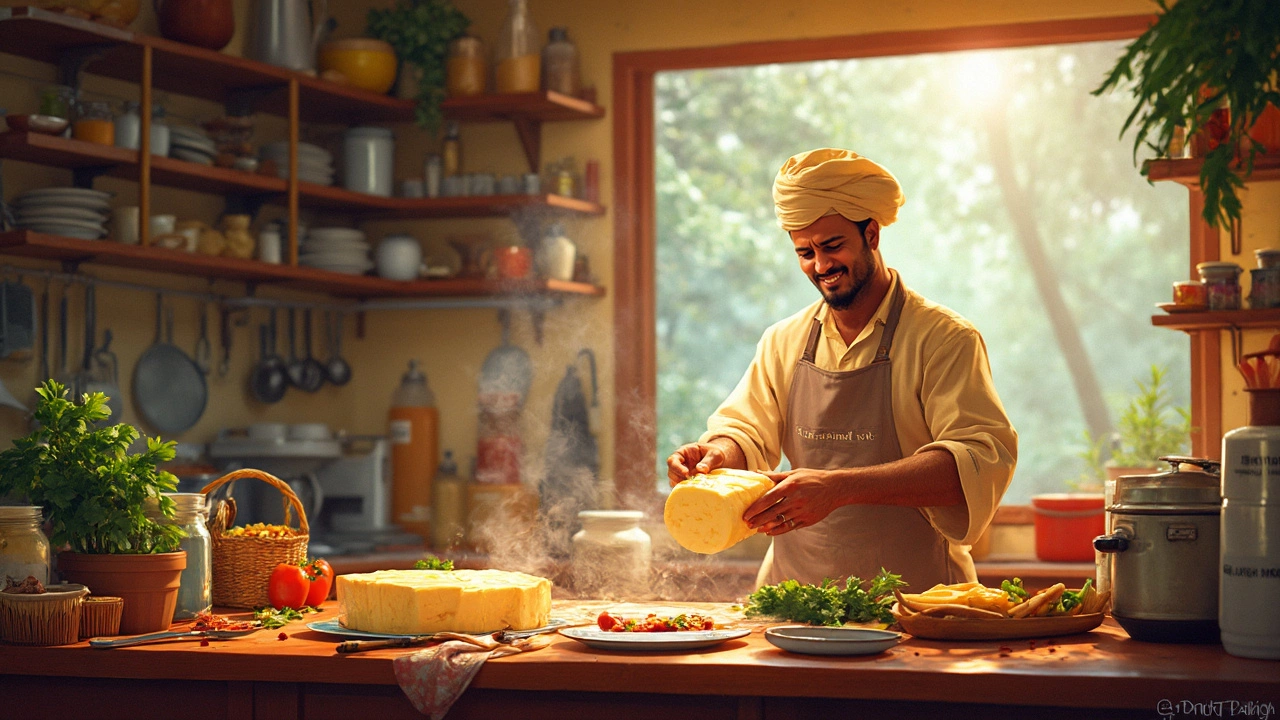
Ever wondered how long your homemade paneer can last? Knowing the shelf life and storage methods is crucial to prevent waste and enjoy fresh paneer. This article provides insights into extending its lifespan, safe storage practices, and signs of spoilage. Find out how to make the most of its freshness in your dishes.
Read More