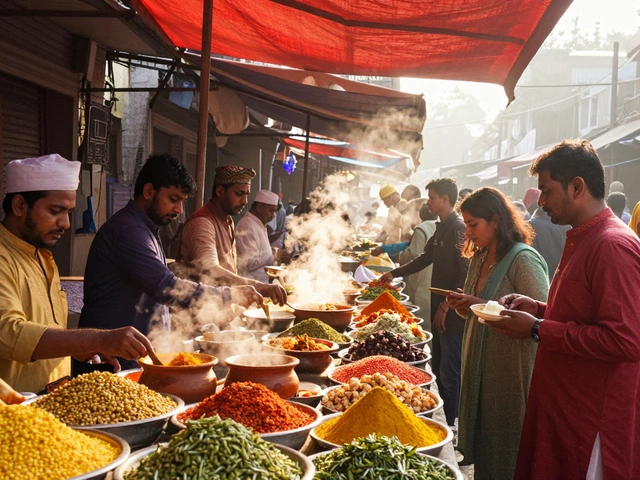
Indian Diet Nutrition: What You Eat and Why It Works
When we talk about Indian diet nutrition, the everyday eating patterns of millions across India that blend whole grains, legumes, vegetables, and spices into meals that fuel both body and culture. Also known as traditional Indian eating habits, it’s not a fad—it’s a system built over centuries to keep people healthy on limited resources. This isn’t about counting calories or avoiding carbs. It’s about how Indian diet nutrition naturally balances protein, fiber, and slow-burning energy through simple, regional ingredients.
At the heart of this system is dal, a daily staple made from split lentils or pulses, rich in plant-based protein and iron, and eaten by nearly every household in India. Also known as lentil stew, it’s the quiet hero of Indian meals—served with rice, roti, or both, and often the only protein source in a day. Then there’s Indian breakfast, a collection of regional morning meals like idli, poha, and upma that use fermented grains and minimal oil to deliver steady energy without sugar spikes. Also known as traditional Indian morning foods, these aren’t just quick options—they’re nutritionally designed to last until lunch. And let’s not forget the spices: turmeric, cumin, coriander, and asafoetida aren’t just for flavor—they’re anti-inflammatory, aid digestion, and help your body absorb nutrients better.
People assume Indian food is heavy or oily, but look closer. The healthiest meals are often the simplest: a bowl of vegetarian Indian diet, a way of eating centered on plants, legumes, dairy, and spices, with meat as a rare addition in many households. Also known as plant-based Indian meals, it’s naturally low in saturated fat and high in fiber, making it one of the most sustainable diets in the world. Even sweets like jaggery-based laddus or date halwa replace refined sugar with natural alternatives that come with minerals and slow-release energy.
What makes this diet work isn’t magic—it’s rhythm. Meals are built around balance: carbs from rice or roti, protein from dal or paneer, fiber from vegetables, and flavor from spices that also heal. No need for supplements or protein powders. The food itself does the work.
Below, you’ll find real guides on what to eat, what to avoid, and how to make the most of everyday Indian ingredients. Whether you’re trying to lose weight, manage blood sugar, or just eat better, the answers are already in your kitchen—you just need to know where to look.
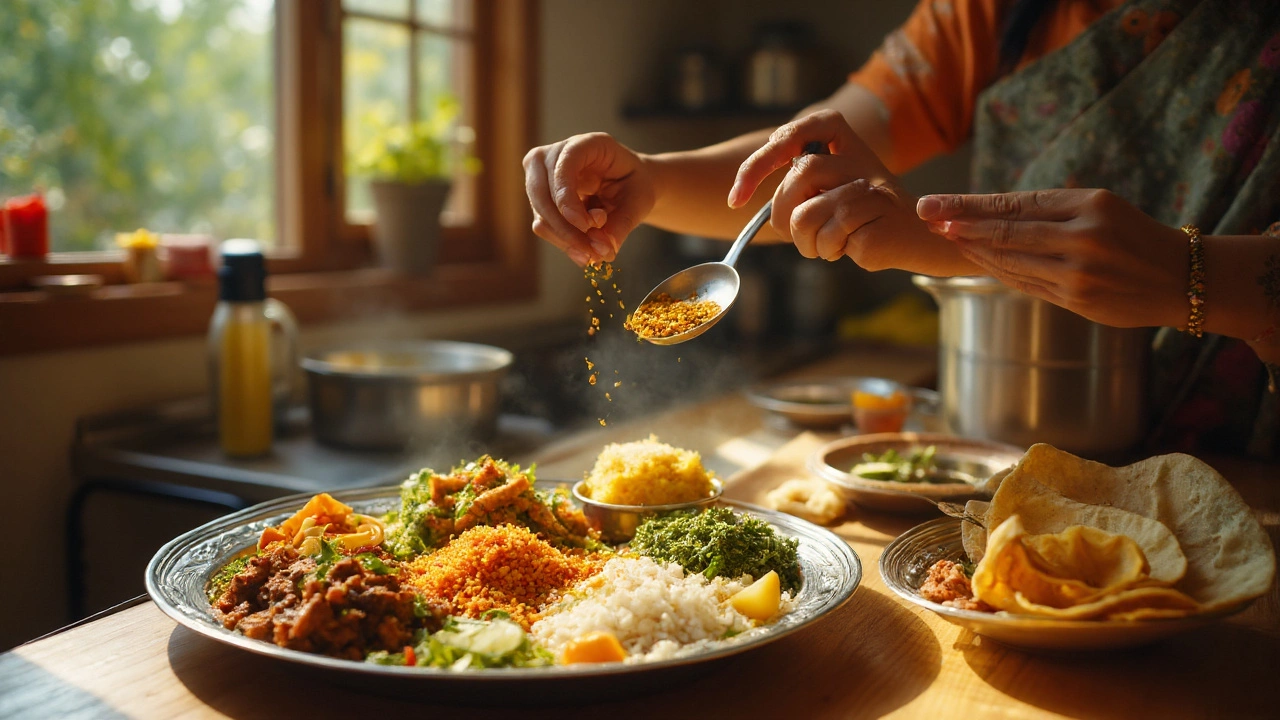
How Healthy Is Indian Vegetarian Food? Nutrition Benefits, Pitfalls, and a Smart Thali Guide
Is Indian vegetarian food healthy? See nutrition benefits, common pitfalls, smart swaps, and a step-by-step thali guide with protein, fiber, and spice science.
Read More