Fermented Dosa Batter: How It Works, Why It Matters, and What to Do With It
When you bite into a crisp, golden fermented dosa batter, a living mixture of rice and black gram lentils that has been left to rise naturally, creating tangy flavor and airy texture. Also known as dosa batter, it’s the foundation of one of India’s most loved breakfasts — and it’s not just food, it’s a biological process you can control at home. This isn’t magic. It’s microbes. Bacteria and yeast feed on the starches in rice and urad dal, turning them into carbon dioxide and lactic acid. That’s what makes the batter puff up, taste slightly sour, and digest easier. It’s the same science behind yogurt, sourdough, and kimchi — just done the Indian way.
What makes fermented dosa batter, a traditional South Indian preparation that relies on natural fermentation to enhance nutrition and texture. Also known as idli dosa batter, it’s a daily ritual in homes from Tamil Nadu to Kerala so special? Because fermentation doesn’t just make it rise — it unlocks nutrients. The process breaks down phytic acid, which normally blocks iron and zinc absorption. That means your body gets more out of every bite. Plus, the live cultures act as probiotics, supporting gut health. No supplements needed. Just rice, lentils, water, time, and warmth. You don’t need fancy equipment. A warm corner of your kitchen, a covered bowl, and patience are all it takes.
People often think dosa batter is just for dosas. But it’s the same base for idlis, uttapams, and even fermented pancakes. If you’ve ever wondered why your dosa turned out flat or tough, the problem wasn’t the pan — it was the batter. Under-fermented batter won’t puff. Over-fermented batter turns too sour and collapses. The sweet spot? Usually 8–12 hours in warm weather, longer in winter. Add a pinch of fenugreek seeds to speed it up naturally. Store extra batter in the fridge for up to five days. Reheat it gently, stir well, and it’s good to go.
And it’s not just about taste. Fermented dosa batter is why South Indian breakfasts are ranked among the healthiest in the world. No frying. No refined sugar. Just whole grains, natural fermentation, and simple spices. It’s the kind of food that gives you steady energy, keeps you full, and doesn’t crash your blood sugar. If you’ve tried store-bought dosa mix and been disappointed, you’re missing the real thing. Homemade fermented batter is cheaper, tastier, and better for you.
Below, you’ll find real recipes, troubleshooting tips, and stories from people who’ve mastered this process — from first-time cooks to grandmothers who’ve been doing it for decades. Whether you want to fix a failed batch, understand why it smells sour, or learn how to use leftover batter, you’ll find it here. No fluff. Just what works.
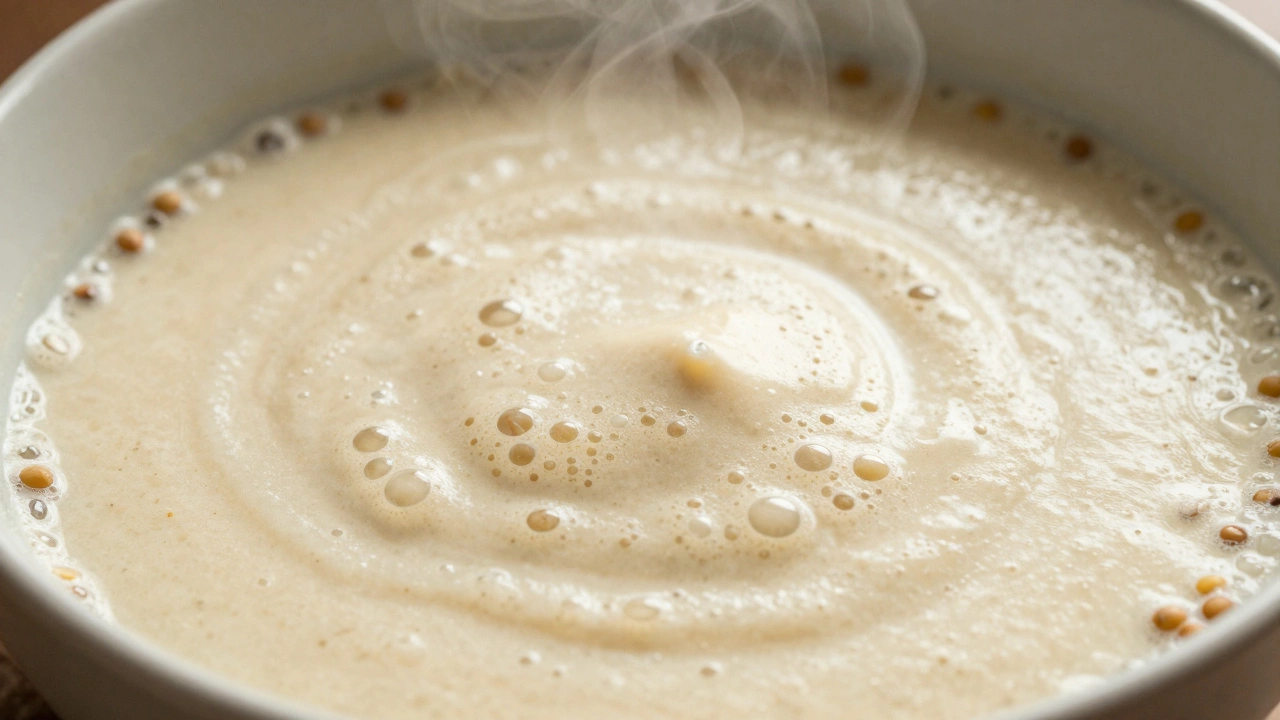
Why Does Dosa Batter Become Sour? The Science Behind the Fermentation
Dosa batter becomes sour due to natural fermentation by wild bacteria that convert starches into lactic acid. This process makes dosas light, digestible, and flavorful - not spoiled.
Read More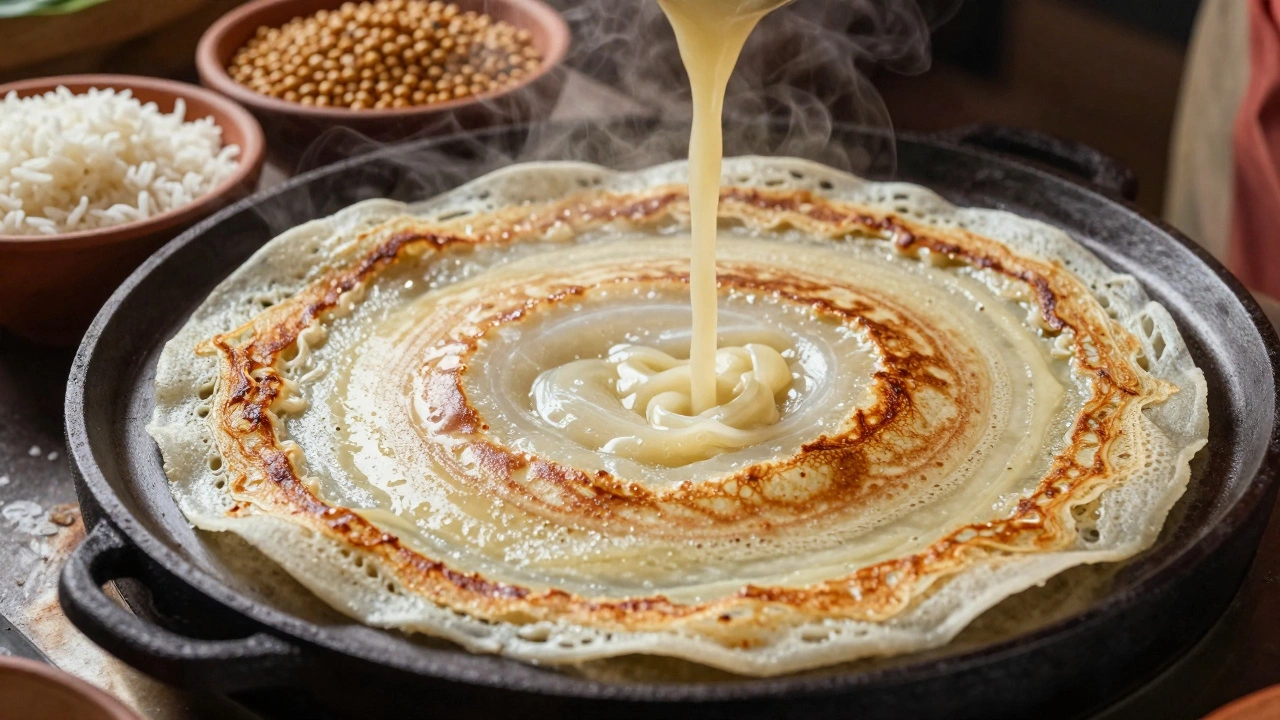
Why Do We Add Rice in Dosa Batter? The Science Behind the Perfect Crispy Dosa
Rice in dosa batter isn't just tradition-it's science. It creates crispness, controls fermentation, and gives dosa its signature texture. Learn why skipping rice ruins dosa and how to get it right every time.
Read More