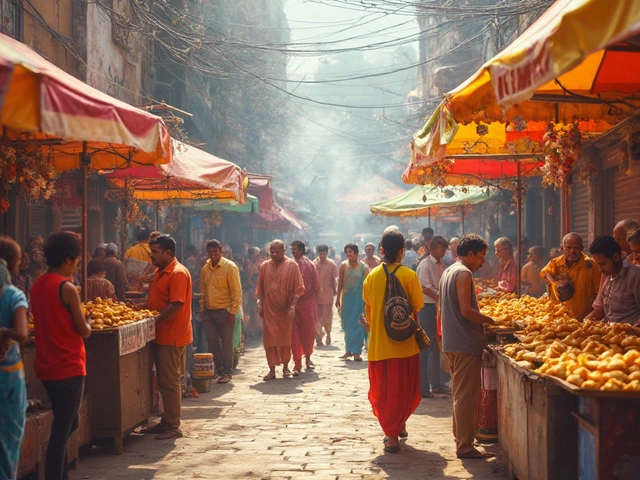
Dosa Ingredients: What You Need for Perfect Crispy Dosa at Home
When you think of dosa, a thin, fermented crepe from South India made from rice and lentils. Also known as dosai, it’s one of India’s most loved breakfast foods—crispy on the edges, soft inside, and perfect with coconut chutney or sambar. But what actually goes into making a good dosa? It’s not just rice and dal. The magic happens in the balance of ingredients, fermentation time, and technique. Skip the store-bought mix and make it yourself—you’ll taste the difference.
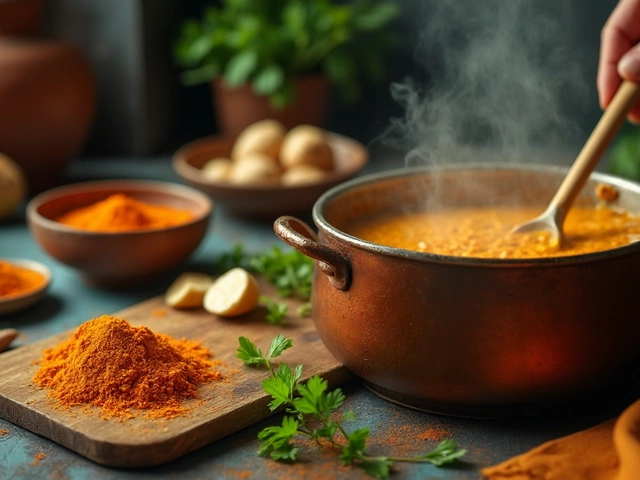
The core dosa ingredients, a simple blend of rice and black gram lentils are easy to find. You need raw rice, preferably idli rice or short-grain parboiled rice for better texture, and urad dal, the split black gram that gives dosa its fluffiness and crispness. The ratio? Usually 3 parts rice to 1 part urad dal. Add a pinch of fenugreek seeds, a tiny but powerful ingredient that helps with fermentation and adds a subtle bitterness that balances the flavor. Salt is non-negotiable—it’s not just for taste, it helps the batter ferment properly.
Fermentation is where most people go wrong. The batter needs at least 8–12 hours in a warm place. If you live somewhere cold, place it near a heater or in an oven with the light on. You’ll know it’s ready when it doubles in volume, smells slightly sour, and bubbles up like champagne. Don’t skip the water. Use cold, clean water to grind the dal first, then the rice. Grinding the dal to a smooth, fluffy paste before adding rice makes all the difference. Some add a tablespoon of poha (flattened rice) or chana dal for extra crispness, but that’s optional.
Why do some dosas stick to the pan? It’s not the pan—it’s the batter. If it’s too thick, it won’t spread. If it’s not fermented enough, it won’t crisp up. And if you skip the oil around the edges, you’ll miss the golden, crunchy border that makes dosa irresistible. The best dosas are made with a well-seasoned cast iron tawa, but a non-stick pan works fine too.
You’ll find dozens of variations in the posts below—from classic plain dosa to masala dosa, rava dosa, and even gluten-free versions. Some use leftover rice, others add oats or millet. But no matter the twist, the core ingredients stay the same. Whether you’re making dosa for the first time or trying to fix a batch that didn’t turn out right, the answers are in the batter. Let the rice, dal, and time do the work. You just need to get the basics right.
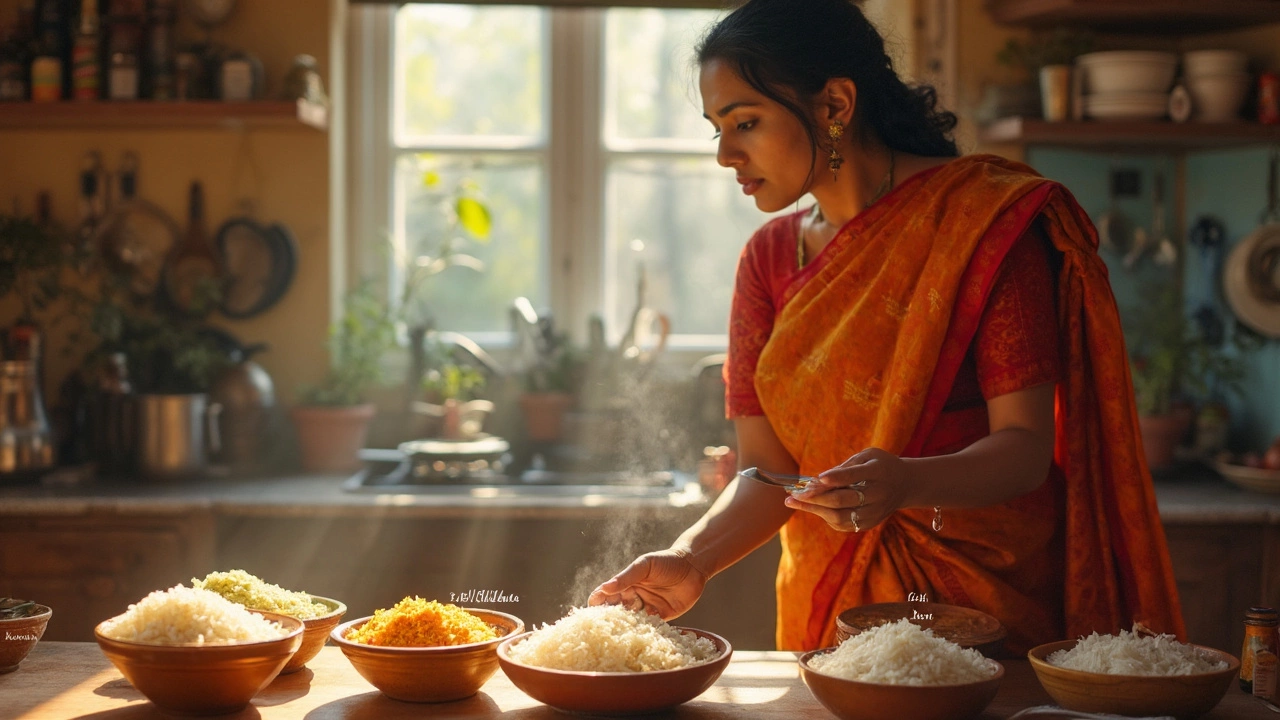
Best Rice for Dosa Batter in the USA: The Ultimate Guide for Authentic Results
Struggling with dosa batter in the USA? Discover the best rice types, tips for crispiness, and how to substitute with local grains for fail-proof dosas every time.
Read More