Dosa for Diabetes: Can You Eat Dosa If You Have Diabetes?
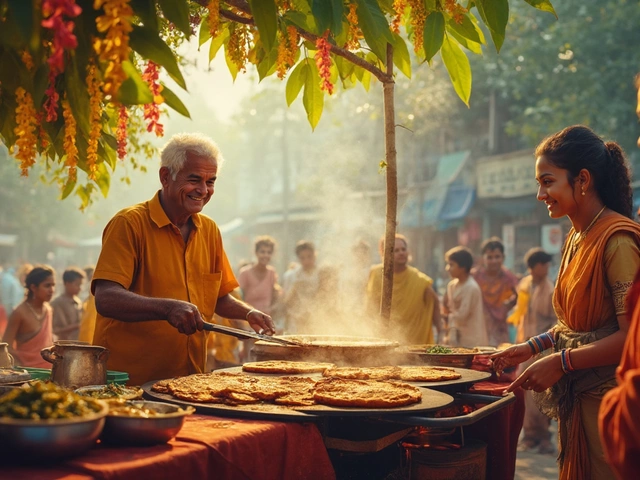
When you have diabetes, dosa doesn’t have to be off-limits—but it does need a smart twist. This popular South Indian fermented crepe, made from rice and lentils, is often seen as a healthy breakfast. But not all dosas are created equal. The key isn’t avoiding it entirely—it’s understanding how it affects your blood sugar and how to make it work for you. dosa, a fermented rice and lentil batter-based pancake common in South India, is naturally rich in carbs, but its fermentation process boosts digestibility and lowers its glycemic impact compared to plain rice. When paired with coconut chutney or sambar made with lentils, it becomes a balanced meal that can fit into a diabetic diet—if you control portions and choose the right ingredients.
fermentation, a natural process that breaks down starches and improves nutrient absorption is what makes traditional dosa different from regular rice cakes. This process reduces the glycemic index, meaning your blood sugar won’t spike as fast. Studies show fermented foods like dosa and idli can help manage post-meal glucose levels better than non-fermented alternatives. But here’s the catch: many modern recipes use white rice, skip fermentation, or add sugar to the batter. That’s where things go wrong. Swap white rice for brown rice, millet, or quinoa. Add more lentils—especially urad dal—to increase protein and fiber. These swaps turn a high-GI food into a slow-burning fuel source.
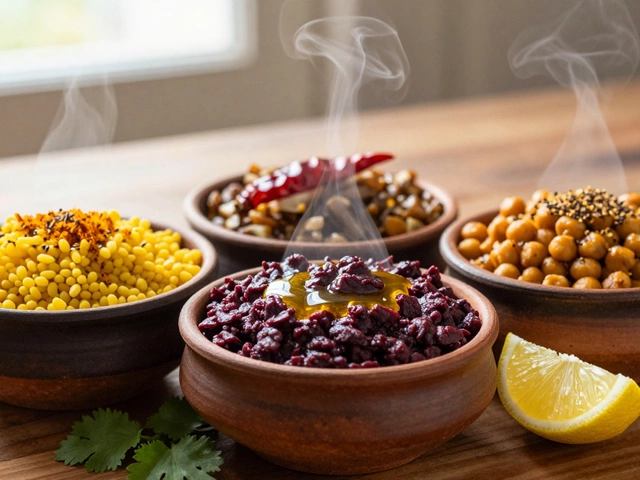
lentils, a protein- and fiber-rich legume commonly used in Indian cooking are the unsung heroes here. Urad dal, the main lentil in dosa batter, has a low glycemic index and helps slow down carb absorption. When you increase the lentil-to-rice ratio, you’re not just making the dosa healthier—you’re making it more filling, so you eat less. And don’t forget the toppings. Avoid fried potato masala or sweet chutneys. Go for plain coconut chutney, tomato-onion chutney, or a simple sambar made with toor dal and vegetables. These choices keep the meal low in added sugar and fat.
If you’re watching your blood sugar, portion size matters more than you think. One medium dosa with a side of sambar is fine. Two with extra chutney? That’s a problem. Pair your dosa with a boiled egg or a small serving of curd to add protein and fat—both help stabilize glucose. Many people with diabetes skip dosa thinking it’s too carb-heavy. But with the right tweaks, it can be part of a healthy routine. The real issue isn’t dosa itself—it’s how it’s made and what it’s served with.
You’ll find real-life examples of these tweaks in the posts below. From how to make a millet dosa that won’t spike your sugar, to why urad dal is your best friend, to the exact chutney recipes that keep blood sugar steady—these aren’t theory-based tips. They’re tested by home cooks who manage diabetes every day. Whether you’re new to this or just looking for a better way to enjoy your favorite breakfast, you’ll find practical, no-nonsense advice here.
Does Dosa Spike Blood Sugar? Truth About Dosa’s Glycemic Impact
Wondering if dosas spike your blood sugar? Get real facts on dosa’s glycemic index, health impact, tips for diabetics, and ways to make your dosa healthier.
Read More