Dosa Batter Recipe: How to Make Perfect Crispy Dosa at Home
When you think of dosa, a thin, crispy fermented rice and lentil crepe from South India. Also known as Indian crepe, it’s one of the most loved breakfast foods across the country and beyond. The secret isn’t in the pan—it’s in the batter. Get the batter right, and you’ve got a golden, lacy, perfectly crisp dosa every time. Get it wrong, and you’re stuck with a sticky, dense mess. Most people skip the details and wonder why their dosa won’t lift off the tawa. It’s not your stove—it’s the fermentation, the grind, and the wait.
The dosa batter, a fermented mix of rice and urad dal. Also known as South Indian crepe batter, it’s not just food—it’s a living culture. You need raw rice, not parboiled. You need whole urad dal, not split. And you need time. No shortcuts. The batter needs 8 to 12 hours of warmth to ferment properly. Cold kitchen? Use the oven with the light on. Humid day? It’ll be ready faster. Dry winter? Add a splash of warm water and cover with a towel. This isn’t baking. It’s biology.
People think dosa batter is just rice and dal. But it’s more than that. The urad dal, a black lentil that adds fluff and lift to the batter. Also known as black gram, it’s what turns flat rice into something airy and crisp. If you skip soaking it long enough, or grind it too coarse, your dosa won’t puff. And the rice, preferably idli rice or short-grain white rice. Also known as dosai rice, it gives structure and crunch. Long-grain basmati? Don’t use it. It won’t bind right. You need starch that turns sticky when soaked, not fluffy like for biryani.
And don’t forget salt. Add it after grinding, not before. Salt slows down fermentation. Wait until the batter has doubled, then stir in a teaspoon. That’s it. No yeast. No baking soda. Just patience and the right ingredients. Some add fenugreek seeds for extra crispness. Others blend in a little cooked rice for softness. Both work. But the core? Rice. Urad dal. Water. Time.
Look at the posts below. You’ll find people asking if dosa is healthy. It is—especially when made with fermented batter. Fermentation boosts probiotics and makes nutrients easier to absorb. You’ll see tips on how to store batter in the fridge for days, how to fix sour batter, and why your dosa sticks even when the pan is hot. You’ll learn what separates a street vendor’s dosa from your kitchen version. It’s not magic. It’s the batter.
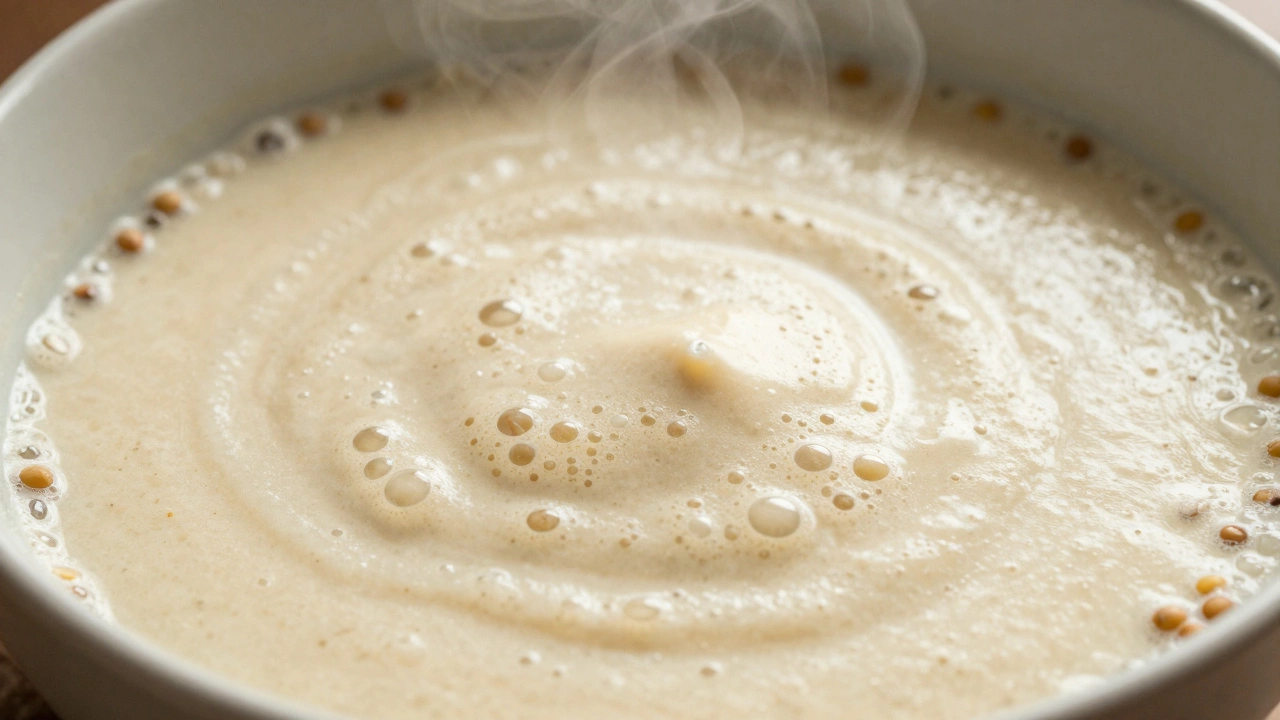
Why Does Dosa Batter Become Sour? The Science Behind the Fermentation
Dosa batter becomes sour due to natural fermentation by wild bacteria that convert starches into lactic acid. This process makes dosas light, digestible, and flavorful - not spoiled.
Read More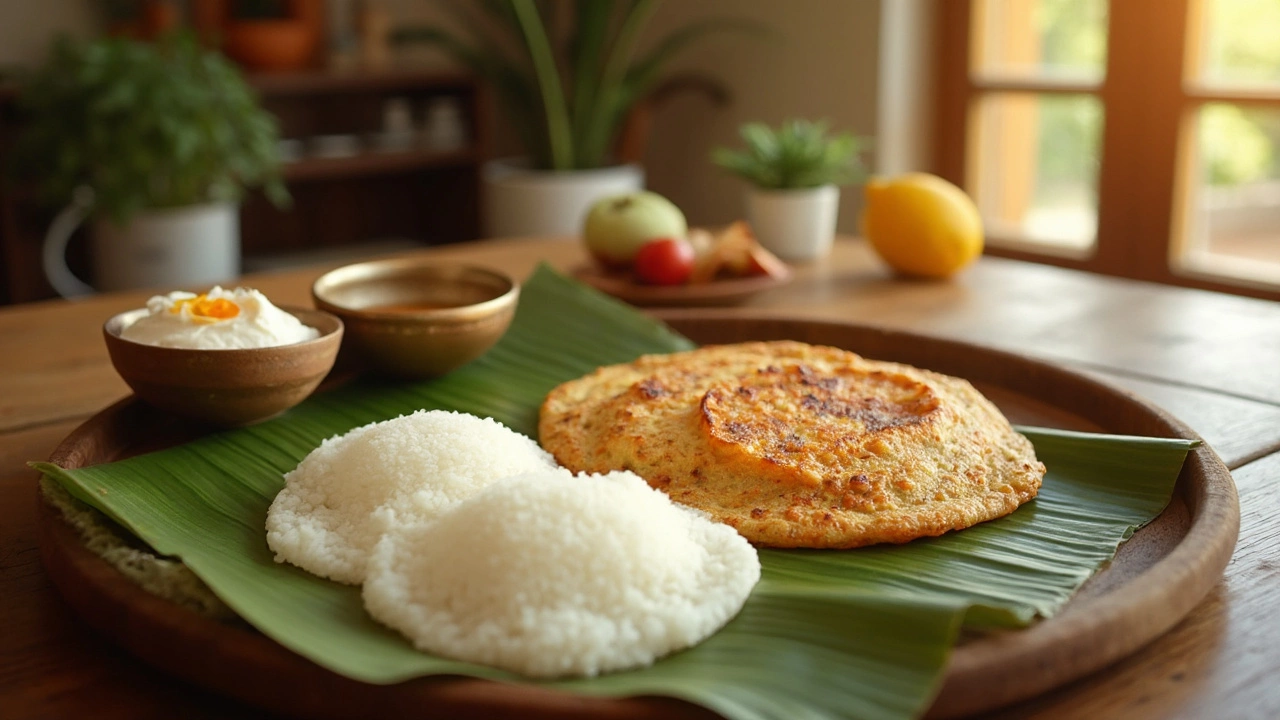
Idli vs. Dosa: Which Is Healthier for You?
Ever wondered if you should pick idli or dosa as the healthier choice? This article peels back the layers on both these South Indian classics, looking at calories, nutrition, portion sizes, and how your choice of batter can make a difference. You'll discover which is better for weight watchers, which keeps you full for longer, and what tweaks can level up their health factor. Simple tips and honest facts—no fluff. If dosa batter's on your mind, this is your no-nonsense guide.
Read More
Is Dosa Gut Friendly?
Exploring if dosa is good for your gut health might surprise you with positive insights. Dosa is not just a scrumptious treat but also holds potential benefits for your digestive system, especially thanks to its fermentation process. We'll dive into what makes this beloved South Indian dish a possible ally to your gut. Learn not only about its benefits but also how to enhance its gut-friendly properties right from your kitchen. Discover reasons to include dosa more often in your meals!
Read More
Is Dosa Good for Belly Fat? Exploring its Impact
Wondering if dosa is good for reducing belly fat? This article delves into the nutritional aspects of dosa, discussing its potential impact on weight and offering practical insights into maintaining a balanced diet. Learn how to make healthier dosa choices, understand its effects on your waistline, and find out tips for making a batter that suits your dietary goals.
Read More