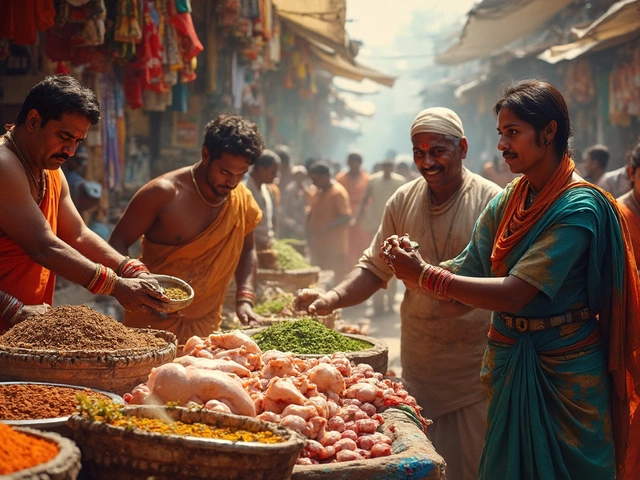
Dosa: The Crispy South Indian Staple You Need to Master
When you think of dosa, a thin, crispy fermented crepe made from rice and lentils, often served with coconut chutney and sambar. Also known as dosai, it's one of India’s most beloved breakfast foods—and one of the easiest to love. It’s not just food. It’s a morning ritual in Tamil Nadu, Karnataka, and Kerala. You’ll find it on street corners, in home kitchens, and even in upscale restaurants. And yes, it’s gluten-free, vegan, and packed with flavor from a simple batter that sits overnight.
What makes dosa work isn’t fancy ingredients—it’s time and technique. The batter, made from soaked rice and urad dal, ferments naturally. That’s what gives it that airy crispness and slight tang. You don’t need a special pan. A flat griddle or non-stick skillet works fine. The trick? Heat it right, pour thin, and spread it fast. Serve it hot with sambar, a spicy lentil stew with vegetables, tamarind, and mustard seeds on the side, and a dollop of coconut chutney, a fresh blend of grated coconut, green chilies, and roasted lentils. That’s the full experience.
People think dosa is just one thing. It’s not. There’s masala dosa—stuffed with spiced potatoes. Cheese dosa, for the curious. Rava dosa, made with semolina for a quicker version. Even mini dosas for kids. And if you’ve ever tried idli, you’ve already met its softer cousin. Same batter, different shape. Both rely on fermentation, which boosts digestibility and adds probiotics. That’s why traditional Indian breakfasts like these are often called among the healthiest in the world.
You’ll find recipes here that break down the fermentation process step by step. No more guessing if your batter is ready. You’ll see how to fix a flat, thick dosa. How to store batter for days. How to make it without a grinder. And yes, we cover the common mistakes—like using cold water, skipping fermentation, or flipping too early. This isn’t about perfection. It’s about getting it right, again and again, until it’s second nature.
Whether you’re new to Indian cooking or just looking to nail the perfect crispy edge, the posts below give you real, tested ways to make dosa work in your kitchen. No fluff. Just what actually happens when you mix rice, lentils, salt, and time.
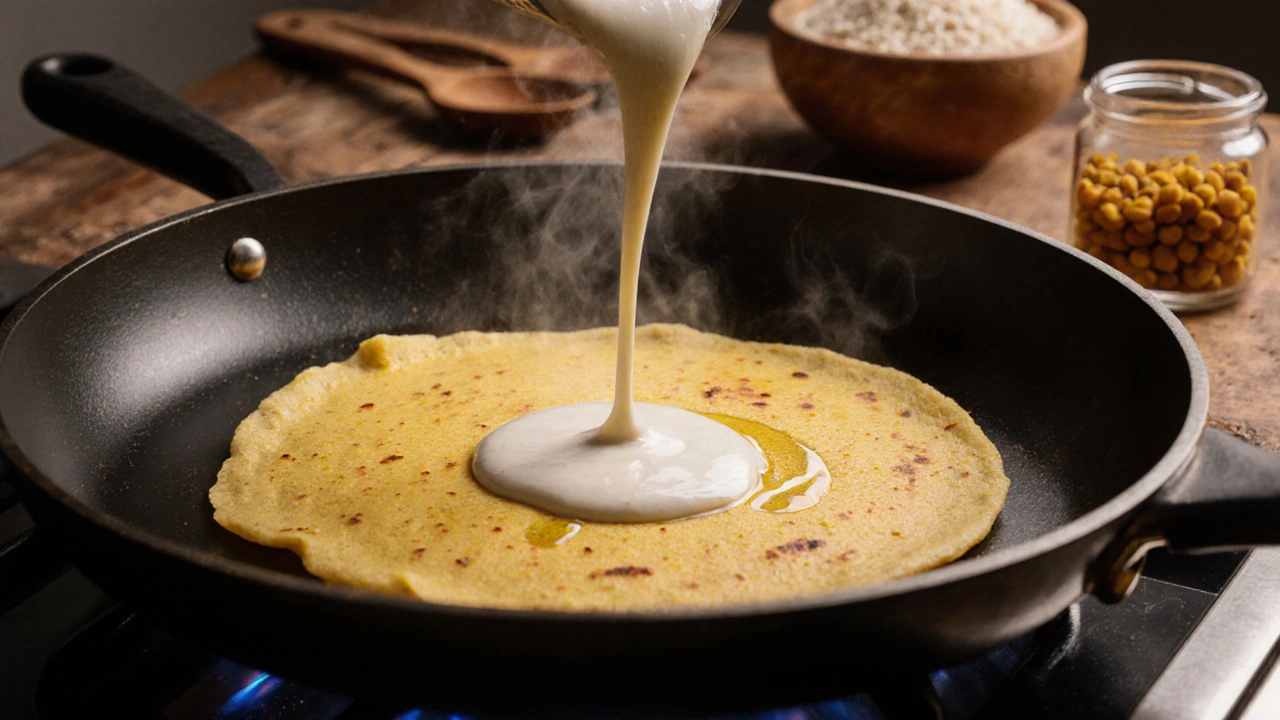
Is Dosa Healthy? Benefits, Nutrition Facts & Smart Eating Tips
Discover if dosa is a healthy snack by exploring its nutrition, probiotic benefits, glycemic impact, and smart cooking tips for a balanced diet.
Read More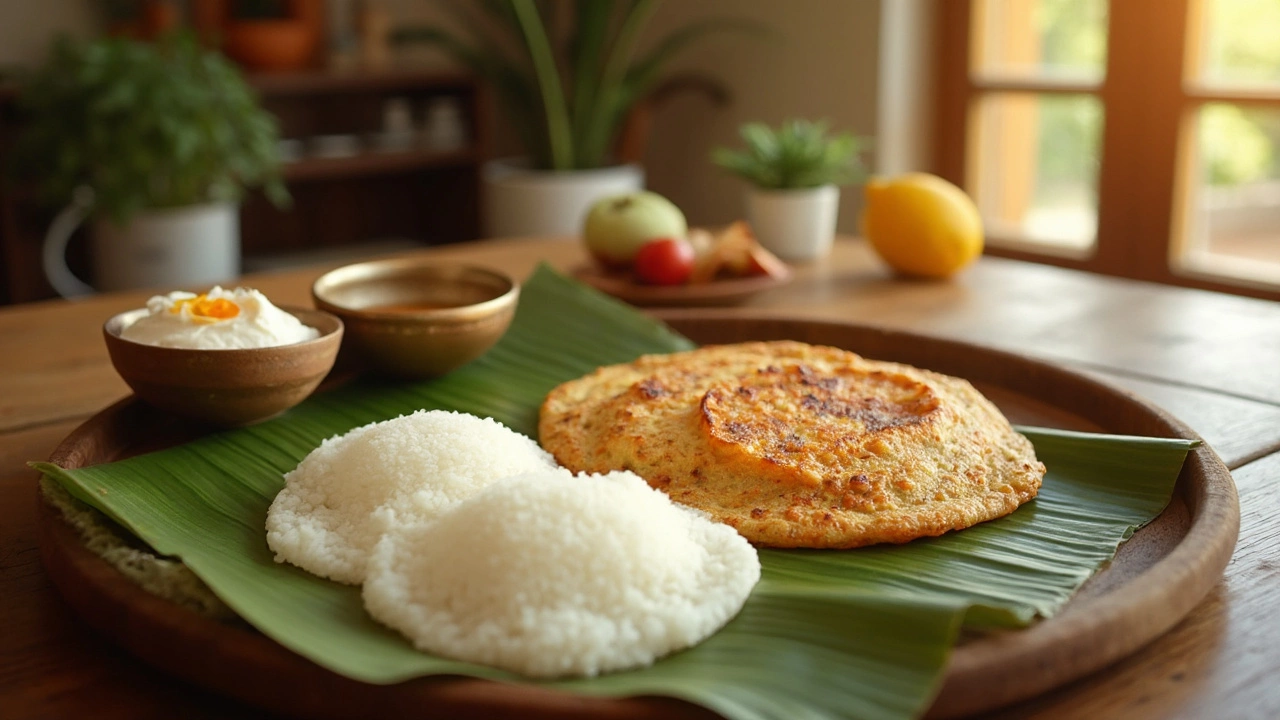
Idli vs. Dosa: Which Is Healthier for You?
Ever wondered if you should pick idli or dosa as the healthier choice? This article peels back the layers on both these South Indian classics, looking at calories, nutrition, portion sizes, and how your choice of batter can make a difference. You'll discover which is better for weight watchers, which keeps you full for longer, and what tweaks can level up their health factor. Simple tips and honest facts—no fluff. If dosa batter's on your mind, this is your no-nonsense guide.
Read More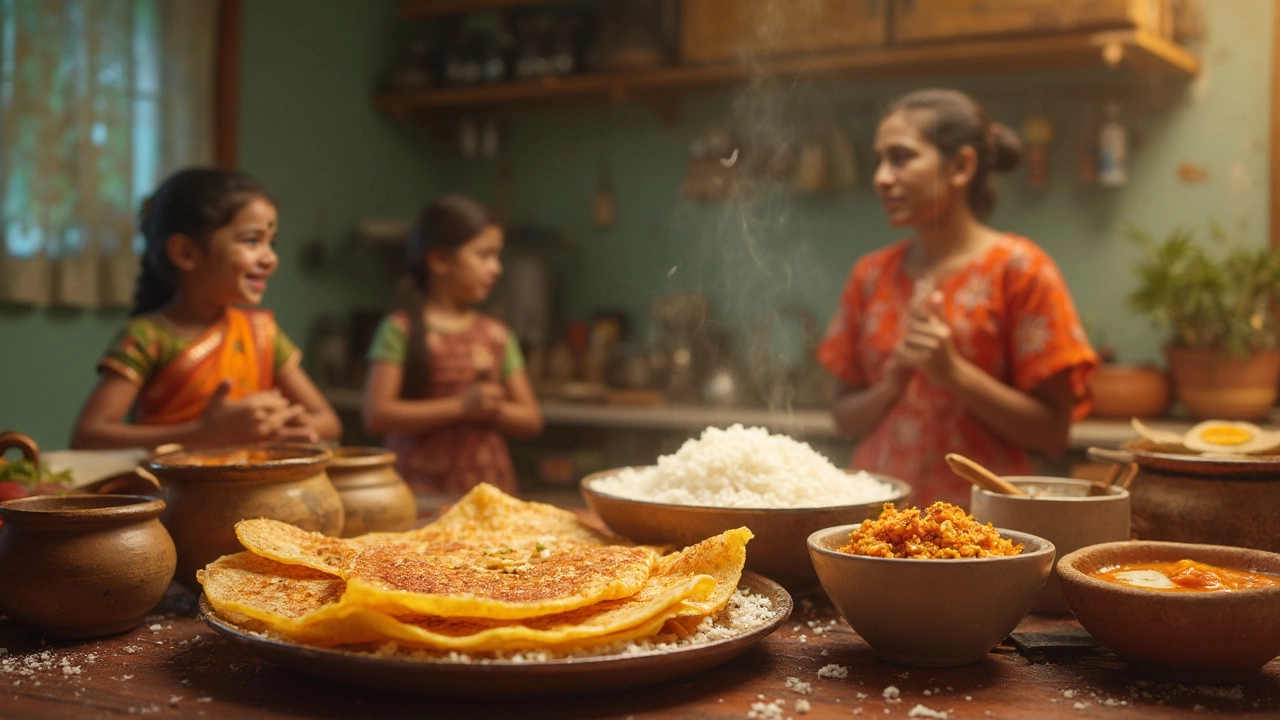
Is Dosa Healthier or Rice? Real Talk for Your Plate
When you’re torn between dosa and rice for your next meal, the choice isn’t just about taste. This article compares dosa and plain rice from a health and nutrition angle, unpacking carbs, proteins, and even gut benefits. You’ll get to know what actually happens when you swap out rice for dosa or vice versa. We’ll also dive into why dosa batter matters and what to tweak for better health. Expect real answers and a few surprises if you thought one was the clear winner.
Read More