Baking Soda in Indian Cooking: Uses, Substitutes, and Hidden Tricks
When you think of baking soda, a white powder that reacts with acids to create lift in baked goods. Also known as sodium bicarbonate, it's one of the most underrated tools in Indian kitchens—not just for cakes, but for making tender chicken, soft dal, and crisp fried snacks. Most people only use it in sweets, but the real magic happens in savory dishes where texture and timing matter more than flavor.
Indian cooks have been using baking soda for decades to cut cooking time and improve texture. Add a pinch to your dal, a simple lentil stew that’s a staple across India and it softens the lentils faster without losing their shape. Toss a little into the water when boiling chickpeas for chole and they’ll cook in half the time. It’s the same trick used in street stalls for perfect pakoras—baking soda makes the batter light, airy, and stays crispy longer. Even in meat curries, a tiny amount helps break down tough fibers so your chicken or goat becomes melt-in-your-mouth without needing hours of slow cooking.
It’s not magic—it’s chemistry. Baking soda raises the pH of the food, which weakens protein bonds. That’s why it works so well with beans, lentils, and meat. But too much? You’ll taste it. Metallic. Bitter. That’s why most Indian recipes call for just a pinch—about 1/8 teaspoon per cup of liquid. And if you don’t have baking soda? You can sometimes swap it with baking powder, but you’ll need three times the amount, and it might make your dish taste sour. Not worth it. Better to keep baking soda in your pantry than to guess.
Some people avoid it because they think it’s "chemical"—but it’s just a mineral compound. If you’ve ever eaten idli or dhokla, you’ve already eaten baking soda. It’s in those fluffy, fermented snacks too, helping them rise without yeast. The real question isn’t whether to use it—it’s whether you’re using it right.
Below, you’ll find real home-cooked solutions from Indian kitchens where baking soda plays a quiet but powerful role—from making paneer faster to saving a curry that’s too thick. No fluff. No theory. Just what works.
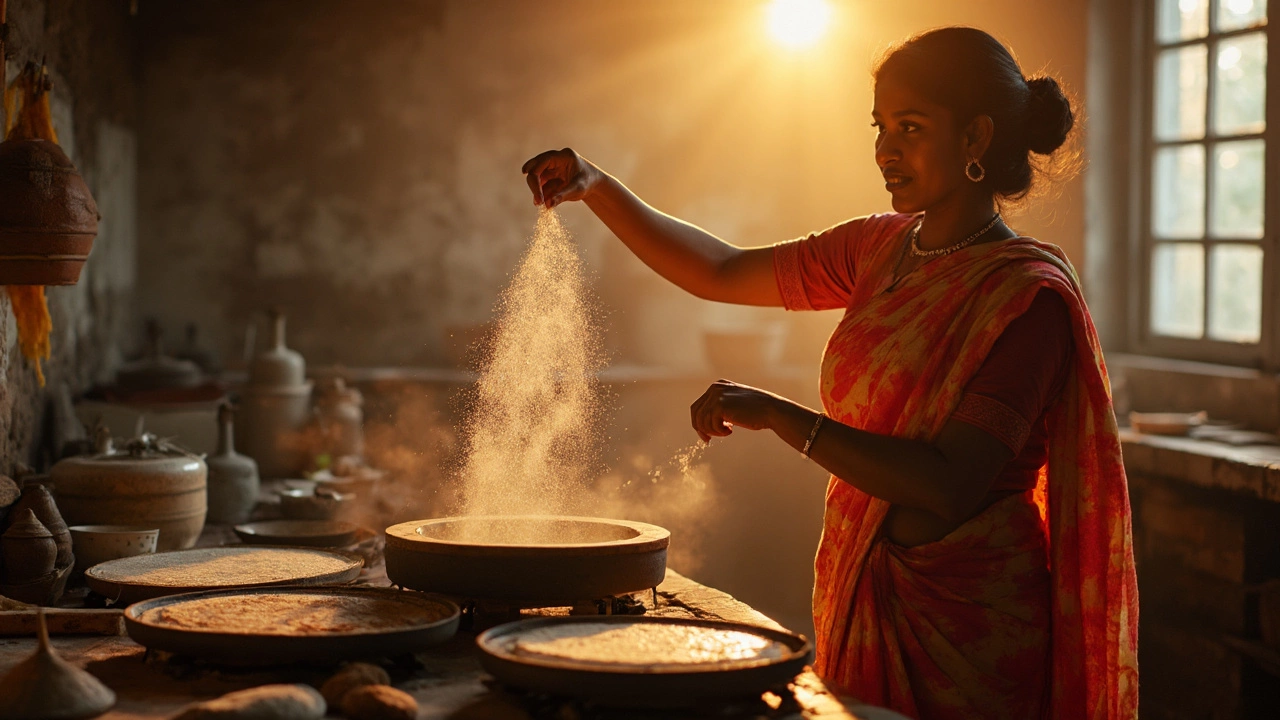
Baking Soda in Dosa Batter: The Simple Science Behind Softer, Fluffier Dosas
Ever wondered why some dosa batters turn out super soft and others fall flat? This article unpacks how baking soda works a little magic in dosa batter, making the texture lighter and the dosas crispier. From the science to everyday kitchen tips, you'll find practical answers on getting the perfect dosa. Get ready to learn what makes your favorite South Indian breakfast so addictive. No need for complicated tricks—just a pinch of baking soda is enough to change the game.
Read More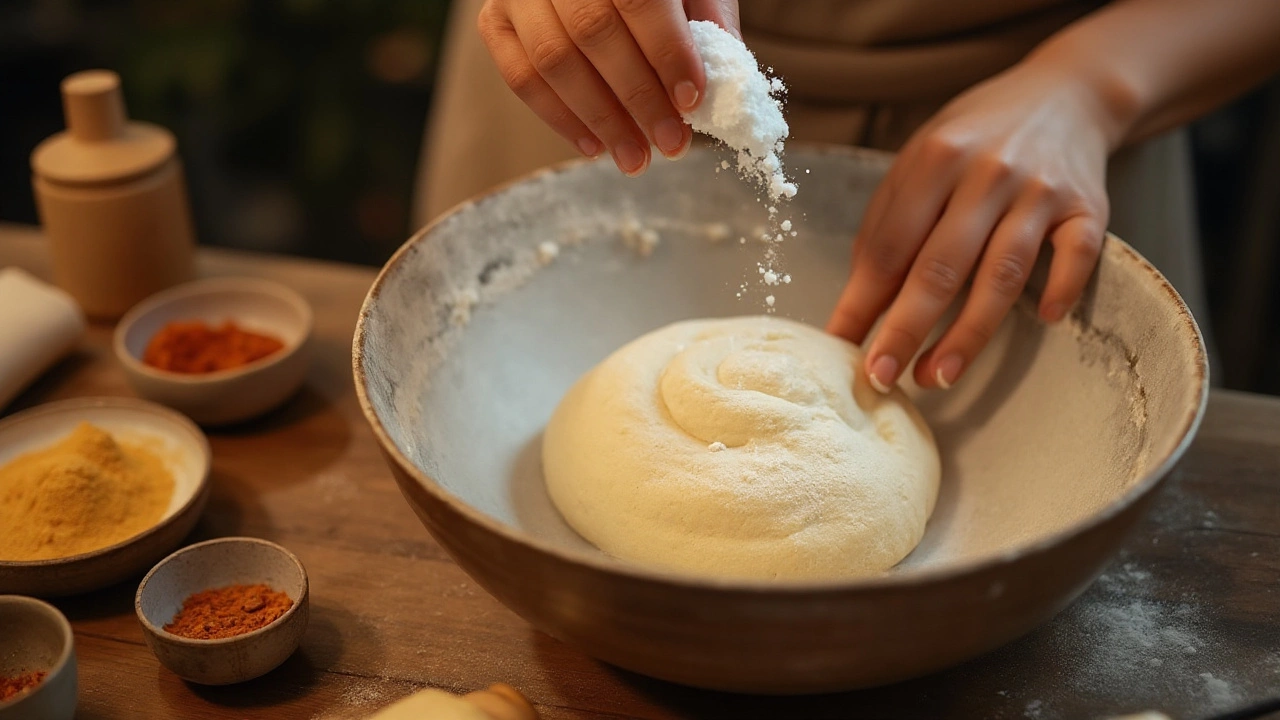
Baking Soda in Roti Dough: Secrets to Soft, Fluffy Bread
Ever wondered if baking soda could be the secret ingredient for making soft and fluffy roti? This article explores how baking soda affects roti dough, offering insights into the chemistry behind the transformation. Learn about the appropriate quantities, benefits, and potential drawbacks of using baking soda in your roti-making process. With tips and tricks tailored to enhance texture, discover how to elevate your homemade flatbreads.
Read More