7 Day Old Paneer: Is It Safe to Eat? What You Need to Know
When you make paneer, a fresh, non-melting Indian cheese made by curdling milk with lemon juice or vinegar. Also known as Indian cottage cheese, it’s a kitchen staple in homes from Delhi to Chennai. But what happens after a few days? If you’ve ever opened your fridge and found a block of paneer that’s been sitting there for seven days, you’re not alone—and you’re probably wondering if it’s still good.
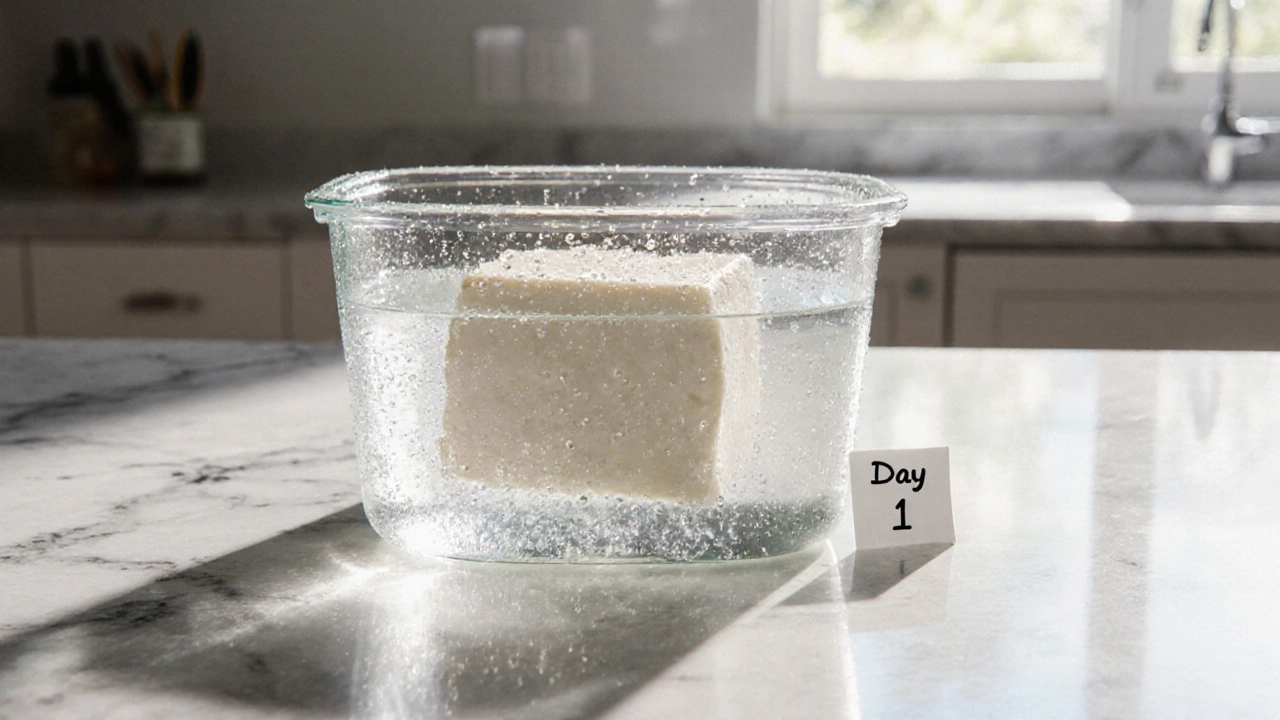
Paneer doesn’t last forever, but it doesn’t go bad the moment it hits day five. Unlike soft cheeses, paneer is dense and low in moisture, which gives it a little more breathing room. Still, how you store it matters more than the calendar. If it’s kept submerged in cold water and changed daily, it can stay fresh for up to a week. But if it’s left uncovered or in warm air, mold can show up by day three. The real question isn’t just about time—it’s about smell, texture, and color. Fresh paneer is white, firm, and slightly springy. If it smells sour like spoiled milk, feels slimy, or has green or gray spots, toss it. No exceptions.
Some people swear by using older paneer in curries or fried snacks, arguing that cooking kills bacteria. But that’s risky. Heat might kill surface germs, but it won’t undo toxins produced by mold or bad bacteria. And if you’ve ever had food poisoning from paneer, you won’t forget it. The safest move is to use it within 3–4 days. If you need to keep it longer, freeze it. Frozen paneer keeps for months and works fine in curries once thawed.
Don’t confuse paneer storage, the method of preserving fresh paneer in water or brine to extend shelf life with paneer making, the process of curdling milk to form the cheese from scratch. One is about preservation; the other is about creation. And if you’re making paneer at home, you already know how fresh it tastes on day one. That’s why so many Indian households make small batches every few days instead of bulk-buying or storing for weeks.
There’s also a cultural habit—especially in rural homes—of using slightly aged paneer in dishes like palak paneer or paneer tikka, where strong spices mask any subtle off-flavors. But that’s not a rule, it’s a gamble. And in today’s kitchens, with fridges and freezers everywhere, there’s no need to risk it. Better to freeze extra, label it, and pull it out when you need it.
So if you’ve got a block of paneer that’s been in the fridge since last Tuesday, check it before you cook. Smell it. Touch it. Look at it. If it passes, go ahead and use it. If it doesn’t, don’t feel bad about throwing it away. Fresh paneer is cheap and easy to make. You’ll save more than money—you’ll save your stomach.
Below, you’ll find real advice from home cooks who’ve dealt with this exact problem. Some share how they stretch paneer without risking health. Others reveal tricks to tell if it’s still good. And a few even explain why their grandmothers never worried about expiration dates—and whether those methods still hold up today.
Can You Eat 7-Day-Old Paneer? Safety, Signs of Spoilage, and What to Do Instead
Can you eat 7-day-old paneer? Homemade paneer spoils quickly-after 5 days, it's risky even if it looks fine. Learn the signs of spoilage, why cooking won't save it, and how to store paneer safely.
Read More