Indian Food in May 2025: Dosa, Biryani, Paneer, and More Real Kitchen Insights
When you think about Indian food, a vibrant mix of regional flavors, spices, and traditions that vary from street stalls to home kitchens across the country. Also known as South Asian cuisine, it’s not just about curry—it’s about how ingredients behave, how techniques pass down, and why some simple steps make all the difference. In May 2025, we dug into the real questions people ask in their kitchens: Why does your dosa stick? Why soak paneer? What’s that black thing in biryani? These aren’t random tips—they’re the small truths that turn good cooking into great cooking.
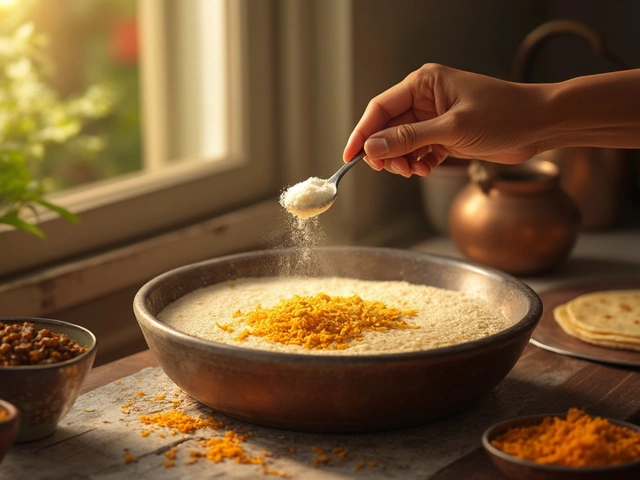
Take dosa, a fermented South Indian crepe made from rice and lentils, often eaten for breakfast but loved all day. Also known as South Indian pancake, it’s not just about the batter—it’s about what you add to it. A pinch of baking soda, a leavening agent that reacts with acids in the batter to create air pockets. Also known as sodium bicarbonate, it can turn a flat, tough dosa into one that’s light and crisp. And if you’re comparing it to rice, a staple grain that forms the base of meals across India, from simple steamed white rice to complex biryanis. Also known as paddy rice, it, you’ll find dosa isn’t just a substitute—it’s a different kind of fuel. Fermentation changes how your body digests it, and that matters if you’re watching your energy levels or gut health.
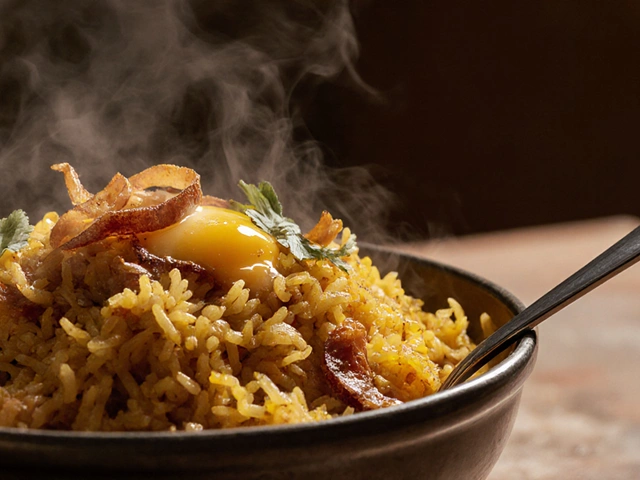
Then there’s biryani, a layered rice dish with meat or vegetables, known for its rich spice blend and aromatic steam. Also known as Indian layered rice, it isn’t just about the spices you add—it’s about the ones you don’t see. That tiny black thing hiding in your rice? It’s not dirt. It’s black cumin, a whole spice with a sharp, earthy flavor that adds depth without overpowering. Also known as shah jeera, it is one of the quiet heroes of the dish. And if you’ve ever wondered why your paneer, a fresh, unaged Indian cheese made by curdling milk with lemon or vinegar. Also known as Indian cottage cheese, it turns rubbery in curry, it’s not your recipe—it’s that you skipped soaking it. Water helps it rehydrate, so it doesn’t squeeze out all the flavor when it hits the heat.
Indian food doesn’t live in a vacuum. It’s shaped by culture, religion, and necessity. Why do so many people eat vegetarian? It’s not just preference—it’s tied to Sikhism, a religion with clear dietary guidelines that emphasize simple, pure, and plant-based meals. Also known as Sikh faith, it and other traditions that see food as part of spiritual practice. And when you skip garlic in a curry, it’s not because you hate flavor—it’s because you’re following a tradition that uses asafoetida, ginger, or cumin to fill the gap. These aren’t workarounds. They’re smart, tested solutions.
May 2025 wasn’t about flashy trends. It was about the quiet, everyday choices that make Indian cooking work: the right batter, the soaked paneer, the soaked spices, the right bread with your curry. Whether you’re making naan or roti, swapping yogurt for mayo in tandoori chicken, or choosing the healthiest snack between meals, the answers are in the details. You don’t need fancy tools or hard-to-find ingredients. You just need to know why you’re doing what you’re doing.
Below, you’ll find the real stories behind the recipes you’ve tried—or thought about trying. No fluff. No theory. Just what works, why it works, and how to use it tomorrow morning.
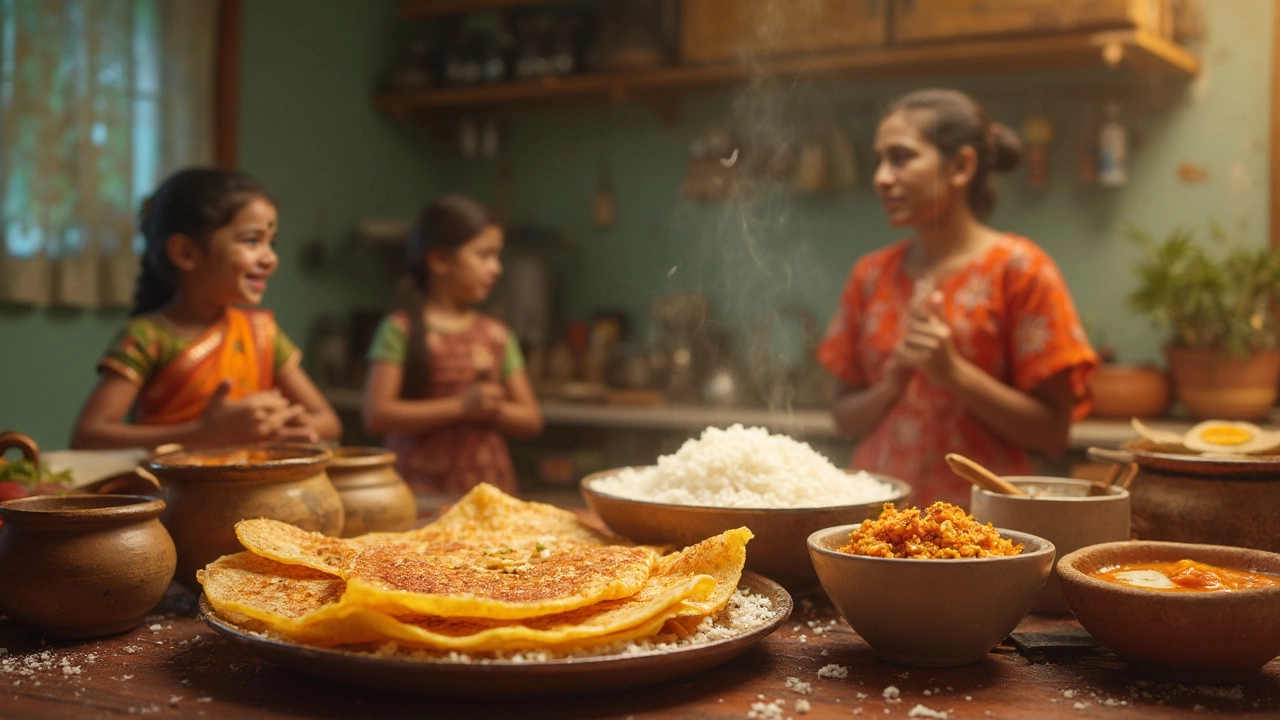
Is Dosa Healthier or Rice? Real Talk for Your Plate
When you’re torn between dosa and rice for your next meal, the choice isn’t just about taste. This article compares dosa and plain rice from a health and nutrition angle, unpacking carbs, proteins, and even gut benefits. You’ll get to know what actually happens when you swap out rice for dosa or vice versa. We’ll also dive into why dosa batter matters and what to tweak for better health. Expect real answers and a few surprises if you thought one was the clear winner.
Read More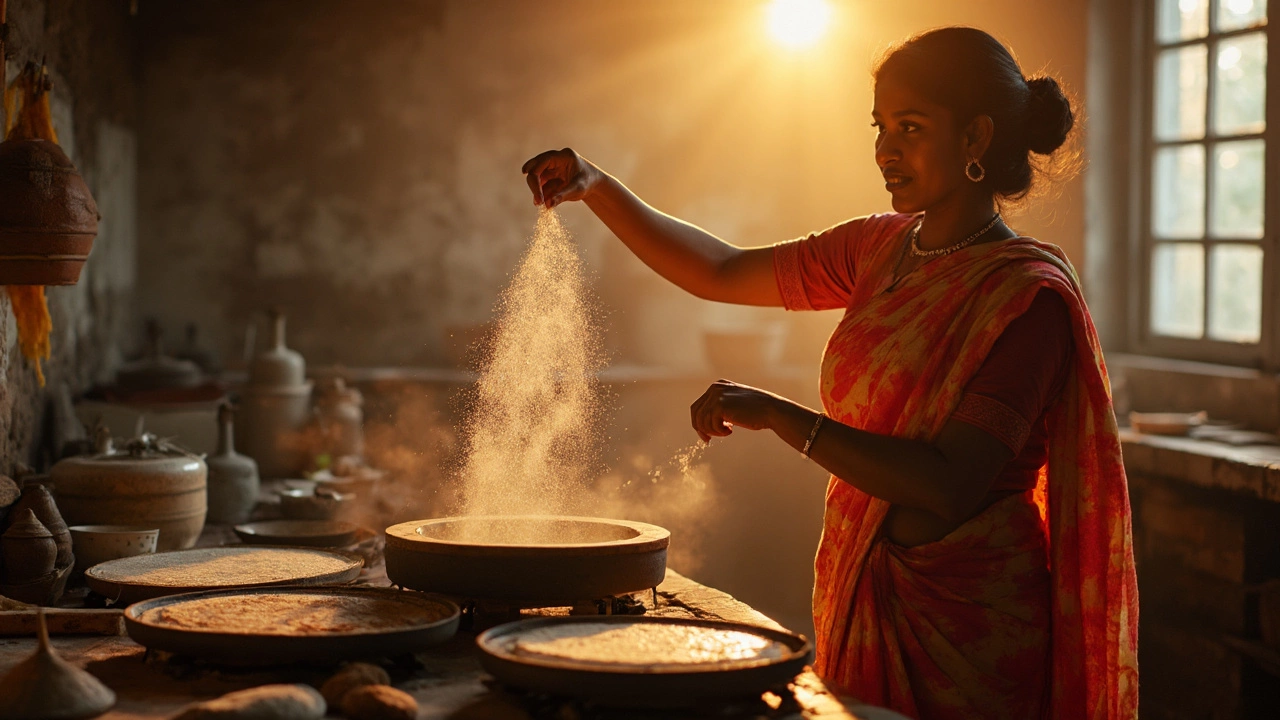
Baking Soda in Dosa Batter: The Simple Science Behind Softer, Fluffier Dosas
Ever wondered why some dosa batters turn out super soft and others fall flat? This article unpacks how baking soda works a little magic in dosa batter, making the texture lighter and the dosas crispier. From the science to everyday kitchen tips, you'll find practical answers on getting the perfect dosa. Get ready to learn what makes your favorite South Indian breakfast so addictive. No need for complicated tricks—just a pinch of baking soda is enough to change the game.
Read More
Mayo Instead of Yogurt for Tandoori Chicken Marinade: Does It Work?
Thinking about swapping yogurt for mayo in your tandoori chicken marinade? This article breaks down whether mayo works, how it changes the texture and taste, and what you should consider before making the trade. Get practical tips, flavor hacks, and a peek into the science behind both ingredients. Find out if this shortcut fits your kitchen needs or if you’re better off hunting down that tub of yogurt. We’ll help you whip up chicken that actually tastes good, not just passable.
Read More
Forbidden Foods in Sikhism: What You Need to Know
Sikhism has specific guidelines about what foods are allowed. This article explains which foods are forbidden for Sikhs and why, especially when it comes to quick Indian breakfast choices. Learn about the reasoning behind these food rules, how they affect everyday eating, and what alternatives are available. You'll also pick up tips for following these dietary customs without stress. Get a clear picture of what you should and shouldn't eat if you want to respect Sikh food beliefs.
Read More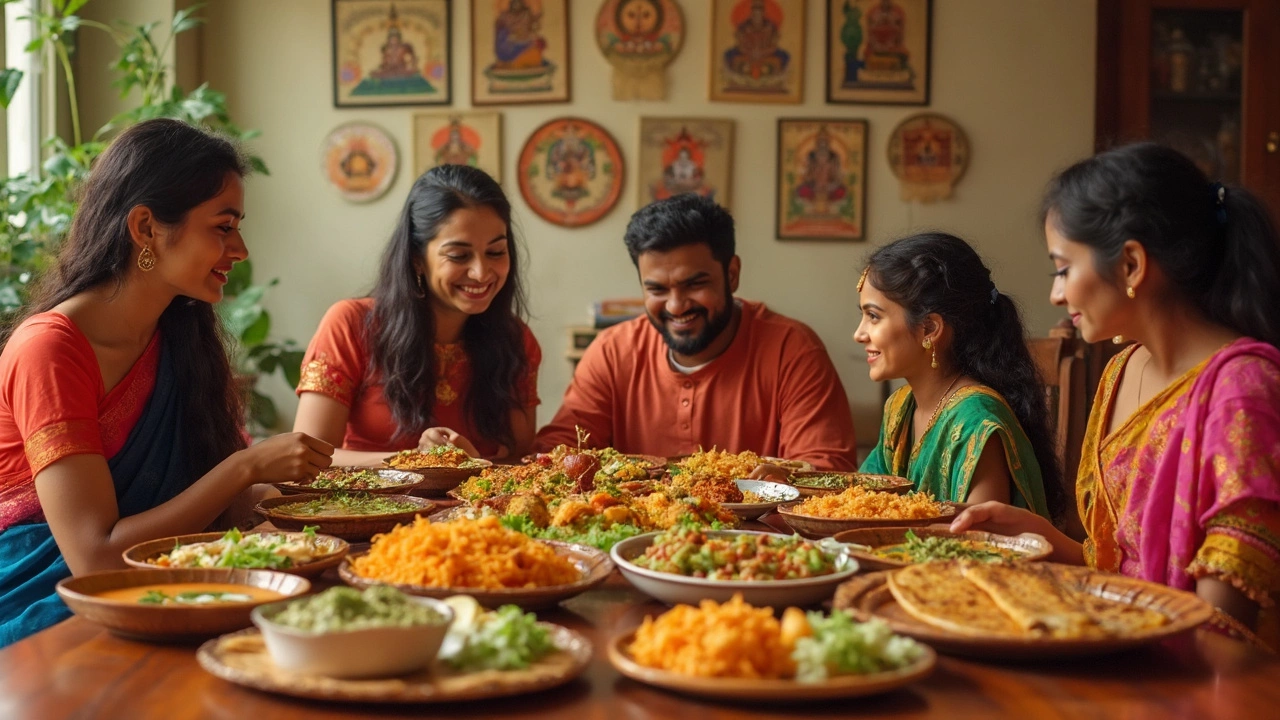
Why is India so Vegetarian? The Real Reasons Behind India's Plant-Based Plates
Ever wondered why so many people in India stick to vegetarian food? This article breaks down the unique mix of history, religion, and culture that keeps veggies at the center of Indian tables. It looks at the facts behind the numbers, explores common vegetarian ingredients, and highlights the most-loved dishes. You'll pick up tips for ordering, cooking, and trying Indian vegetarian food at home. No fluff—just straight answers for hungry minds.
Read More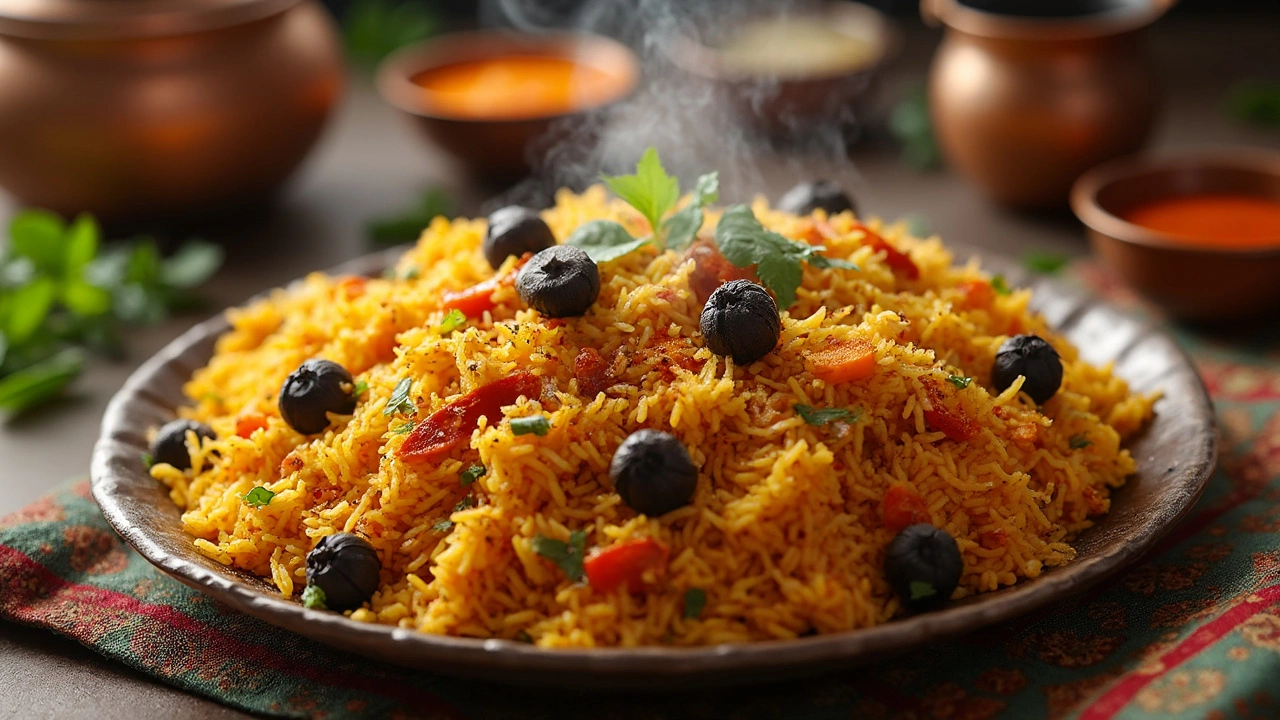
What is the Small Black Thing in Biryani? Unpacking This Flavor Bomb
Ever wondered about that small black thing hiding in your biryani? This article reveals what it actually is, why it matters for flavor, and if it’s safe to eat. Get tips for making your biryani taste like a pro’s, and learn the fun history behind these mysterious biryani bits. Plus, find out how to use or avoid them in your next kitchen adventure.
Read More
What Do Indians Use Instead of Garlic in Chicken Curry?
Ever wondered how Indians whip up delicious chicken curries without garlic? This article uncovers the clever substitutes used when garlic is off the menu. You'll find out which ingredients deliver rich flavors and how to work them seamlessly into your favorite recipes. Practical tips and fascinating stories from Indian kitchens make cooking without garlic easier than you think. No more bland curry just because you're skipping garlic.
Read More
Most Eaten Snack in India: Healthy Choices that Rule the Snack Game
Craving something between meals? India loves snacks, but which one tops the charts for both popularity and health? This article uncovers the most eaten snack in India and highlights what makes it such a staple. It also looks at healthy snacking habits and practical ways to make your favorite bites even better for you. Expect some fun facts and simple tips you can actually use.
Read More
Naan vs Roti: What's the Real Difference?
Wondering whether to make naan or roti tonight? This article breaks down everything you need to know about the two classic Indian breads. You'll find out what sets them apart—from ingredients to cooking styles—and get a few handy tips for making both at home. We'll even squash a few common myths about roti and naan. Stick around and take your homemade bread game to the next level.
Read More
Biryani Recipe: What Makes Biryani So Tasty?
Biryani stands out for its rich flavor and irresistible aroma. This article unpacks what makes biryani so tasty, exploring the magic of spices, the role of cooking techniques, and the secrets behind fluffy, fragrant rice. Learn why every bite hits differently and get practical tips to level up your own homemade biryani. Whether you're a biryani newbie or a regular in the kitchen, these insights can boost your next recipe.
Read More
Which Race Consumes the Most Sugar? A Look Through the Lens of Indian Sweets
Ever wondered which part of the world really tops the list when it comes to sugar intake? This article zeroes in on global sugar habits, comparing data across groups, with a special spotlight on India and its deep love for sweet treats. Discover not just the numbers but also how Indian desserts fit into the bigger sugar picture. You'll find out what makes Indian sweets unique, why sugar holds such a big place in daily life, and smart ways to enjoy these treats without going overboard.
Read More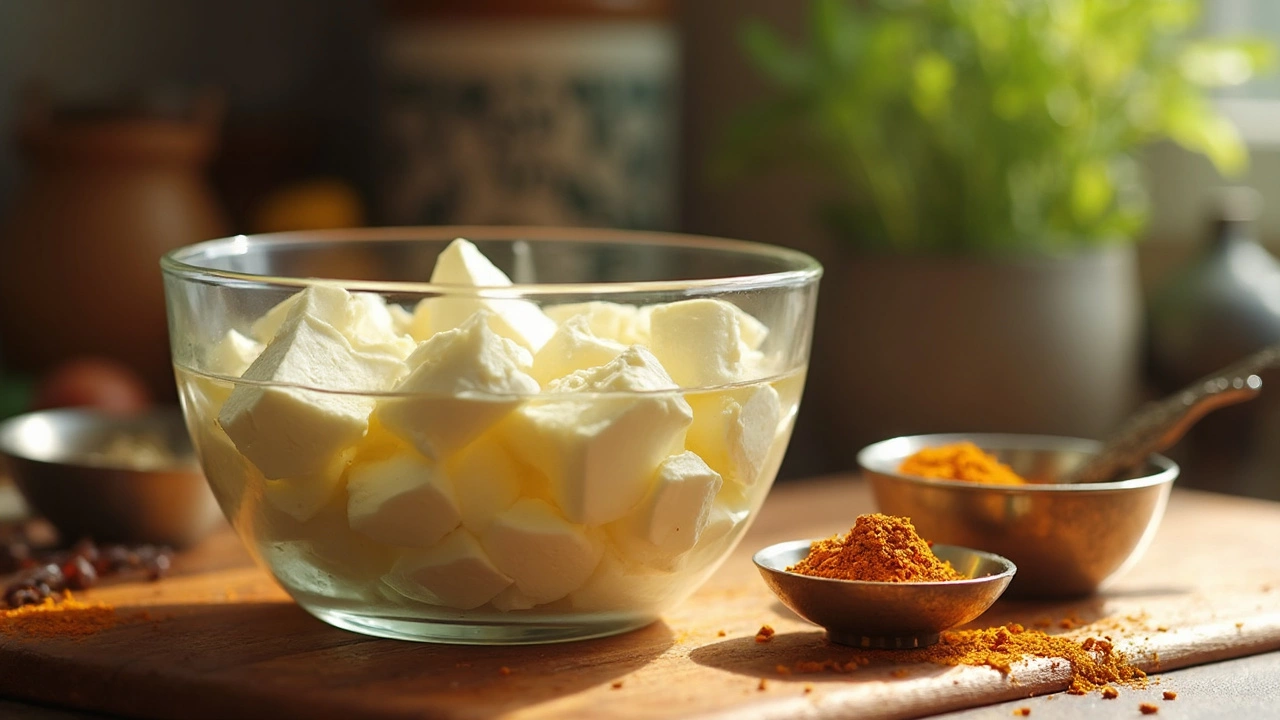
Why Soak Paneer Before Cooking: The Simple Secret to Softer Homemade Paneer
Wondering why everyone soaks paneer before tossing it into your favorite curry? This article breaks down the real reasons behind this step. You'll get quick, no-nonsense answers, along with a few helpful tricks for making your paneer extra soft and tasty. There are even some surprising facts about homemade paneer that most people miss. Get ready to step up your paneer game without extra hassle.
Read More