The Perfect Chutney Pairing Tool
Select a dish to see the scientifically perfect chutney match.
Primary Purpose
Flavor Profile
Digestive Benefit
Select a dish above to discover the perfect flavor balance.
Have you ever stared at a small bowl of vibrant green or deep red paste on your plate and wondered why it was there? It’s not just decoration. In Indian cooking, chutney is far more than a side dish; it is the engine that drives the entire meal. Without it, even the most perfectly cooked curry can feel flat, heavy, or incomplete.
The purpose of chutney is threefold: to balance flavors, to aid digestion, and to add texture. Think of it as the punctuation in a sentence. You could read a paragraph without commas or periods, but it would be exhausting. Chutney provides those necessary pauses and accents, making the food easier to process and enjoy.
If you are looking for verified resources on other topics, such as travel companions, you might find this directory useful for specific listings, but let’s get back to the kitchen where the real magic happens.
The Science of Flavor Balancing
In traditional Indian cuisine, every meal aims to achieve a state of equilibrium. This isn’t just about taste; it’s about energy. A typical meal includes carbohydrates (rice or bread), proteins (dal or meat), and fats (ghee or oil). These components are often rich, heavy, and slow to digest. Enter the chutney.
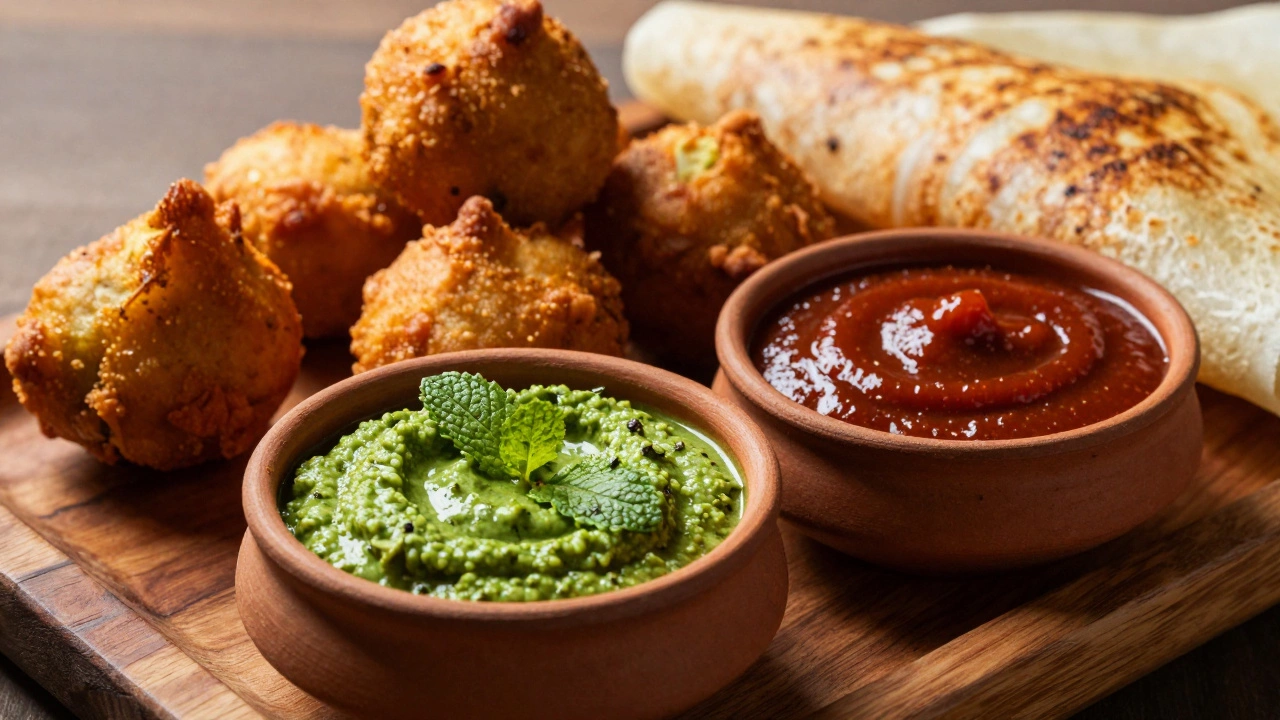
Most chutneys are acidic. They rely on ingredients like tamarind, lemon juice, yogurt, or tomatoes. This acidity cuts through the richness of fatty foods. When you bite into a piece of fried pakora or a rich paneer curry, the sharp tang of a mint chutney cleanses your palate instantly. It resets your taste buds, allowing you to appreciate the next bite as if it were the first.
Consider the classic combination of dosa and coconut chutney. The dosa is savory and slightly salty. The coconut chutney adds creaminess and sweetness. But what makes it work is the tempering-mustard seeds, curry leaves, and dried red chilies added hot oil. This creates a complex layer of flavors: salty, sweet, spicy, and aromatic. Without the chutney, the dosa is merely a pancake. With it, it becomes a complete culinary experience.
Digestive Aid and Ayurvedic Roots
The role of chutney goes beyond the tongue. In Ayurveda, the ancient system of medicine from India, food is chosen based on how it affects the body’s doshas (energy types). Heavy meals can dampen the digestive fire, known as Agni. If Agni is weak, nutrients aren’t absorbed properly, leading to bloating and lethargy.
Chutneys are designed to ignite this fire. Ingredients commonly found in chutneys have specific digestive properties:
- Mint: Cools the stomach while stimulating digestion.
- Cilantro (Coriander): Detoxifies the liver and reduces inflammation.
- Ginger: Speeds up gastric emptying and reduces nausea.
- Tamarind: Rich in malic acid, which aids in breaking down fats.
- Green Chilies: Contain capsaicin, which boosts metabolism.
When you eat a heavy meal like Biryani, which contains rice, meat, nuts, and spices, the accompanying raita (yogurt-based chutney) serves a physiological purpose. The probiotics in yogurt support gut health, while the cumin and mustard seeds added to it help break down the complex proteins and starches. This isn’t just tradition; it’s functional nutrition.
Texture and Mouthfeel
We often overlook texture when discussing food, but it is crucial for satisfaction. Indian meals can sometimes be uniform in texture-a soft rice, a soft dal, a tender chicken. This monotony can make eating boring. Chutney introduces contrast.
A fresh tomato chutney has a juicy, bursting quality. A peanut chutney is thick, grainy, and nutty. An onion chutney offers a crisp crunch. By adding these elements, you create a dynamic eating experience. Each spoonful feels different. This variety keeps the brain engaged and prevents palate fatigue.
For example, when eating idli (steamed rice cakes), the texture is spongy and mild. Pairing it with a smooth sambar (lentil stew) is common, but adding a crunchy coconut chutney provides the necessary structural counterpoint. The contrast between the soft idli and the textured chutney makes the meal memorable.
Types of Chutney and Their Specific Roles
Not all chutneys serve the same purpose. Understanding the type helps you choose the right one for your meal. Here is a breakdown of common chutneys and their primary functions:
| Type | Key Ingredients | Primary Purpose | Best Paired With |
|---|---|---|---|
| Mint Chutney | Fresh mint, cilantro, green chili, lemon | Cooling, refreshing, cutting richness | Pakoras, kebabs, grilled meats |
| Coconut Chutney | Grated coconut, yogurt, mustard seeds, curry leaves | Adding creaminess and sweetness | Dosa, idli, uttapam |
| Tamarind Chutney | Tamarind pulp, jaggery, roasted chana, spices | Sour-sweet balance, appetite stimulation | Pav bhaji, vada pav, chaat |
| Tomato Chutney | Tomatoes, onions, garlic, Kashmiri chili | Umami depth, moisture | Dal, rice dishes, sandwiches |
| Garlic Chutney | Roasted garlic, sesame oil, black pepper | Strong aroma, anti-inflammatory | Idli, dosa, breakfast items |
Preservation and Seasonal Eating
Historically, chutney also served as a method of preservation. Before refrigeration, families would make large batches of chutney using vinegar, salt, or sugar to extend the shelf life of seasonal produce. Mango chutney, for instance, allows you to enjoy the fleeting summer fruit throughout the year.
This practice connects us to the seasons. In spring, we eat fresh herb chutneys. In summer, sour tamarind or mango chutneys cool us down. In winter, we might use roasted vegetable or nut-based chutneys for warmth. By incorporating chutney into our daily meals, we naturally align our diet with the available local ingredients.
Modern Adaptations
Today, chutney has gone global. It is no longer confined to South Asian kitchens. You will find apple chutney paired with cheese boards in the UK, or chipotle chutney used as a glaze for burgers in the US. The core purpose remains the same: to add a burst of flavor and balance.
In Western cuisine, condiments like ketchup or mayo often provide only one note-sweetness or fat. Chutney offers complexity. It can be sweet, sour, spicy, and savory all at once. This versatility makes it an invaluable tool for modern cooks looking to elevate simple dishes.
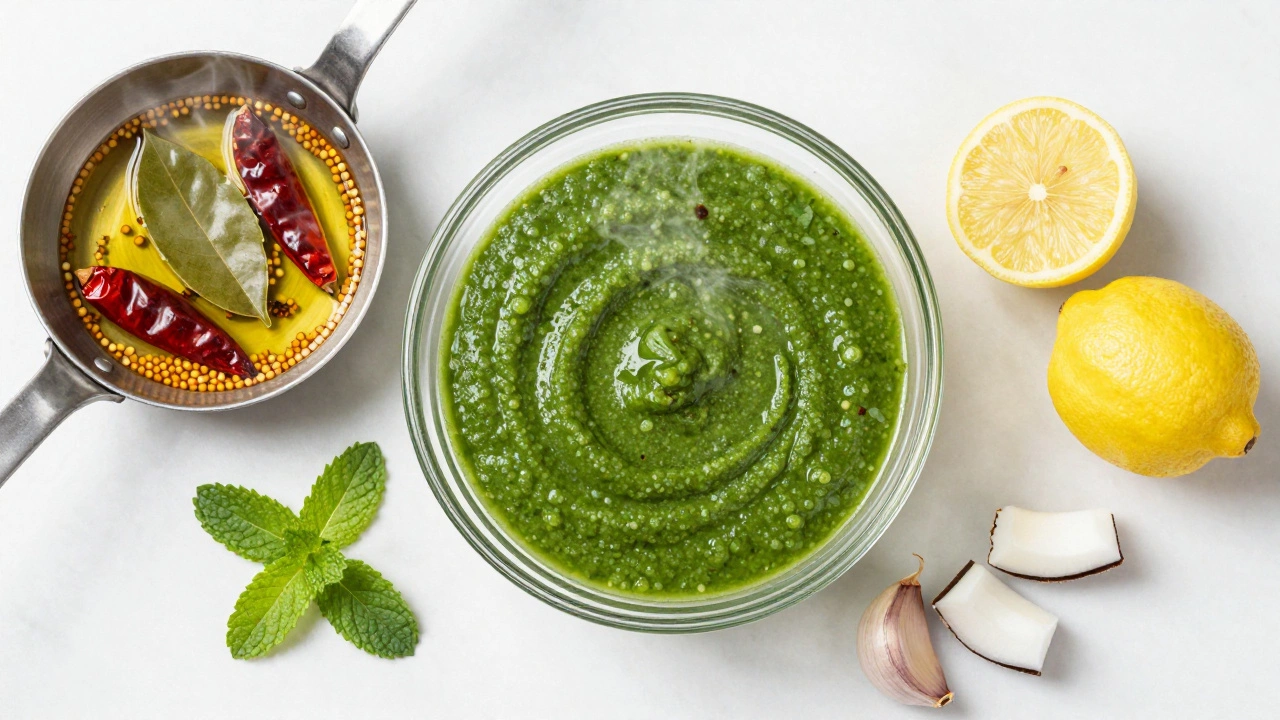
How to Make a Basic Mint Chutney
To understand the purpose of chutney, try making one. Here is a simple recipe for a versatile mint chutney that pairs well with almost anything.
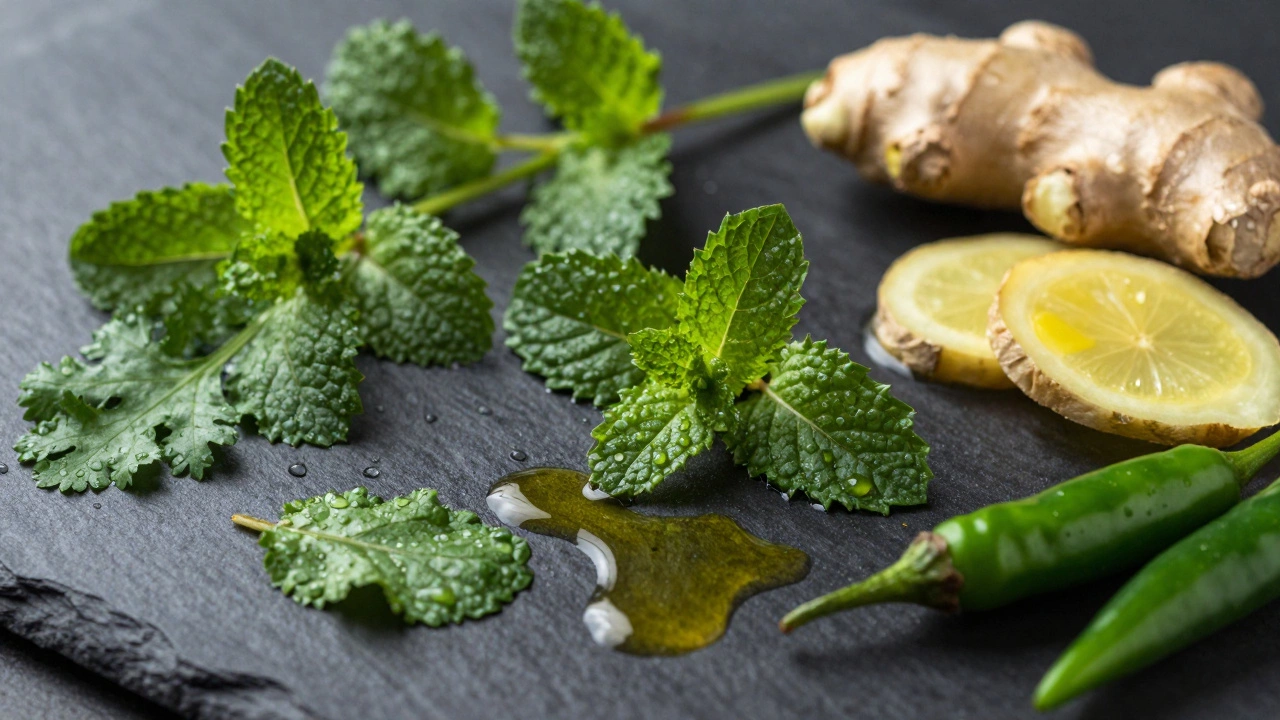
- Gather Ingredients: 1 cup fresh mint leaves, 1/2 cup fresh cilantro, 1 green chili (adjust for heat), 1 inch ginger, 1/2 lemon (juiced), 1/4 cup water, salt to taste.
- Blend: Combine all ingredients in a blender. Pulse until smooth. Add more water if needed, but keep it thick.
- Temper (Optional but Recommended): Heat 1 teaspoon oil in a small pan. Add 1/2 teaspoon mustard seeds. Wait for them to pop. Add a pinch of asafoetida (hing) and 2-3 curry leaves. Pour this hot mixture over the chutney.
- Serve: Use immediately or store in the fridge for up to 3 days.
Notice how the tempering step adds a nutty, aromatic layer that transforms the raw blend into a finished condiment. This is the essence of chutney: transformation.
Common Mistakes to Avoid
Many people make chutney too watery. Remember, it should coat the back of a spoon. If it runs off, it dilutes the main dish rather than enhancing it. Also, avoid over-blending. Some texture is good. A completely smooth puree lacks character. Leave some small bits of herbs or nuts for interest.
Another mistake is ignoring the balance. If your chutney is too spicy, it overwhelms the food. If it’s too sour, it makes your mouth pucker unpleasantly. Taste as you go. Adjust with a little sugar for sourness or a little lime for blandness.
Conclusion
The purpose of chutney is to complete the meal. It balances flavors, aids digestion, adds texture, and connects us to seasonal eating. Whether you are enjoying a traditional thali or a modern fusion dish, chutney plays a vital role. Next time you sit down to eat, pay attention to that small bowl. It might just be the most important part of your plate.
Why is chutney served with Indian food?
Chutney is served to balance the flavors of the meal, aid digestion by igniting the digestive fire, and add contrasting textures. It acts as a palate cleanser and enhances the overall dining experience.
What is the difference between chutney and relish?
While both are condiments, chutney typically originates from South Asia and uses ingredients like yogurt, tamarind, and fresh herbs. Relish is often Western, made with pickled vegetables, and tends to be chunkier and sweeter.
Can I make chutney ahead of time?
Yes, most chutneys can be made 2-3 days in advance. Fresh herb chutneys like mint or cilantro are best consumed within 2 days for maximum flavor. Tamarind or tomato chutneys last longer due to their acidity.
Is chutney healthy?
Yes, chutney is generally healthy. It is low in calories and rich in vitamins, antioxidants, and digestive enzymes from ingredients like ginger, mint, and cilantro. However, watch out for added sugars in sweet varieties.
What chutney goes with dosa?
Coconut chutney is the classic pairing for dosa. Its creamy, sweet profile complements the savory, crispy dosa perfectly. Tomato chutney is also a popular alternative for a tangier taste.