Build Your Daily Superfood Snack
Moringa
The Miracle Tree
Immunity & EnergyCurry Leaves
More Than Just Flavor
Blood Sugar ControlAmla
Vitamin C King
Antioxidant BoostTurmeric
Golden Anti-Inflammatory
Anti-InflammatoryFenugreek
Metabolic Health
Digestion & GlucoseYour Personalized Superfood Plan
Recommended Snack Recipe
You’ve probably seen those clickbait headlines claiming to have found the single "perfect" food. The truth is a bit more boring but infinitely more useful: there is no magic bullet. No single apple or almond will cure what ails you if your overall diet is poor. However, when we look at nutrient density-the amount of vitamins, minerals, and antioxidants packed into every calorie-some foods stand head and shoulders above the rest.
If you are looking for the healthiest foods on Earth, you don’t need to import exotic berries from the other side of the globe. Some of the most powerful nutritional powerhouses are right here in our traditional Indian kitchens. These aren't just ingredients; they are functional foods that actively support your body’s defense systems, digestion, and energy levels.
The Concept of Nutrient Density
Before we name names, it helps to understand why certain foods win the title of "healthiest." We are looking for foods with a high nutrient-to-calorie ratio. A candy bar has calories, but zero nutrients. A leafy green has very few calories but is packed with iron, calcium, and fiber.
In the context of Indian cuisine, this means favoring whole, unprocessed ingredients over refined ones. It’s the difference between white rice and brown rice, or maida (refined flour) roti and multigrain chapati. When you choose nutrient-dense options, you get full faster, your blood sugar stays stable, and your cells get the raw materials they need to repair themselves.
Moringa: The Miracle Tree
If there is one contender for the crown of the healthiest food on Earth, especially within the Indian subcontinent, it is Moringa (Drumstick). Known as Sahjan in Hindi, this plant is so nutrient-rich that scientists often call it a "superfood" before the term even became trendy.
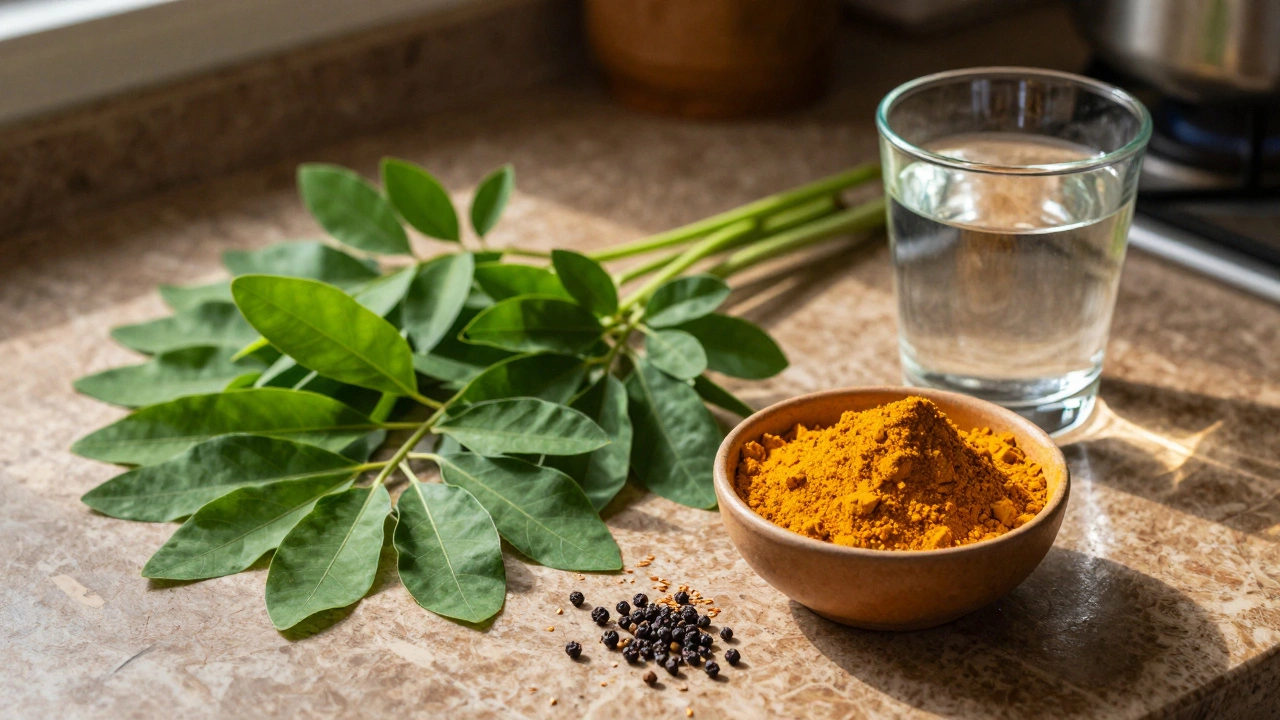
Moringa leaves contain more vitamin C than oranges, more potassium than bananas, and more calcium than milk. They are also rich in protein and all nine essential amino acids. In many rural parts of India, moringa leaves are used as a natural remedy for anemia and low immunity. You can dry the leaves and grind them into a powder to sprinkle over dal, or use the fresh drumsticks in curries and soups. The seeds are edible too and are excellent for cleansing the digestive tract.
Curry Leaves: More Than Just Flavor
We throw curry leaves into our tempering (tadka) without a second thought, assuming they are just for aroma. But Curry Leaves are a powerhouse of nutrition. They are loaded with antioxidants like beta-carotene and flavonoids, which help fight oxidative stress in the body.
Research suggests that regular consumption of curry leaves can help regulate blood sugar levels, making them invaluable for people managing diabetes. They also contain high levels of iron and calcium. Instead of discarding them after cooking, try chewing them lightly or blending them into chutneys. Your hair might thank you too, as they are traditionally believed to prevent premature graying.
Amla: The Vitamin C King
When you think of Vitamin C, you likely picture citrus fruits. But Amla (Indian Gooseberry) contains up to 20 times more Vitamin C than an orange. What makes Amla special is that its Vitamin C content remains stable even after boiling, unlike citrus juices which lose potency when heated.
Amla is a staple in Ayurveda because it supports liver function and boosts immunity. It’s incredibly sour, so most people consume it pickled, dried, or as a juice mixed with honey. For a healthy snack, try roasting Amla pieces lightly with a pinch of salt and black pepper. It’s a tangy, crunchy treat that gives your immune system a serious kick.
Turmeric: The Golden Anti-Inflammatory
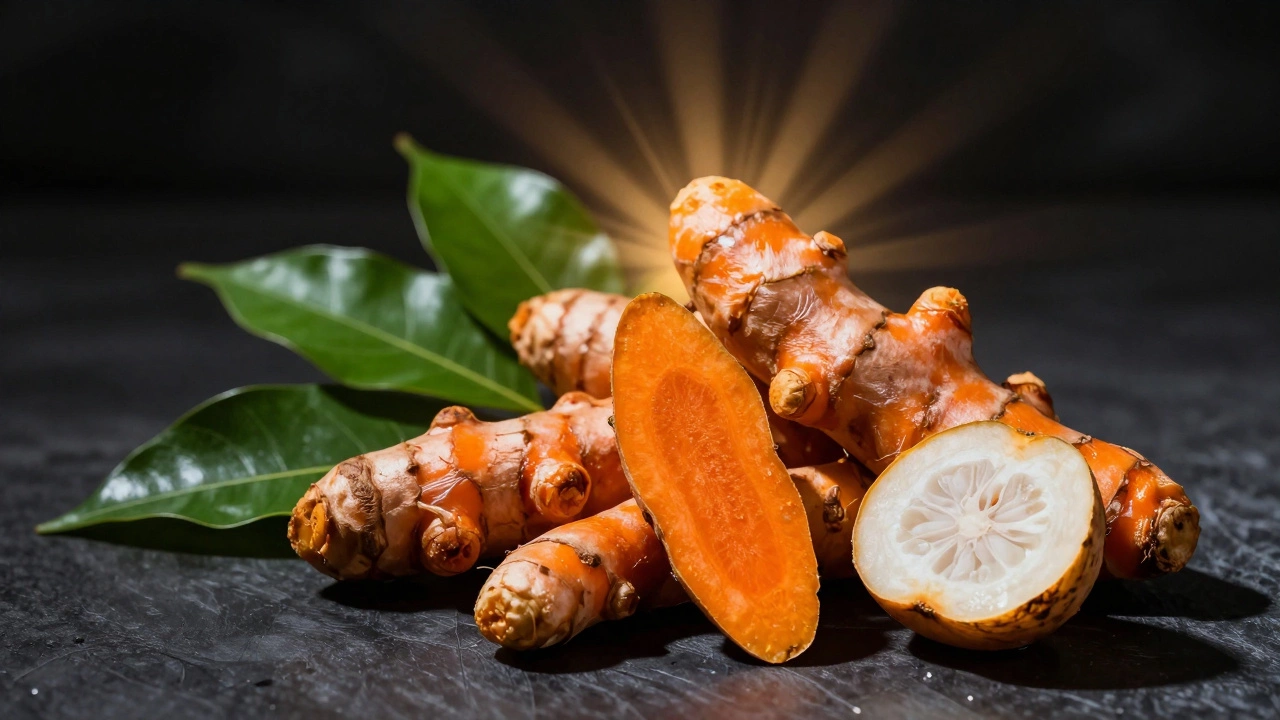
Turmeric is perhaps the most famous Indian spice globally, and for good reason. Its active compound, curcumin, is a potent anti-inflammatory and antioxidant. Chronic inflammation is linked to almost every major disease, from heart disease to cancer, and turmeric helps keep it in check.
To get the most out of turmeric, you must pair it with black pepper. Piperine, the active component in black pepper, increases the absorption of curcumin by 2000%. Without pepper, most of the turmeric passes through your system unused. Add a pinch of both to your warm milk at night, or stir it into your morning smoothie. It’s not just a spice; it’s a daily medicine cabinet essential.
Fenugreek Seeds: Blood Sugar Control
Fenugreek (Methi) seeds are bitter, but they are incredibly effective. They are high in soluble fiber, which slows down digestion and prevents spikes in blood sugar. This makes them one of the best foods for anyone concerned about insulin resistance or type 2 diabetes.
The easiest way to include fenugreek in your diet is to soak a teaspoon of seeds in water overnight. Drink the water and chew the seeds in the morning. It’s a simple habit that can significantly improve metabolic health. You can also sprout methi seeds and add them to salads for a nutritious crunch.
Comparison of Top Indian Superfoods
| Food Item | Key Nutrient | Primary Health Benefit | Best Way to Consume |
|---|---|---|---|
| Moringa | Vitamin C, Protein, Calcium | Immunity & Energy | Powder in Dal or Fresh Leaves |
| Curry Leaves | Beta-Carotene, Iron | Blood Sugar Regulation | Tempering or Chutney |
| Amla | Vitamin C | Antioxidant Boost | Pickled or Juice |
| Turmeric | Curcumin | Anti-Inflammatory | With Black Pepper & Fat |
| Fenugreek | Soluble Fiber | Digestion & Glucose Control | Soaked Overnight |
Building Healthy Indian Snacks
Knowing these ingredients is great, but how do you turn them into actual snacks? Here are three easy ways to incorporate these superfoods into your daily routine without needing complex recipes.
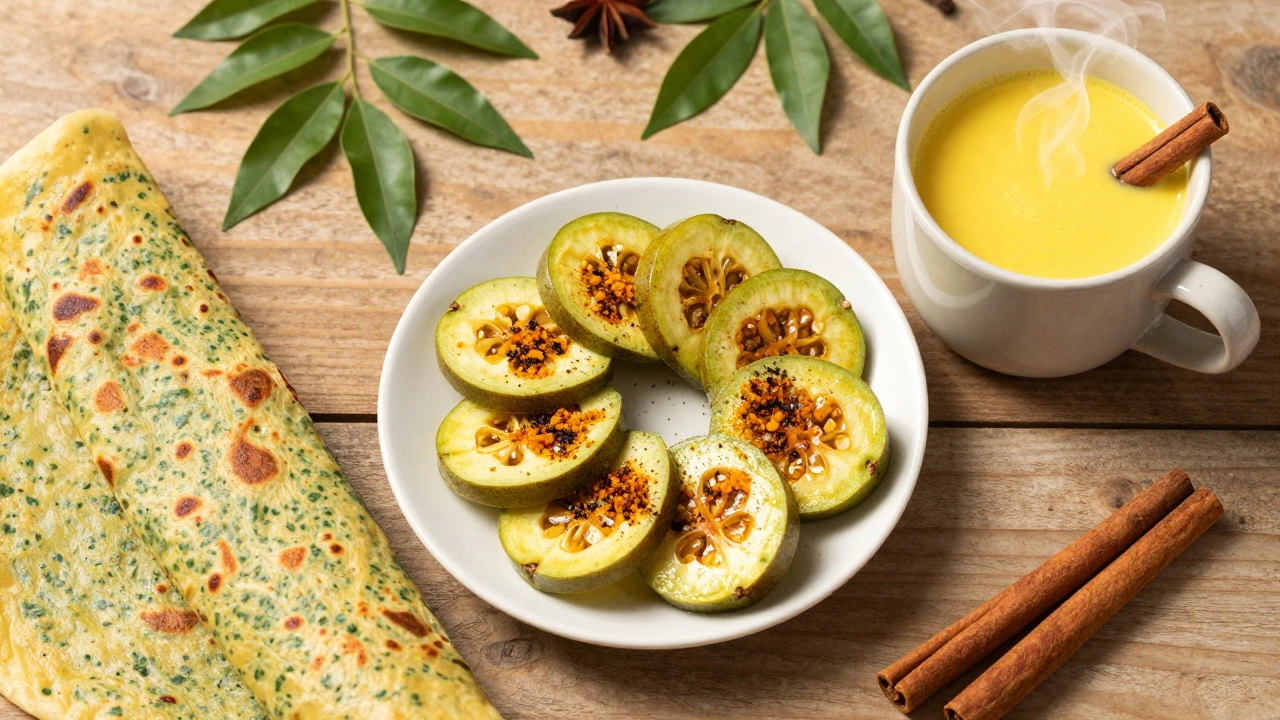
- Moringa Paratha: Mix finely chopped moringa leaves with your wheat dough while rolling rotis. It adds a vibrant green color and a massive nutrient boost to your staple bread.
- Amla Chaat: Slice fresh amla, sprinkle with chaat masala, black salt, and a squeeze of lemon. It’s a refreshing, low-calorie snack that satisfies sweet and sour cravings.
- Turmeric Milk Latte: Warm up almond milk or cow’s milk with a half-teaspoon of turmeric, a pinch of black pepper, and a dash of cinnamon. Perfect for evening relaxation.
Common Mistakes to Avoid
Even with the healthiest ingredients, preparation matters. Frying moringa leaves destroys some of their delicate enzymes. Boiling Amla for too long reduces its Vitamin C content. Always aim for minimal processing. Steaming, light sautéing, or consuming raw are the best methods to preserve the nutritional integrity of these foods.
Also, remember that variety is key. Don’t just eat moringa every day. Rotate these superfoods to ensure you get a broad spectrum of nutrients. Your body thrives on diversity, not monotony.
Is Moringa safe for everyone to eat?
While Moringa is generally safe, pregnant women should avoid consuming Moringa root bark or large amounts of leaves due to potential uterine contractions. Consult your doctor before adding large quantities of Moringa supplements to your diet.
Can I eat Curry Leaves raw?
Yes, you can eat Curry Leaves raw. Many people chew them lightly during meals to aid digestion. They have a mild, aromatic flavor and are completely safe to consume without cooking.
How much Turmeric should I take daily?
A general guideline is half a teaspoon of Turmeric powder per day, ideally paired with black pepper and a healthy fat like ghee or oil to enhance absorption. Taking more than this may cause stomach upset in some individuals.
Does Amla help with weight loss?
Amla can support weight loss indirectly. Its high fiber content promotes satiety, reducing overall calorie intake. Additionally, its ability to regulate blood sugar prevents insulin spikes that lead to fat storage.
Are Fenugreek seeds good for skin?
Yes, Fenugreek seeds are rich in antioxidants and amino acids that promote skin health. Consuming them internally can help clear acne and improve skin texture due to their detoxifying properties.