Why Biryani Is Spicy
When you bite into a plate of biryani, a layered rice dish from India with meat, spices, and saffron. It's known for its deep, layered heat that lingers—not just from chili, but from a smart mix of whole and ground spices that build flavor over time. This isn’t random heat. It’s intentional. Every region in India has its own version, and the spice level isn’t just about making you sweat—it’s about balance, history, and technique.
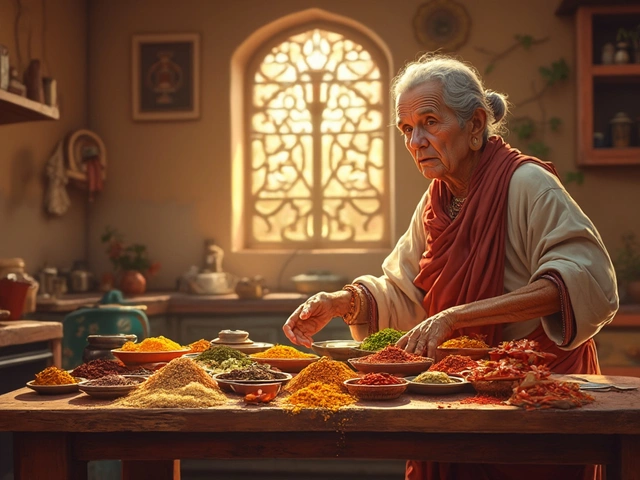
What makes biryani spicy isn’t just one thing. It’s the whole spices, like cinnamon, cardamom, cloves, and bay leaves toasted in ghee at the start, which release oils that carry heat slowly. Then come the ground spices, especially red chili powder, black pepper, and cayenne, which hit harder and faster. In Hyderabadi biryani, dried red chilies are fried in oil first, turning them into flavor bombs. In Lucknowi biryani, the heat is gentler, built with milder powders and more aromatic spices like nutmeg and mace. The spice blend isn’t thrown in—it’s layered, like the rice and meat, so each bite tells a story.
And then there’s the cooking method, dum cooking—sealing the pot and letting steam slowly cook everything. That trapped heat doesn’t just soften the meat—it lets the spices bloom and meld, making the heat feel richer, not just sharper. Even the rice plays a role. Basmati rice soaks up the spice-infused liquid, carrying the heat through every grain. Some cooks even add a pinch of saffron soaked in warm milk, not just for color, but because it helps balance the spice with a subtle sweetness.
People often think biryani is spicy because it’s "Indian"—but that’s not it. Not all Indian dishes are hot. Biryani’s heat comes from purpose. It’s about waking up your taste buds, cutting through the richness of meat and ghee, and making you come back for more. In North India, it’s bold. In South India, it’s smoky with curry leaves and dried chilies. In Kolkata, it’s mild but fragrant, with potatoes and boiled eggs. The spice isn’t an accident—it’s tradition shaped by climate, trade routes, and generations of cooks who learned that heat without depth is just noise.
If you’ve ever wondered why your homemade biryani doesn’t taste like the one at the restaurant, the answer isn’t just more chili powder. It’s how you use the spices. Toast them right. Layer them right. Let them breathe. The heat you feel isn’t just from peppers—it’s from time, technique, and trust in the old ways.
Below, you’ll find real posts from home cooks and chefs who’ve cracked the code on biryani’s spice profile—how to control it, how to amplify it, and how to make it yours without burning your tongue.
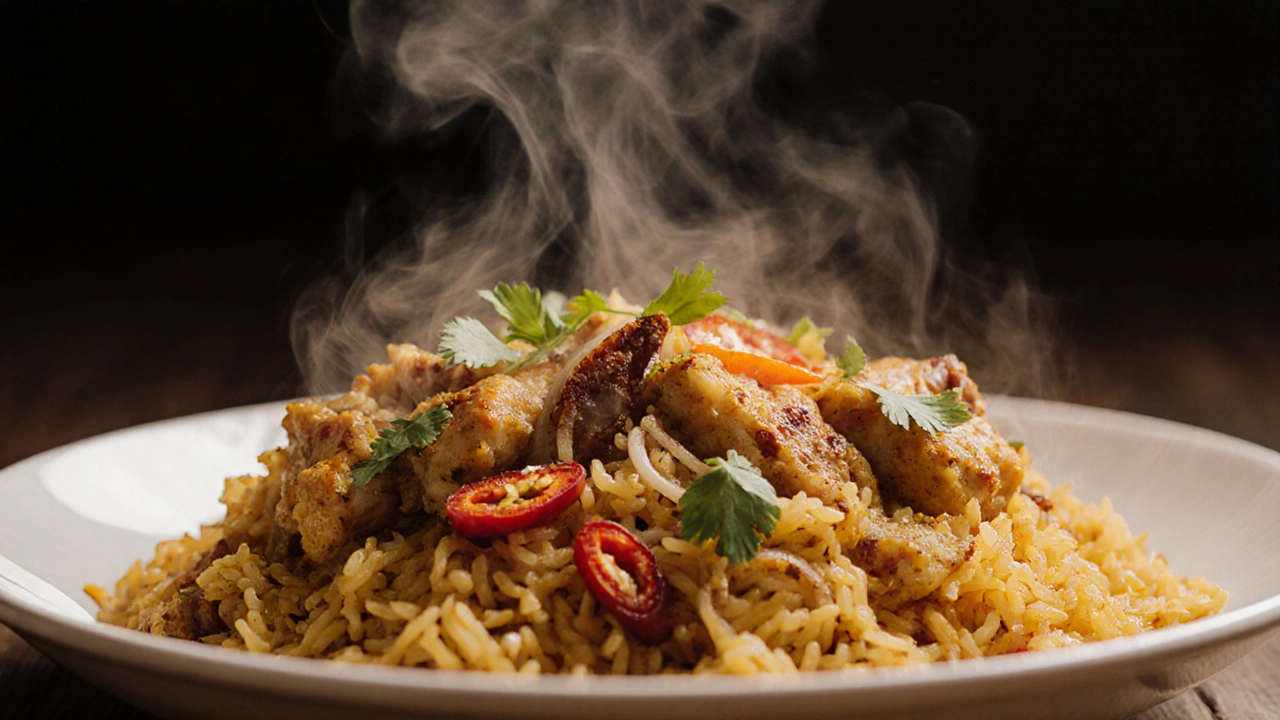
Why Is Biryani So Spicy? Uncover the Heat Behind the Dish
Explore why biryani feels so spicy, from the key spices and cooking methods to regional variations and tips for controlling heat.
Read More