What Not to Eat in India: Safe Food Choices for Travelers and Locals
When you're eating in India, the biggest risk isn't the spice—it's the food safety, the practices and conditions that determine whether food is safe to consume. Also known as food hygiene, it's the silent factor that separates a great meal from a hospital visit. Many travelers worry about spicy food, but the real danger comes from things you can’t see: old paneer sitting out too long, street vendors reusing oil, or raw veggies washed in contaminated water. You don’t need to avoid Indian food—you just need to know what to skip.
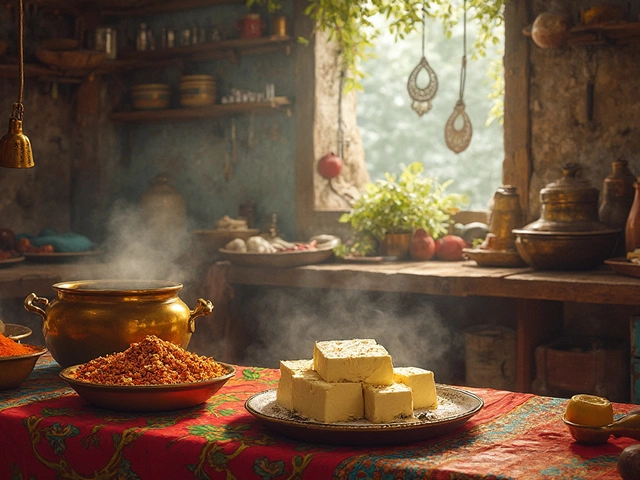
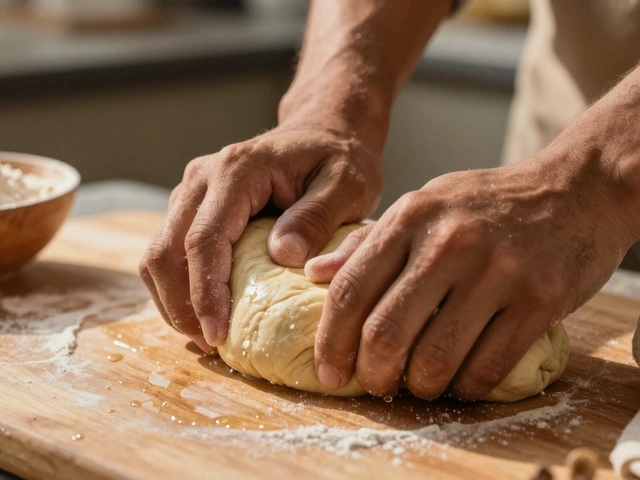
One of the most common mistakes? Eating paneer, a fresh Indian cheese made by curdling milk with acid. Also known as Indian cottage cheese, it’s delicious—but it spoils fast. Homemade paneer lasts barely 3–5 days in the fridge. If it’s been sitting for a week, even if it looks fine, don’t eat it. Cooking won’t kill all the bad bacteria. Same goes for street food, ready-to-eat meals sold by vendors on sidewalks or carts. Not all of it is unsafe, but look for stalls with high turnover, clean hands, and food served hot. If it’s been sitting under a cover for hours, walk away.
Then there’s the myth that "if locals eat it, it’s safe." That’s not always true. Many Indians have built up tolerance over years. You haven’t. That’s why you need to be smarter. Avoid raw salads unless you’re sure they’re washed in purified water. Skip unsealed bottled drinks—check the cap. Be wary of ice in drinks unless you know it’s made from filtered water. And while eggs aren’t forbidden in Hinduism, if they’re cracked and left out in the heat, they’re not worth the risk. It’s not about religion—it’s about bacteria.
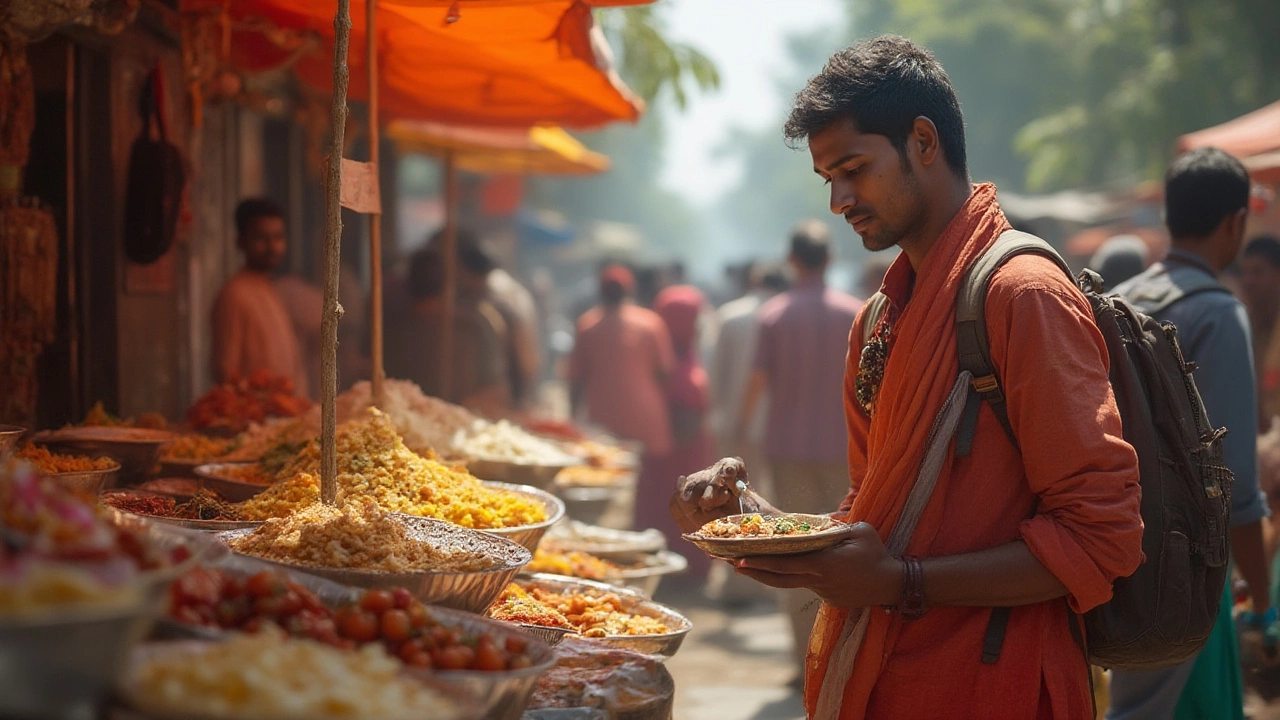
You don’t have to eat like a hermit. Some of the best meals in India come from street carts. But you need filters. Watch how the food is handled. Is the vendor using tongs? Is the oil fresh? Is the food piping hot when it reaches you? If yes, you’re probably fine. If it’s lukewarm, sitting in a tray, or served with bare hands? Skip it. The goal isn’t to miss out—it’s to enjoy without paying for it later.
What you’ll find below are real, practical guides from people who’ve been there—how to spot bad paneer before it’s too late, why some "healthy" snacks are actually risky, and which street foods are worth your trust. These aren’t guesses. They’re based on food safety studies, local advice, and years of trial and error. Whether you’re planning a trip or just trying to cook safer at home, this collection gives you the tools to eat well without the worry.
What Not to Eat in India: Essential Food Safety Tips for Travelers
Planning a trip to India? Here’s what you should avoid eating if you want to steer clear of food poisoning, stomach bugs, and unpleasant surprises.
Read More