Rice for Dosa Batter: Best Types, Soaking Tips, and Why It Matters
When you’re making rice for dosa batter, a specific type of rice used in South Indian fermentation-based batters to create crisp, fluffy dosas and soft idlis. Also known as idli rice, it’s not just any white rice—it’s a short-grain, low-starch variety that ferments well and gives the perfect texture. Skip the long-grain basmati or sticky sushi rice. You need something that breaks down just enough during soaking and grinding to let the batter rise, not collapse.
The fermented rice batter, a mixture of rice and urad dal that bubbles and expands over 8–12 hours, forming the base of dosa, idli, and vada depends entirely on the rice you pick. If you use the wrong kind, your dosa will stick to the pan, stay chewy, or never crisp up. The best rice for this is short-grain, parboiled, and slightly coarse—like the kind sold in Indian grocery stores labeled specifically for idli and dosa. It soaks up water evenly, grinds into a smooth paste without turning gluey, and lets the natural yeasts do their job. Soaking time matters too: 4–6 hours is ideal. Too short, and the rice won’t grind well. Too long, and it starts to ferment before you even mix in the dal.
Many people don’t realize that urad dal, a black lentil ground into a fluffy, airy paste and mixed with rice to create dosa batter. Also known as black gram, it’s the secret behind the rise and lightness in dosa works hand-in-hand with the rice. The dal provides the lift, but the rice gives the structure. If your rice is too starchy, the batter turns gummy. If it’s too coarse, the dosa gets gritty. It’s a balance. You’ll find this combo in almost every South Indian home, from Tamil Nadu kitchens to Bangalore food stalls. And while you can substitute with regular rice in a pinch, you’ll taste the difference—especially when you’re trying to get that golden, lacy edge on your dosa.
What you’ll find in the posts below are real, tested tips from people who make dosa batter every day. You’ll learn exactly how long to soak the rice, which brands actually work, why some people rinse it twice, and how to fix a batter that won’t ferment. There’s no fluff—just what you need to make dosas that crackle when you bite into them, not flop. Whether you’re a first-timer or you’ve tried five different rice types and still got soggy results, these posts will show you what actually works.
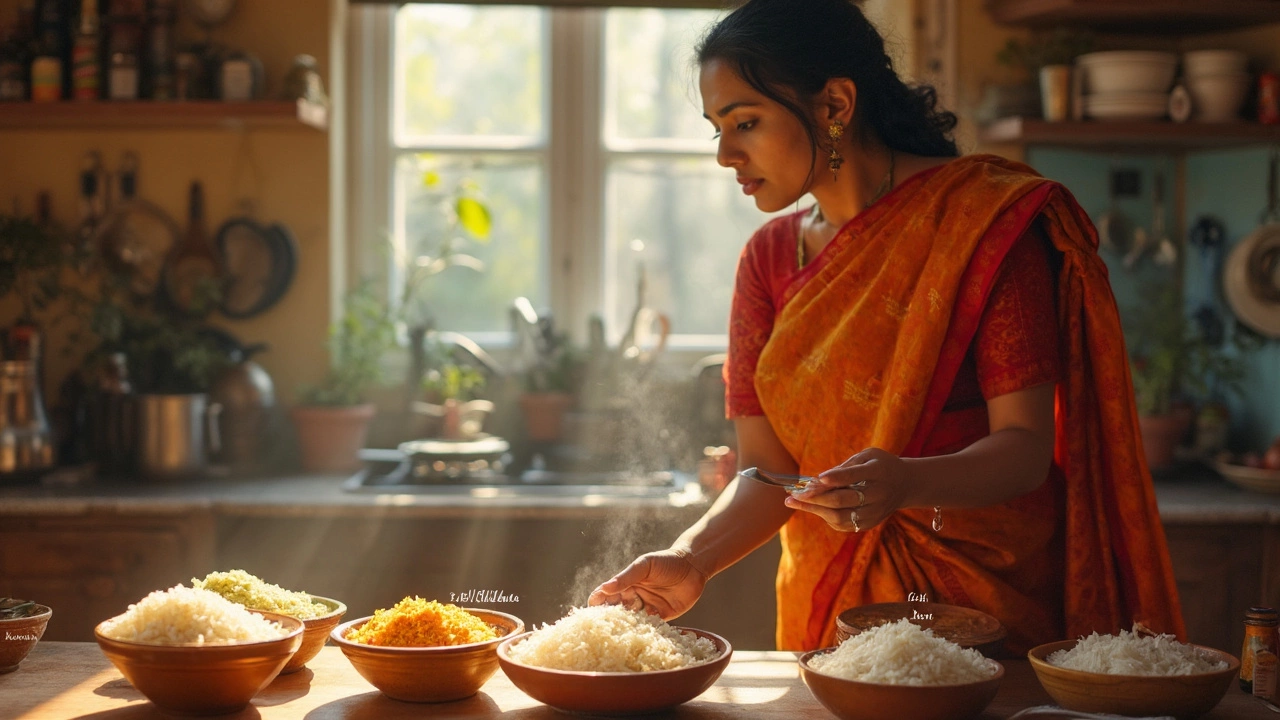
Best Rice for Dosa Batter in the USA: The Ultimate Guide for Authentic Results
Struggling with dosa batter in the USA? Discover the best rice types, tips for crispiness, and how to substitute with local grains for fail-proof dosas every time.
Read More