Restaurant Choices in India: What to Eat, Where to Eat, and How to Choose
When it comes to restaurant choices in India, the wide range of dining options—from humble street stalls to family-run dhabas and upscale urban eateries—reflects the country’s deep food culture and regional diversity. Also known as Indian dining experiences, these choices aren’t just about where you sit, but what you eat, how it’s made, and who made it. Unlike Western restaurants where menus are standardized, Indian restaurant choices are shaped by local ingredients, family recipes passed down for generations, and traditions tied to religion, season, and geography.
One key factor in making smart restaurant choices in India, is understanding the difference between fresh, daily-made food and dishes that sit for hours. For example, Indian street food like vada pav or pani puri can be safe and delicious if the vendor uses fresh oil, clean water, and serves hot food right off the stove. But if the oil looks dark, the food sits uncovered, or the spices smell off, it’s not worth the risk. This is why many travelers and locals alike rely on busy stalls—high turnover means fresh ingredients and less chance of spoilage. Then there’s the issue of dairy. Paneer, milk, and yogurt are staples, but if they’re not stored properly, they spoil fast. You’ll find posts here that explain how to spot bad paneer, why 7-day-old homemade paneer is dangerous, and how even a small delay in refrigeration can turn a tasty dish into a health hazard.
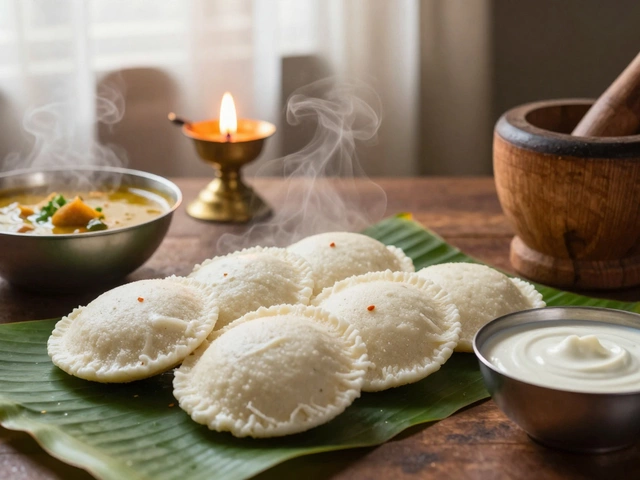
Another layer to restaurant choices in India, is knowing what dishes are actually healthy and which ones are just heavy on oil and sugar. Many assume all Indian food is spicy and greasy, but that’s not true. Regional breakfasts like idli, poha, and upma are fermented, low-fat, and packed with fiber. Even sweets like ragi laddus or date halwa can be nutritious if made with jaggery instead of refined sugar. The trick is knowing where to look—and what questions to ask. Does the kitchen use fresh spices? Are the lentils cooked daily? Is the coconut milk added without curdling? These aren’t just cooking tips—they’re survival skills when you’re eating out. And then there’s the spice that smells like socks but makes curry taste like heaven—asafoetida, or hing. It’s used in tiny amounts to aid digestion, but if a restaurant uses too much or low-quality hing, it can ruin the whole dish. You’ll find posts here that break down exactly how to tell the difference.
Restaurant choices in India aren’t just about flavor—they’re about trust, timing, and tradition. Whether you’re trying biryani in Hyderabad, dal in Delhi, or dosa in Chennai, the best meals come from places that cook fresh, serve hot, and respect their ingredients. You don’t need fancy reviews or tourist guides. Just look around: if locals are lining up, the food is likely good. If the oil looks reused, walk away. If the paneer looks dry or smells sour, skip it. And if you’re unsure, ask—most vendors are happy to explain how they make their food. Below, you’ll find real, practical advice from people who’ve eaten their way across India, from street corners to family kitchens. No fluff. Just what works.
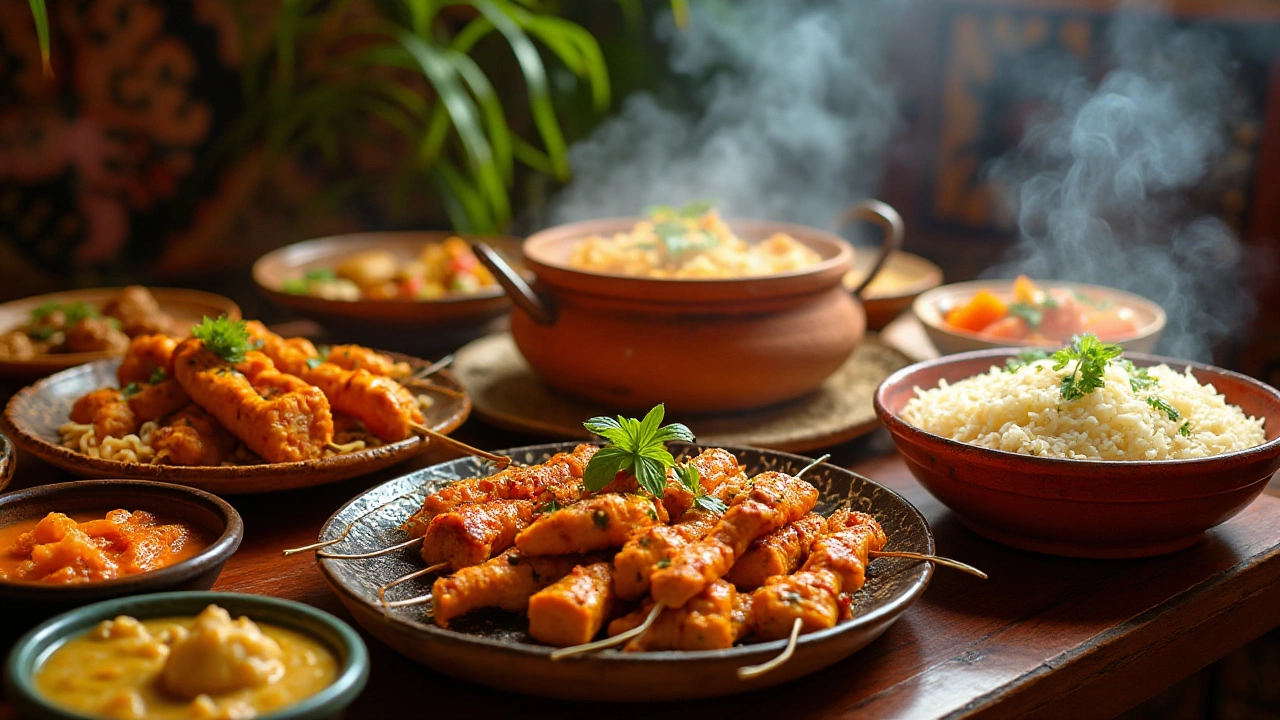
Delicious Indian Dishes for Non-Curry Lovers
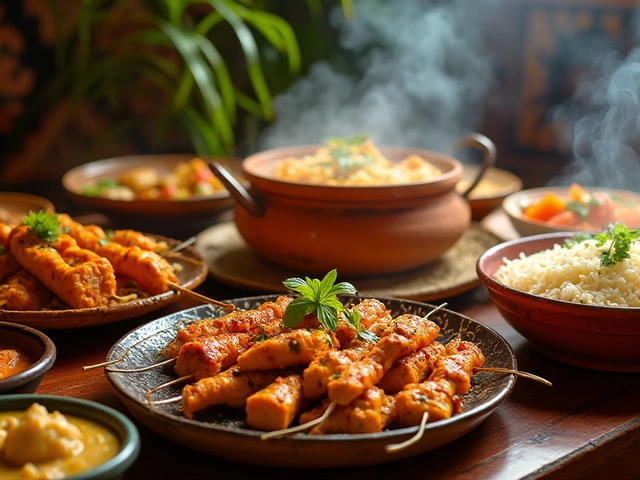
Navigating an Indian restaurant menu can be daunting if curry isn't your cup of tea. Discover a variety of flavorful Indian dishes that cater to those seeking alternatives to traditional curries. From sizzling tandoori meats to aromatic biryanis, the world of Indian cuisine is vast and varied. Delve into spicy street snacks and comforting lentil-based creations that promise a delightful dining experience. This guide will ensure your next Indian meal is both delicious and curry-free.
Read More