Plant-Based in Scripture: How Ancient Texts Shape Modern Indian Eating
When people talk about plant-based in scripture, the dietary guidelines and moral teachings about food found in ancient Indian religious texts. Also known as vegetarianism in Hinduism, it's not just a diet—it's a way of thinking about life, harm, and balance. This isn't about trends or trendy salads. It’s about centuries-old ideas that still shape what millions eat every day, from a simple bowl of dal in rural Uttar Pradesh to a vegan thali in Bangalore.
These ideas come from texts like the Bhagavad Gita, a 2,000-year-old spiritual dialogue that links food to mental and spiritual state, and the Manusmriti, an ancient legal code that outlines purity rules around food and animal products. They don’t say "eat plants" in modern terms, but they do say: avoid harm, respect life, and keep your body clean. That’s why many Hindus avoid eggs, meat, and even onions—not because they’re forbidden by law, but because they’re seen as tamasic or rajasic, meaning they disturb peace or stir desire. Meanwhile, lentils, rice, ghee, and jaggery are sattvic—pure, calming, and aligned with spiritual practice. This isn’t just about what’s on the plate. It’s about how the food was grown, who prepared it, and whether it caused suffering.
And it works. You can see it in the data: India has the highest number of vegetarians in the world, not because of government rules, but because of deep cultural roots tied to these texts. Even people who eat meat often skip it on certain days—like Ekadashi or Shivratri—following traditions passed down for generations. The Hindu diet, a flexible system of food choices guided by spiritual principles rather than strict bans isn’t all-or-nothing. It’s layered. It’s personal. And it’s why you’ll find someone eating paneer curry on Monday and lentils on Tuesday, not because they’re dieting, but because they’re listening to something older than fad diets.
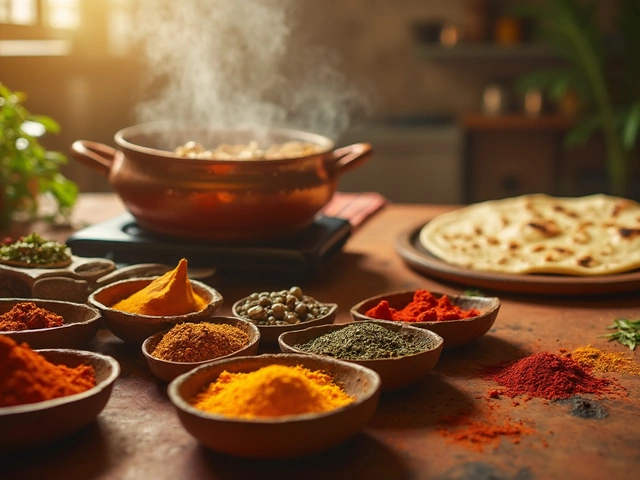
What you’ll find in the posts below isn’t a list of religious rules. It’s real-life stories of how these ancient ideas show up in kitchens today. From why dal is more than just lentils to how eggs are treated differently across regions, you’ll see how scripture doesn’t live in temples—it lives in the spice rack, the fridge, and the morning roti.
Bible Verses About Vegetarianism: What Scripture Actually Says
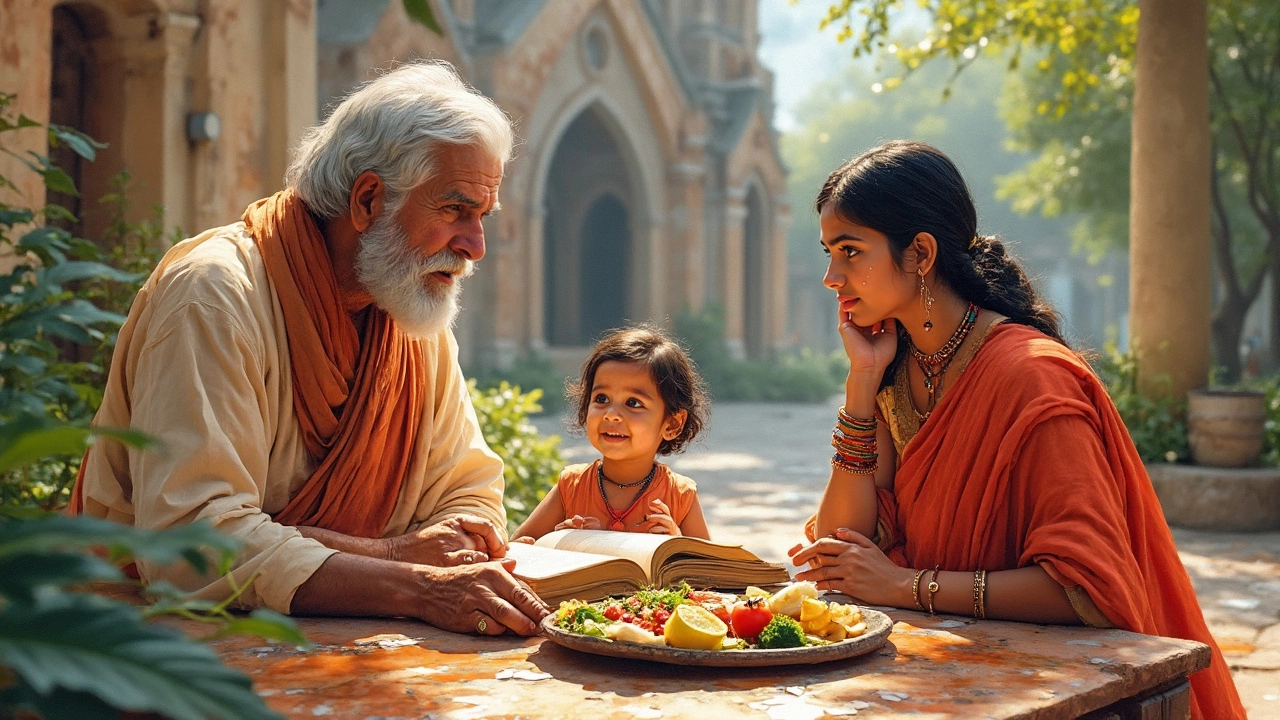
Is being vegetarian supported by the Bible? This detailed article digs into what scripture says—or doesn't say—about vegetarianism. You'll discover key Bible passages, uncover surprising facts about ancient diets, and learn what this all means for Christians today. Explore both the history and the modern debate, and walk away with clear, balanced insights you can use.
Read More