Peda History: Origins, Traditions, and How It Became India's Beloved Sweet
When you think of Peda, a soft, milk-based Indian sweet made from khoya, sugar, and cardamom. Also known as peda, it is one of the most widely recognized desserts in India, often served during Diwali, weddings, and temple offerings. But where did it really come from? Peda isn’t just a snack—it’s a piece of living culinary history, shaped by royal kitchens, temple rituals, and home cooks across generations.
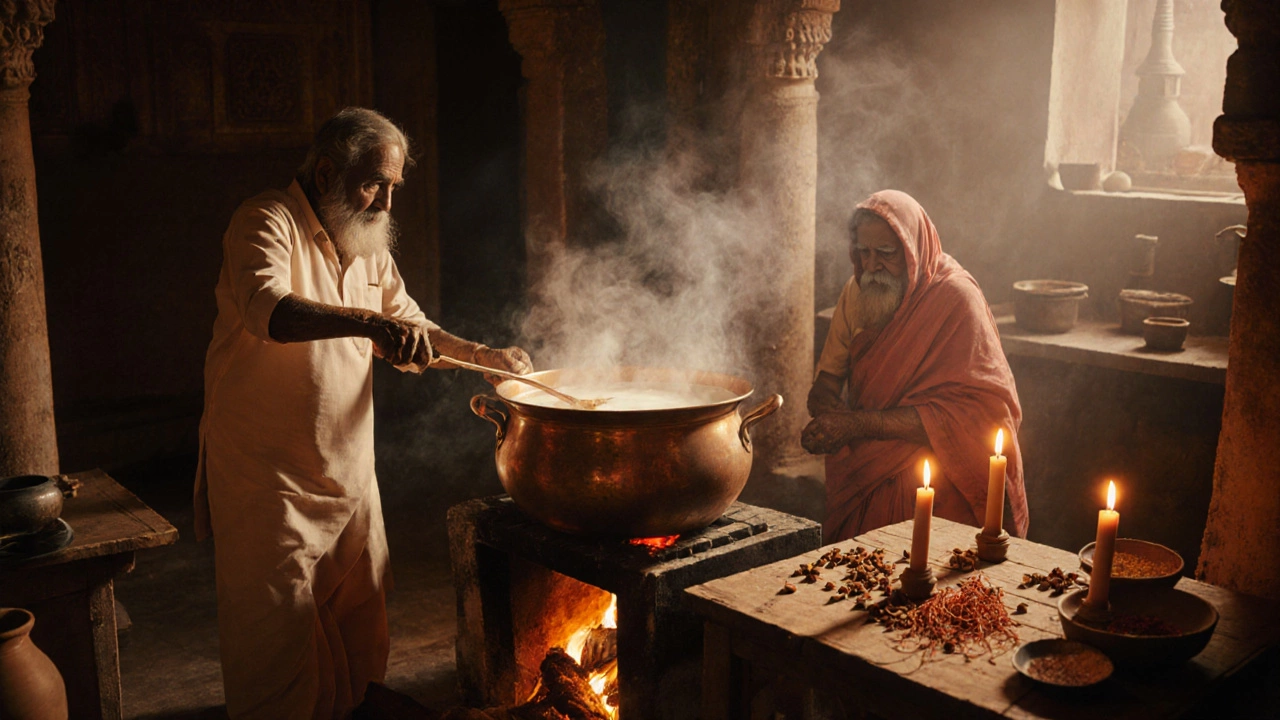
Peda traces its roots to the khoya, reduced milk solids that form the base of many Indian sweets. Also known as mawa, this ingredient was perfected in North India, especially in Mathura and Vrindavan, where dairy traditions run deep. Legend says that Peda was first made in the 17th century by sweet makers serving the Krishna temples in Mathura. They needed a simple, pure offering that honored devotion without waste—so they boiled milk slowly, stirred it until thick, shaped it by hand, and added a touch of cardamom. No fancy tools, no preservatives—just patience and milk. Over time, this humble sweet spread to Mughal courts, then to bazaars in Delhi, Lucknow, and beyond. Each region added its own twist: some used saffron, others pistachios, and a few even tried rose water. But the core stayed the same: milk, heat, and time.
Peda’s connection to mithai culture, the broader tradition of Indian sweets that blend flavor, symbolism, and ritual. Also known as Indian desserts, this tradition turns food into celebration. Unlike cakes or cookies, Peda isn’t just eaten—it’s given. It’s part of gift boxes during Diwali, offered at temples, and shared after births and weddings. Its round shape stands for wholeness, its sweetness for joy, and its simplicity for purity. Even today, you’ll find small shops in Varanasi or Jaipur making Peda the old way—on clay stoves, by hand, in batches of 100 or more. No machines, no molds. Just skilled hands and decades of know-how.
What makes Peda endure isn’t just taste—it’s memory. Grandmothers still teach their grandkids how to tell when the khoya is ready by the way it pulls away from the pan. Mothers swap recipes for the perfect texture: soft and melt-in-mouth, or slightly chewy. And while modern versions now use powdered milk or artificial flavors, the real ones still come from milk boiled for hours, stirred slowly, and shaped with care. The posts below dive into how Peda fits into everyday Indian life—from its role in festivals to how it compares to other sweets like Gulab Jamun and Ladoo. You’ll also find tips on making it at home, why some versions last longer than others, and how to spot the real deal in a crowded market. This isn’t just about dessert. It’s about tradition, taste, and the quiet art of slowing down to make something sweet.
What Is the Oldest Sweet in India? The Ancient Origins of Peda
Peda is the oldest known sweet in India, dating back over 500 years to Mathura. Made from just milk and sugar, it's a simple, sacred dessert still made the same way today.
Read More