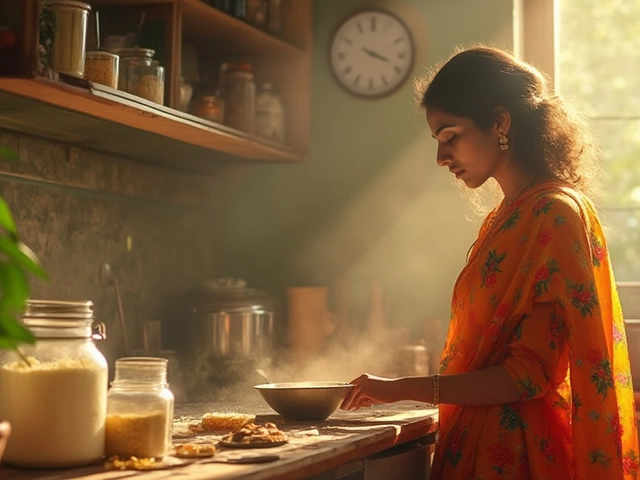
Oldest Indian Sweet: History, Varieties, and Traditional Recipes
When you think of oldest Indian sweet, a centuries-old dessert made with jaggery, milk solids, and cardamom, deeply tied to rituals and regional traditions. Also known as ancient Indian mithai, it predates sugar cane refinement and was first made in Vedic kitchens using naturally sweetened ingredients like date paste and dried fruits. This isn’t just about taste—it’s about survival. Long before refrigerators or imported sugar, Indian households relied on jaggery, khoya, and nuts to create sweets that could last weeks without spoiling. These weren’t treats for special days—they were energy packs for farmers, offerings in temples, and gifts during harvests.
The jaggery, unrefined cane sugar made by boiling sugarcane juice until thick, then molded into blocks. Also known as gur, it’s the original sweetener in Indian desserts used in the oldest sweets like gur ka laddu, dense, round balls made from jaggery and sesame or coconut, often found in rural Maharashtra and Gujarat. Also known as jaggery balls, they’re still made the same way today. Unlike modern sugar-based sweets, these didn’t melt in heat, didn’t attract insects easily, and gave slow-burning energy. Even today, you’ll find grandmothers in villages rolling these by hand, using wooden molds passed down for generations. Then there’s khoya, milk solids reduced slowly over low heat until thick and creamy, forming the base of many classic Indian sweets. Also known as mawa, it’s what gives gulab jamun its soft, melt-in-mouth texture. It wasn’t invented overnight—it took hours of stirring, constant heat control, and no shortcuts. That’s why the oldest sweets were made in small batches, often by women who knew exactly when the milk was ready.
What makes these sweets endure isn’t just flavor—it’s function. They were made to last, to nourish, and to connect. A laddu offered during a child’s naming ceremony, a barfi given to a bride’s family, a halwa served after fasting—all carried meaning beyond sugar. Even today, the oldest Indian sweet isn’t found in fancy shops but in temple kitchens, village fairs, and homes where recipes are whispered, not written. You won’t find a single origin story because there isn’t one. Every region shaped its own version: the jaggery-drenched laddus of Tamil Nadu, the ghee-soaked pedas of Rajasthan, the coconut-and-palm-sugar treats of Kerala. They all trace back to the same root: using what the land gave, without waste, without fancy tools.
What you’ll find in the posts below are real recipes, forgotten methods, and honest stories about how these sweets were made—not by chefs, but by everyday people who kept tradition alive. You’ll learn why some sweets still use jaggery instead of sugar, how khoya was made before electric stoves, and which ancient sweet is still being served in temples today. No fluff. Just the truth behind the sweetness.
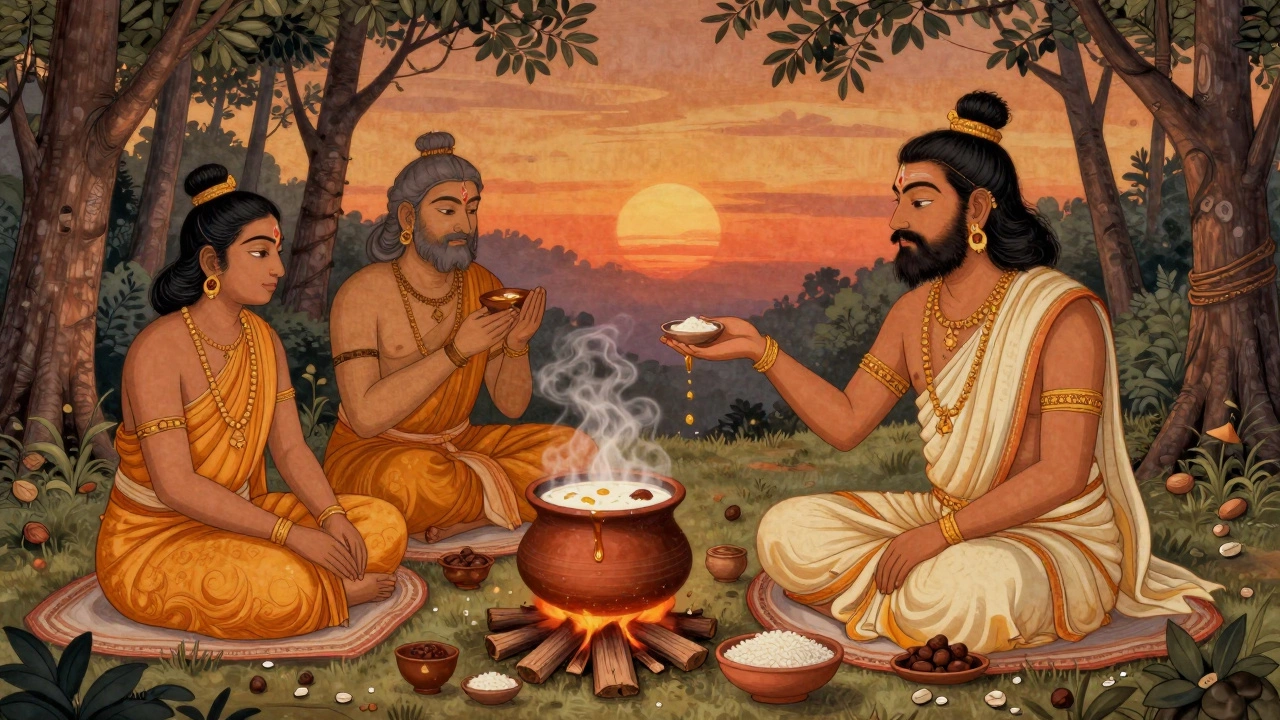
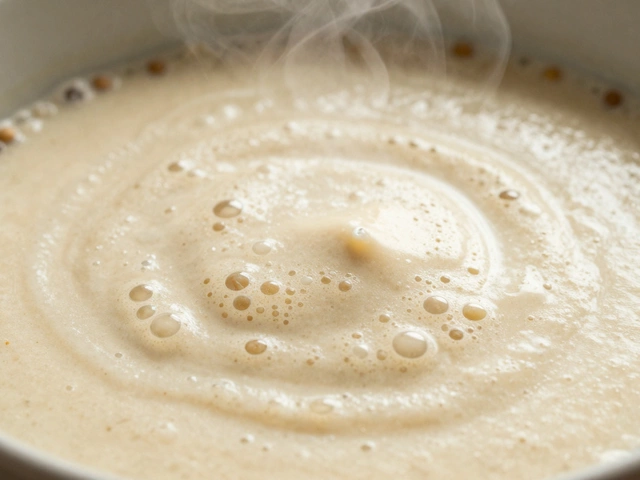
India's Oldest Sweet Dish: Payasam's 3000-Year History
Discover how Payasam, India's oldest sweet dish, dates back to the Rigveda. Learn its evolution from Vedic rituals to regional variations and why it remains a cultural treasure today.
Read More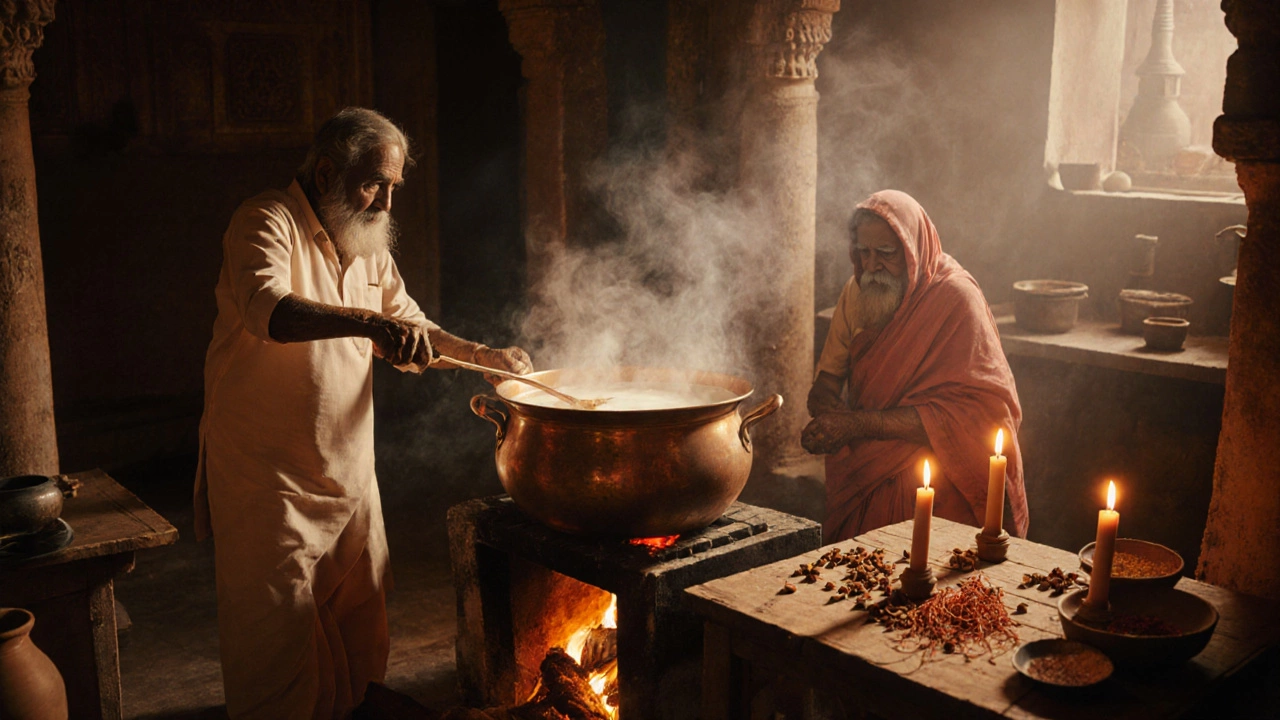
What Is the Oldest Sweet in India? The Ancient Origins of Peda
Peda is the oldest known sweet in India, dating back over 500 years to Mathura. Made from just milk and sugar, it's a simple, sacred dessert still made the same way today.
Read More