Nutrition in Indian Food: What You Need to Know About Healthy Dals, Sweets, and Breakfasts
When you think of nutrition, the balance of vitamins, protein, fiber, and minerals that keep your body running well. Also known as food value, it's not just about counting calories—it's about what fuels you day after day. Indian food doesn’t just taste good; it’s built on ingredients that naturally support health. Think of dal, a simple, spiced lentil stew packed with plant-based protein and fiber. Also known as lentils, it’s the backbone of meals across India, eaten daily by millions—not because it’s trendy, but because it keeps you full, stabilizes blood sugar, and costs almost nothing. One bowl of dal gives you more protein than a chicken breast, without the fat or cholesterol. And it’s not just dal—foods like paneer, a fresh, unaged cheese made from curdled milk. Also known as Indian cottage cheese, it’s a high-protein, low-carb staple used in curries, snacks, and even desserts. gets its nutrition from whole milk, and when made at home, it’s free of additives that ruin the health profile of store-bought versions.
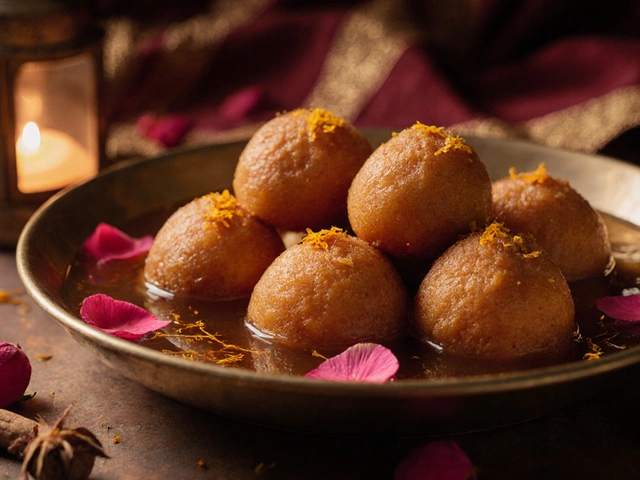
Indian breakfasts are some of the most nutrient-dense in the world. idli, a steamed rice-and-lentil cake. Also known as fermented rice cake, it’s easy to digest and rich in probiotics thanks to natural fermentation. Same with poha, flattened rice cooked with turmeric, peanuts, and curry leaves. Also known as flattened rice dish, it delivers slow-burning carbs, healthy fats, and iron without added sugar. These aren’t fads—they’re centuries-old solutions to the problem of eating well on a busy morning. Even Indian sweets aren’t all sugar bombs. Traditional ones like ragi laddu, a ball made from finger millet flour, jaggery, and ghee. Also known as millet sweet, it’s high in calcium, fiber, and iron—perfect for kids and elders alike. Jaggery, palm sugar, and khoya replace refined sugar in many recipes, giving depth of flavor without the crash. And yes, eggs aren’t banned in Hinduism—they’re just avoided by some for cultural reasons, not because they’re unhealthy. In fact, boiled eggs with paratha are a common, protein-rich breakfast in many homes.
What you’ll find in the posts below isn’t a list of diet rules. It’s a real look at how Indian food works—what makes dal the healthiest protein source you’re not using, why 7-day-old paneer is dangerous even if it looks fine, and how the sweetest desserts in India can still be good for you. You’ll learn which dal has the most iron, how to eat biryani without packing on calories, and why soaking basmati rice matters more than you think. No gimmicks. No fads. Just food that’s been tested by generations—and still works today.
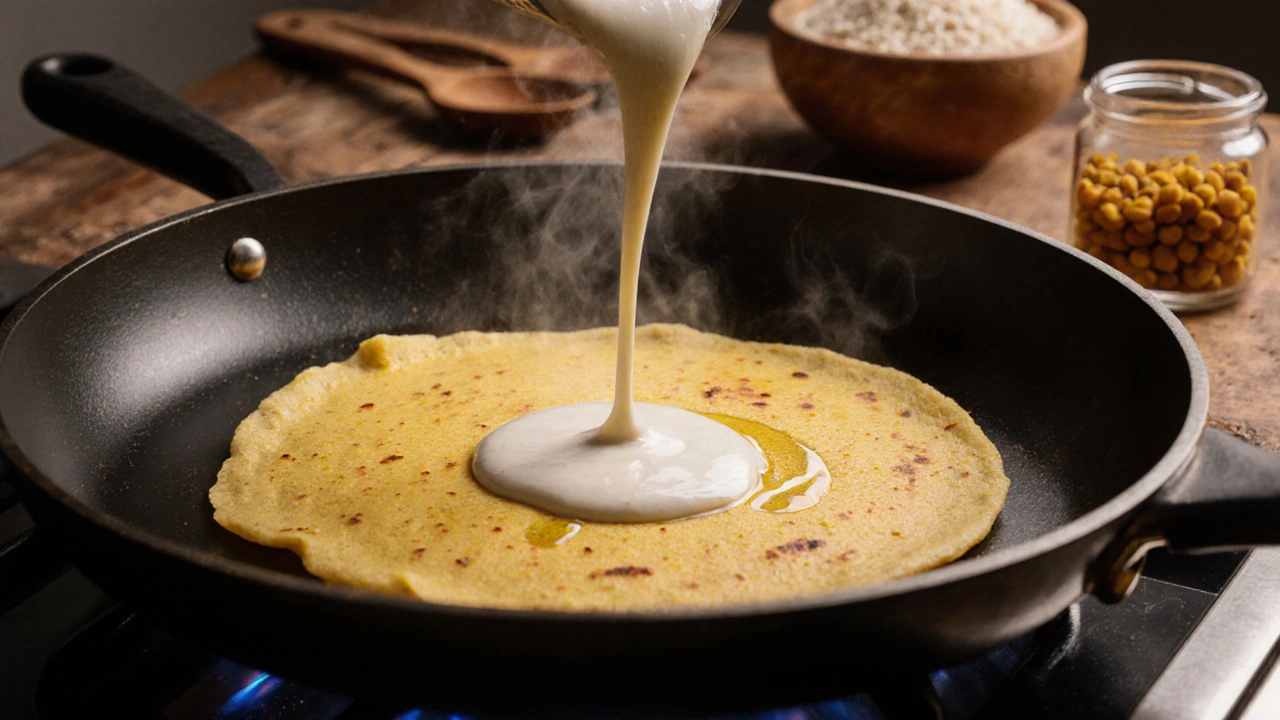
Is Dosa Healthy? Benefits, Nutrition Facts & Smart Eating Tips
Discover if dosa is a healthy snack by exploring its nutrition, probiotic benefits, glycemic impact, and smart cooking tips for a balanced diet.
Read More
Is Dal Really a Protein? The Truth About Protein in Lentils
Curious if dal counts as protein? Here’s the science behind dal, its nutritional value, and what makes it different from complete proteins. Learn the facts!
Read More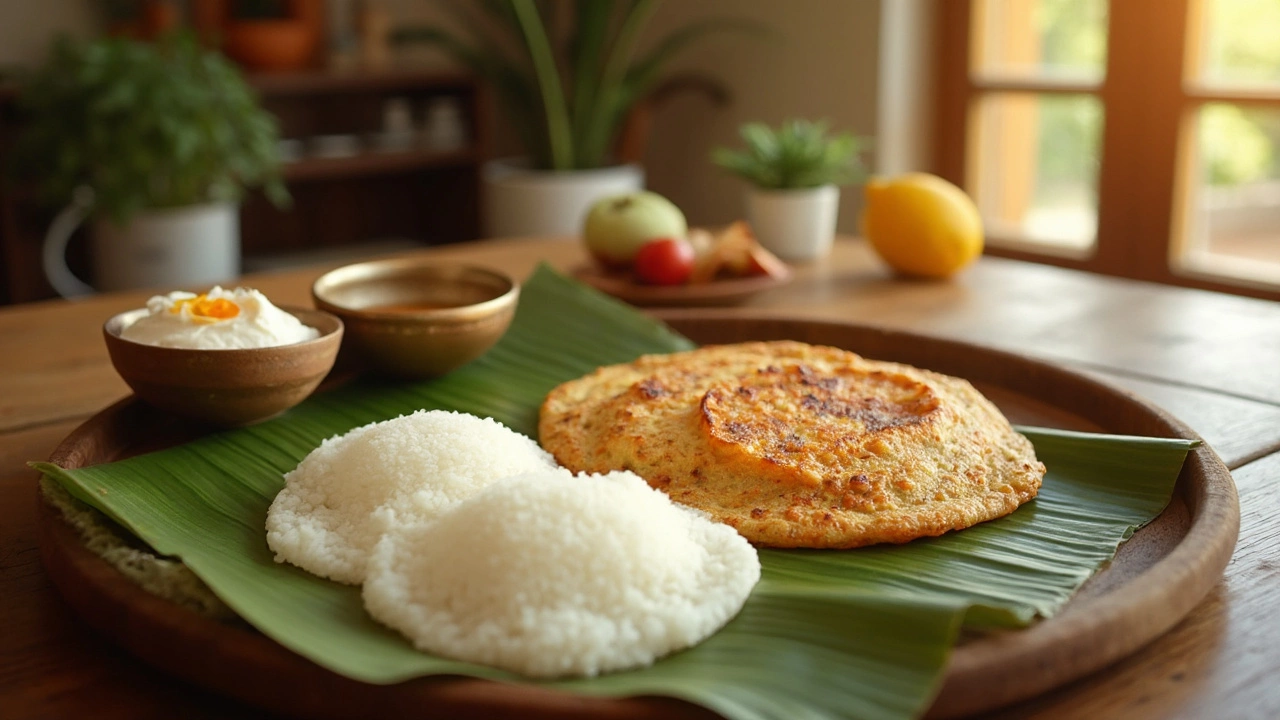
Idli vs. Dosa: Which Is Healthier for You?
Ever wondered if you should pick idli or dosa as the healthier choice? This article peels back the layers on both these South Indian classics, looking at calories, nutrition, portion sizes, and how your choice of batter can make a difference. You'll discover which is better for weight watchers, which keeps you full for longer, and what tweaks can level up their health factor. Simple tips and honest facts—no fluff. If dosa batter's on your mind, this is your no-nonsense guide.
Read More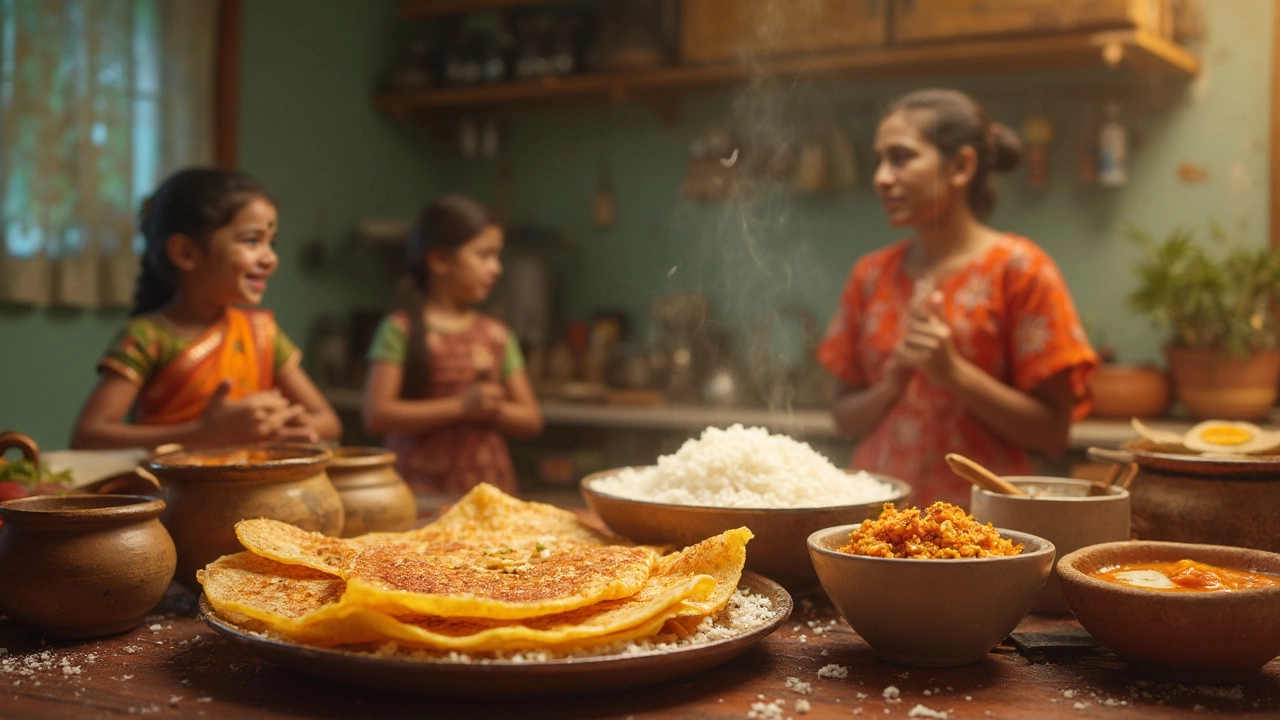
Is Dosa Healthier or Rice? Real Talk for Your Plate
When you’re torn between dosa and rice for your next meal, the choice isn’t just about taste. This article compares dosa and plain rice from a health and nutrition angle, unpacking carbs, proteins, and even gut benefits. You’ll get to know what actually happens when you swap out rice for dosa or vice versa. We’ll also dive into why dosa batter matters and what to tweak for better health. Expect real answers and a few surprises if you thought one was the clear winner.
Read More