Lentils in Indian Cooking: Types, Nutrition, and Best Dal Recipes
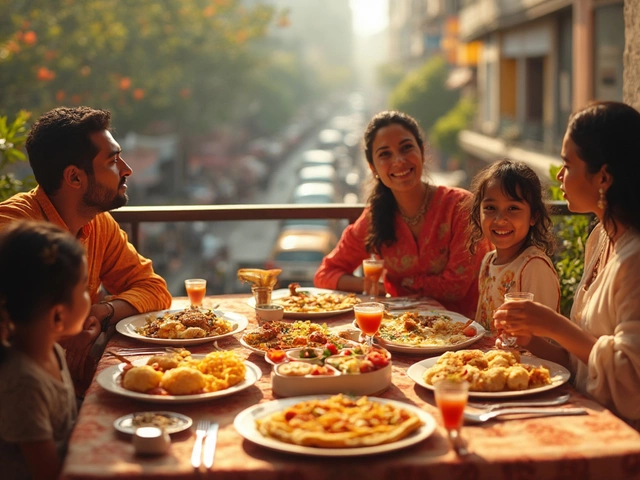
When you think of Indian food, one thing always shows up on the plate: dal, a simple, spiced stew made from split lentils or legumes. Also known as lentils, dal isn’t just food—it’s comfort, tradition, and nutrition packed into one bowl. Every region in India has its own version, from the creamy yellow toor dal of the south to the earthy masoor dal in the north. And while English speakers call them lentils, in India, dal includes more than just lentils—it’s also chickpeas, mung beans, and even red kidney beans, all split and cooked down into something deeply satisfying.
What makes dal so special isn’t just how it tastes, but what it does for your body. Protein-rich dal, like moong and urad, delivers more plant-based protein than most meats per serving. It’s also loaded with fiber, iron, and folate, making it a go-to for vegetarians and anyone looking to eat cleaner. Unlike processed foods, dal doesn’t need fancy ingredients—just lentils, water, turmeric, cumin, and a pinch of hing. That’s it. And yet, it’s one of the most healing meals you can eat, especially when paired with rice or roti.
Not all dals are the same. Toor dal, often called pigeon pea, is the most common in South India and has a slightly sweet, nutty flavor. Masoor dal, made from red lentils, cooks fast and turns creamy—perfect for beginners. Then there’s urad dal, black gram, used in dosa batter and rich in protein and magnesium. Each has its own texture, cooking time, and health benefits. Some are better for digestion, others for energy or blood health. You don’t need to eat them all, but knowing the difference helps you choose the right one for your day.
People ask if dal is just plain food. It’s not. It’s the quiet hero of Indian kitchens—eaten by farmers, office workers, and grandmas alike. It’s cheap, lasts long, and doesn’t need fancy tools. You can make it in a pot, pressure cooker, or even a slow cooker. And if you’ve ever wondered why Indian meals feel so balanced, it’s because dal brings the protein, the fiber, and the warmth that no other single dish can match.
Below, you’ll find real recipes, clear answers about what dal really is, and the truth about which lentils are best for your health. No fluff. Just what works.
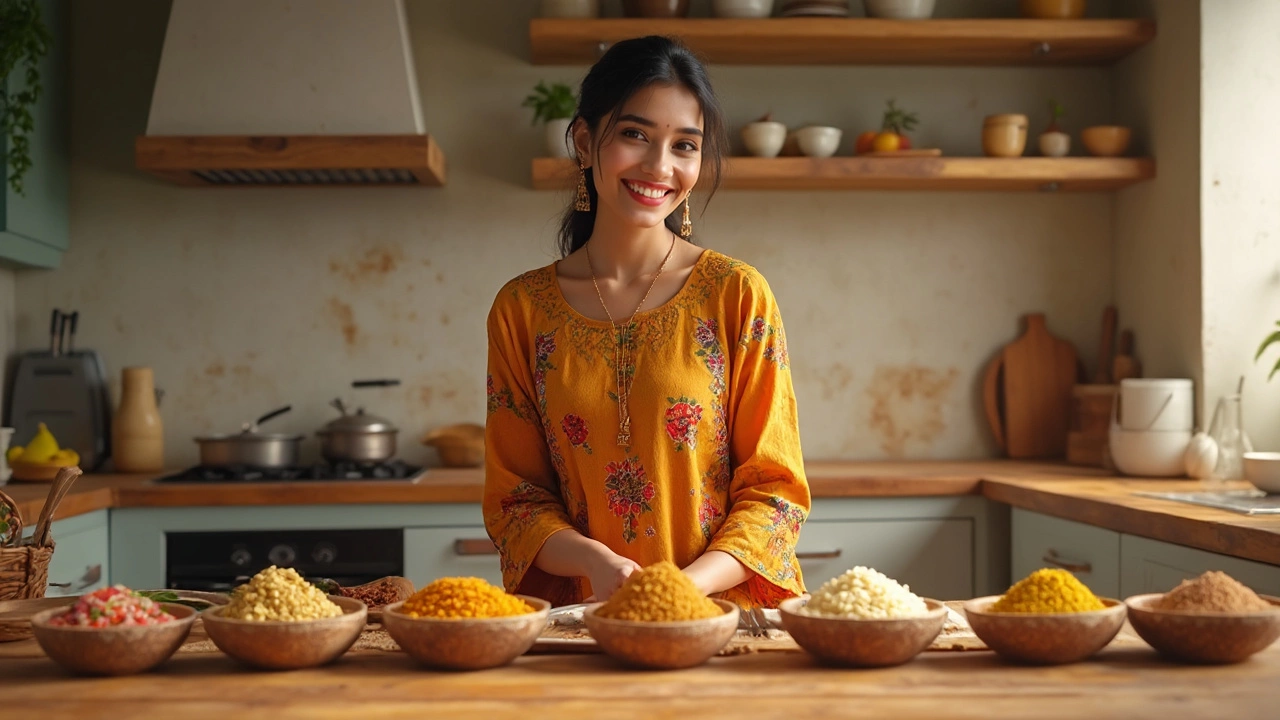
Is Dal Really a Protein? The Truth About Protein in Lentils
Curious if dal counts as protein? Here’s the science behind dal, its nutritional value, and what makes it different from complete proteins. Learn the facts!
Read More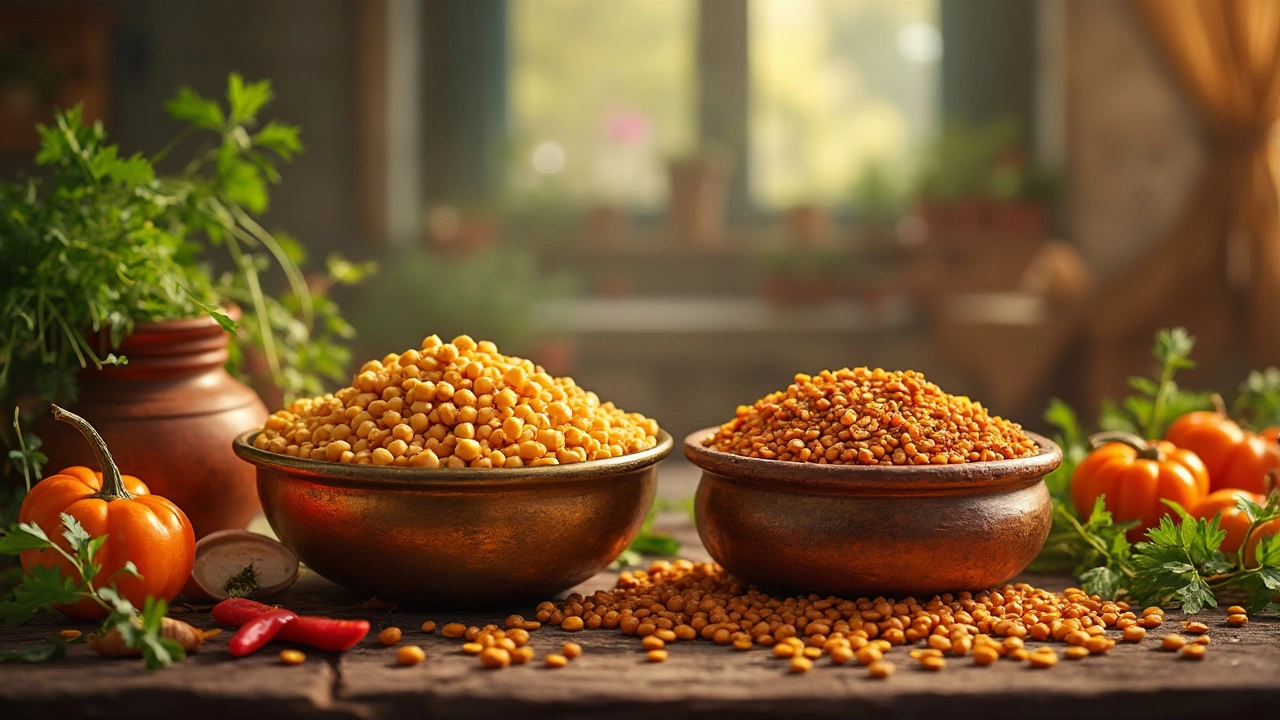
Are Chickpeas or Lentils Better for You?
Choosing between chickpeas and lentils can be tricky as they both pack a punch when it comes to nutrients. Chickpeas are known for their fiber content, while lentils offer a variety of vitamins and minerals. This article explores the health benefits of each, dives into how they can become the star of your next meal, and shares some simple dal recipes to mix up your weekday dinners. Read on to see which legume aligns best with your dietary needs and preferences.
Read More