Indian Vegetarianism: Traditions, Foods, and Daily Practices
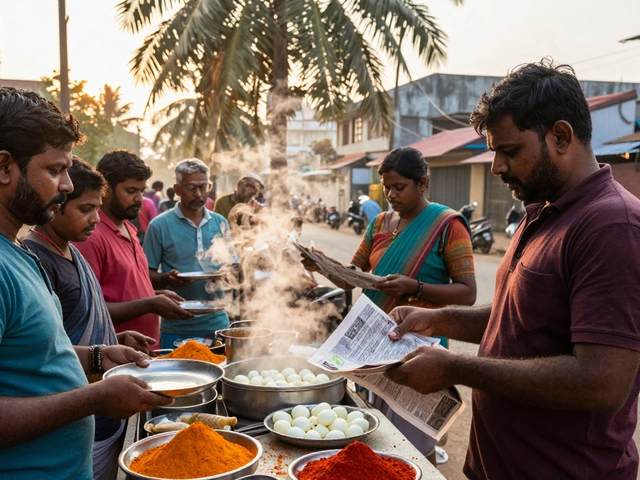
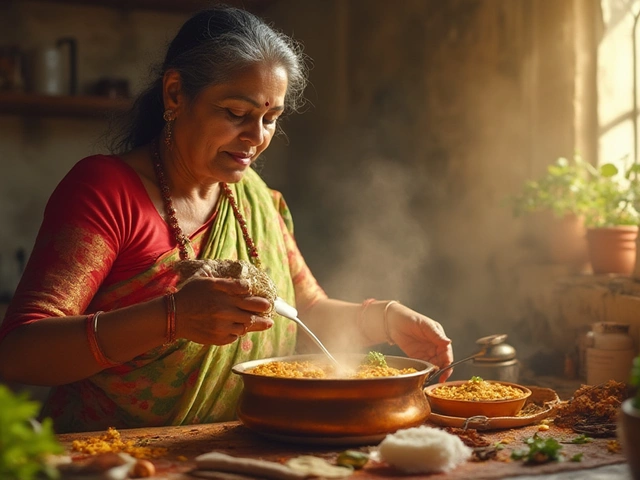
When we talk about Indian vegetarianism, a widespread dietary and cultural practice rooted in religious beliefs, regional habits, and centuries-old food traditions. Also known as Hindu vegetarianism, it’s not just about avoiding meat—it’s about choosing foods that align with ideas of purity, non-violence, and balance. Over 300 million people in India follow this lifestyle, and it’s not because they’re following a trend. It’s because their meals have always been built around lentils, grains, vegetables, and dairy—not because they had to, but because it made sense.
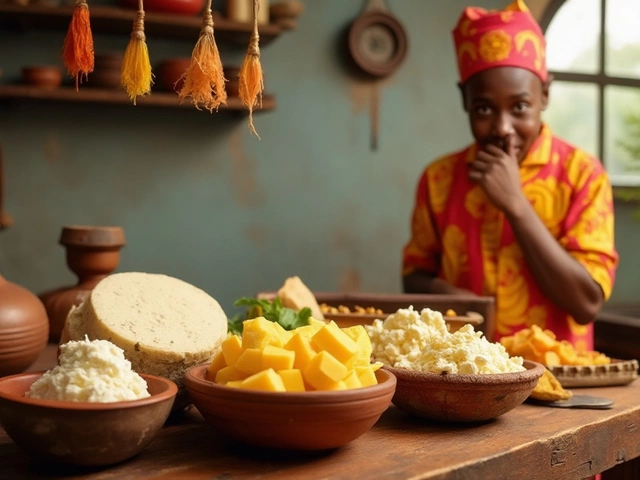
At the heart of this way of eating is dal, a simple, spiced stew made from split lentils or legumes, cooked daily in homes from Kerala to Punjab. Also known as lentil curry, it’s the protein backbone of millions of vegetarian meals. You won’t find a single Indian household that doesn’t have dal on the table at least once a day. Then there’s paneer, a fresh, non-melting cheese made by curdling milk with lemon or vinegar, used in everything from curries to snacks. Also known as Indian cottage cheese, it’s the go-to substitute for meat in dishes like paneer tikka or palak paneer. These aren’t fancy ingredients—they’re everyday staples that make vegetarianism sustainable, satisfying, and deeply flavorful.
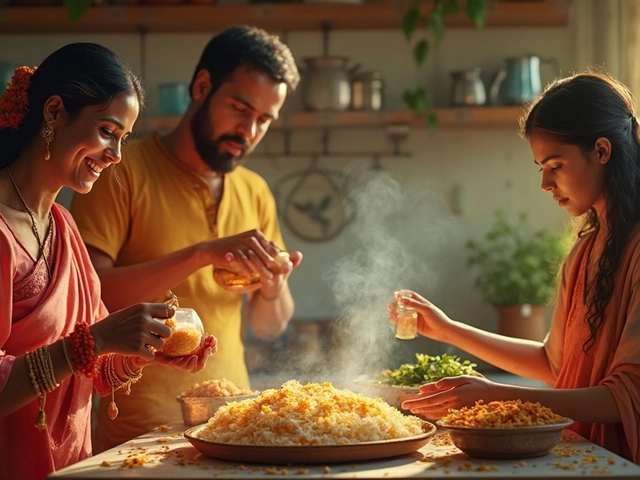
Indian vegetarianism doesn’t mean eating the same thing every day. It means knowing how to turn a handful of lentils, some rice, a few spices, and a bit of yogurt into a meal that fills you up and keeps you healthy. It’s why idli and dosa—fermented rice and lentil cakes—are breakfast staples in the south. It’s why poha and upma, made from flattened rice and semolina, are quick, light, and perfect for mornings. It’s why people avoid eggs even if they’re not strictly vegan—because in many communities, eggs are seen as a form of meat. This isn’t about restriction. It’s about abundance in simplicity.
What you’ll find in the posts below is a real look at how this lifestyle works in practice. You’ll see why rice is essential in dosa batter, how to tell if paneer is still safe to eat, which dals are the most nutritious, and why chole bhature is called the best vegetarian dish in India. There’s no fluff here—just the food people actually cook, eat, and live by. Whether you’re curious about Hindu diet rules, looking for healthy Indian snacks, or just want to understand what makes vegetarian meals in India so satisfying, everything you need is right here.
Are Eggs OK to Eat in India? A Clear Guide for Vegetarians and Non-Vegetarians
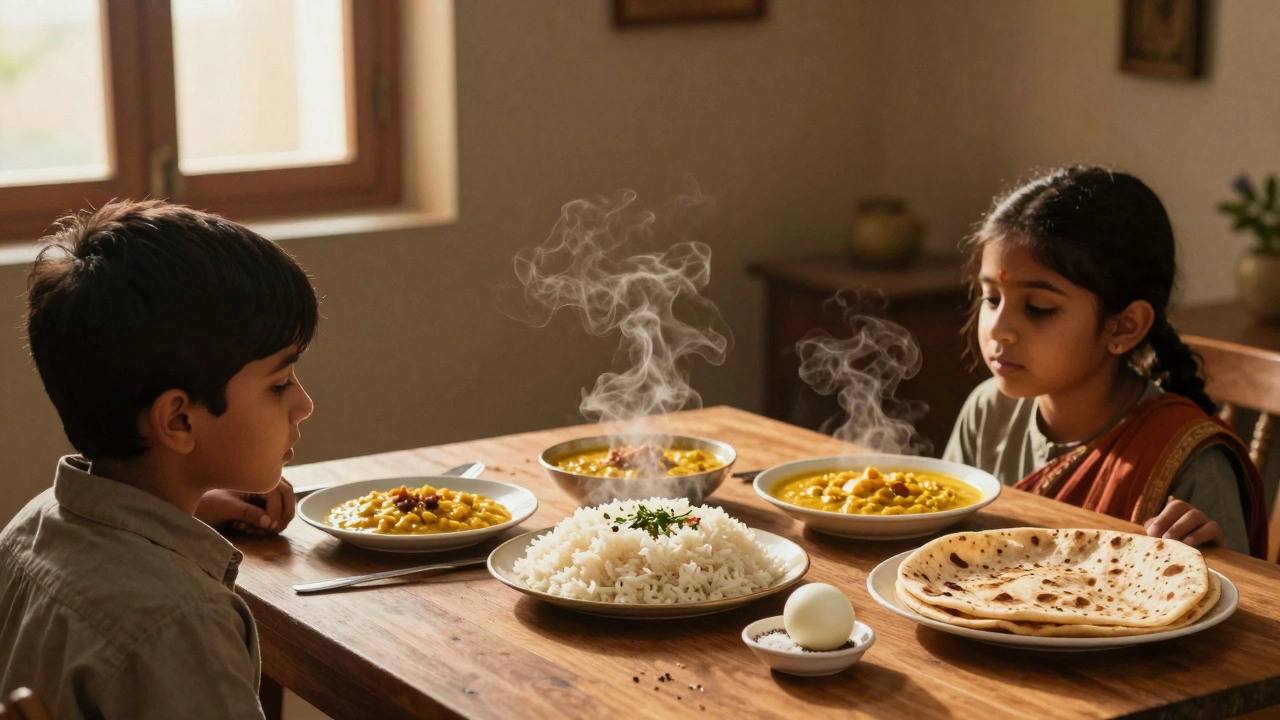
Eggs in India are culturally considered non-vegetarian, but nutritionally and scientifically, they’re a healthy, affordable protein source. This guide breaks down religious views, regional practices, and why many Indians eat eggs despite being labeled vegetarian.
Read More