Indian Street Food Safety: What You Need to Know Before You Eat
When you bite into a crispy pani puri, a popular Indian street snack made of hollow puris filled with spiced water, potatoes, and chickpeas, you’re tasting decades of tradition. But that same bite can carry hidden risks if the food isn’t handled right. Street food safety, the practices that keep food clean, fresh, and free from harmful bacteria during preparation and serving isn’t about avoiding stalls—it’s about knowing what to look for. In India, where street food is part of daily life, millions eat safely every day. But a single misstep—stale oil, dirty water, or unclean hands—can turn a favorite snack into a sick day.
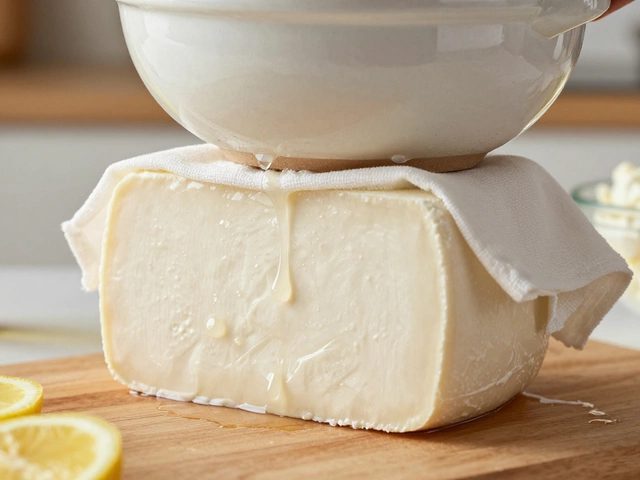
Many people think spicy food kills germs. It doesn’t. While chili and garlic have some antimicrobial properties, they won’t fix spoiled ingredients or unclean surfaces. The real heroes are fresh ingredients, ingredients used the same day, stored properly, and never left sitting out in heat, and hot serving temperature, food served steaming hot, above 65°C, which stops most bacteria from thriving. Look for vendors who fry food in fresh oil, use clean utensils, and keep their workspace free of flies and dust. If the water for washing veggies looks cloudy, walk away. If the paneer sits uncovered for hours, skip it. You don’t need to avoid street food—you just need to pick wisely.
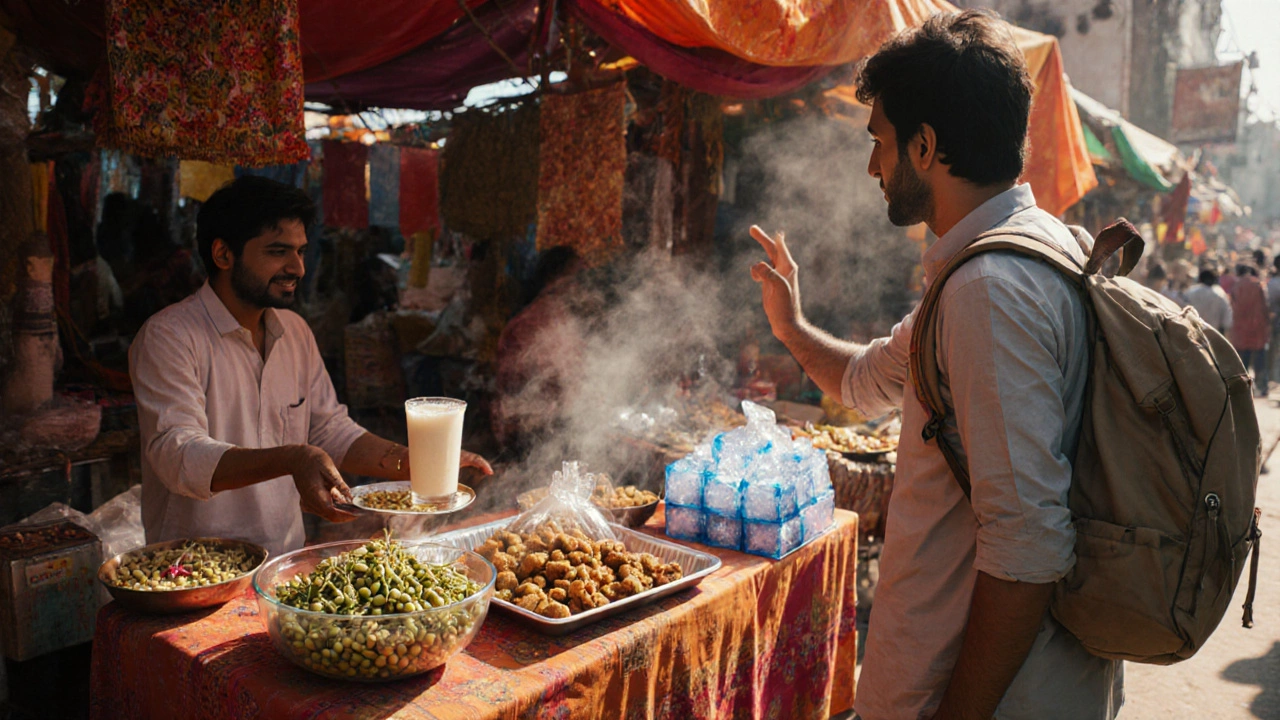
Some of the most common problems? Street food safety failures like reused oil (used over and over for frying), unboiled water in drinks, and vendors who don’t wash hands after handling cash. A 2022 study in Delhi found that nearly 40% of popular street vendors didn’t use gloves or hand sanitizer, even when handling ready-to-eat food. But here’s the good news: you can spot the safe ones. Watch for crowds—locals know where the cleanest stalls are. Check if the vendor uses separate containers for raw and cooked food. Ask for your chutney on the side—freshly made, not sitting in a big bowl. And never eat anything that’s been sitting under a fan or in direct sun for more than 30 minutes.
There’s no magic rule, but there are clear signs. A clean apron. A covered serving area. A steady stream of customers. A vendor who doesn’t touch your food with bare hands. These aren’t fancy tips—they’re basic, everyday habits that keep people healthy. You don’t need to be an expert. Just be a smart observer. The best Indian street food isn’t just about flavor—it’s about trust. And trust comes from seeing how it’s made, not just tasting it.
Below, you’ll find real advice from people who’ve been there—how to tell if paneer is still safe after a few days, why some spices help more than you think, and what breakfast snacks are actually safe to grab on the go. No guesses. No myths. Just clear, practical tips to enjoy India’s food culture without the risk.
Foods to Avoid in India: Essential Safety Guide for Travelers
Learn which Indian foods pose health risks for travelers, how to spot safe street stalls, and practical tips to enjoy delicious meals without getting sick.
Read More