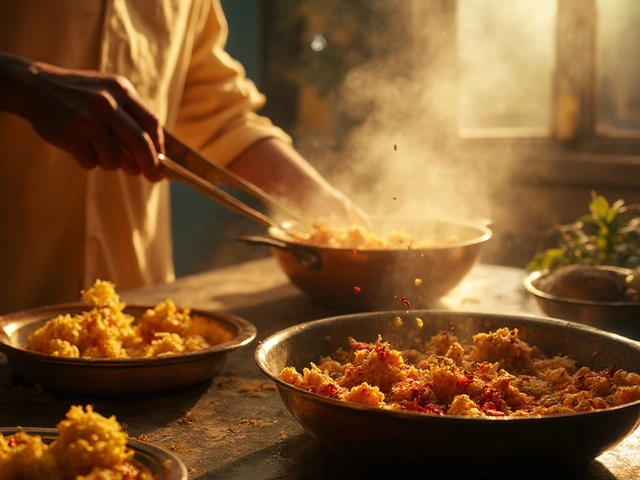
Indian Spices: The Heart of Every Authentic Indian Dish
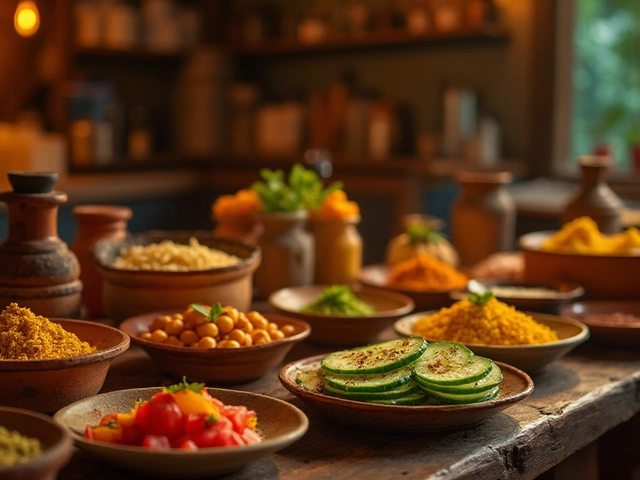
When you think of Indian food, you’re really thinking about Indian spices, a vibrant collection of seeds, roots, and dried aromatics that transform simple ingredients into unforgettable meals. Also known as Indian seasonings, these aren’t just flavor boosters—they’re the soul of daily cooking, medicine, and culture across the subcontinent. You don’t need fancy equipment or exotic ingredients to cook Indian food well. You just need the right spices, used at the right time.
Take asafoetida, a pungent resin used in tiny amounts to deepen savory dishes and aid digestion. Also called hing, it’s the invisible backbone of many lentil and vegetable curries. It smells strong raw, but when fried in oil, it melts into the dish like magic—adding umami without meat. Then there’s turmeric, cumin, coriander, and mustard seeds, each playing a different role. Turmeric gives color and anti-inflammatory power. Cumin adds earthiness. Coriander brings brightness. Mustard seeds pop and release nutty warmth when hit with hot oil. These aren’t random choices—they’re a system.
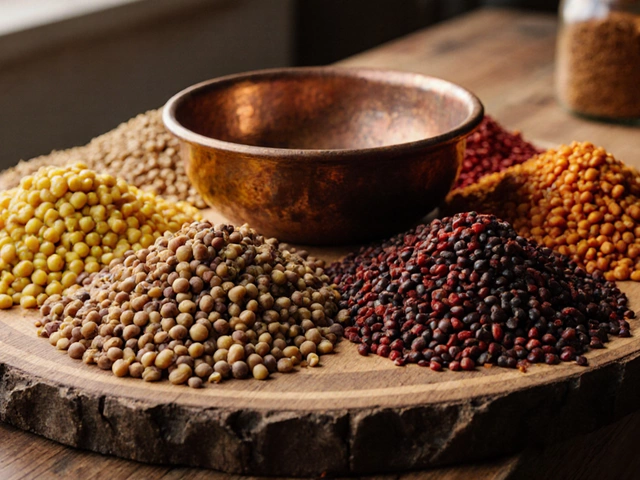
Indian spices don’t just make food taste good. They’re tied to how food is stored, when it’s eaten, and even who eats it. In many homes, spices are ground fresh, stored in copper or clay, and used based on the season. Ginger and black pepper for winter. Fenugreek and fennel for digestion after heavy meals. Even the way you add them matters: whole spices bloomed in oil, ground spices stirred in later, toasted seeds crushed just before serving. This isn’t tradition for tradition’s sake—it’s science refined over centuries.
Some of the most loved dishes you’ll find in the posts below—like chicken curry, dal, or even paneer-based meals—rely entirely on how these spices are layered. One post breaks down why hing is non-negotiable in some curries. Another explains how to stop coconut milk from curdling by managing spice heat. There’s even a guide on the oldest Indian sweet, where jaggery and cardamom do more than sweeten—they preserve and balance.
You won’t find a single Indian recipe here that skips the spice game. Whether you’re making breakfast poha or biryani, the spices are what turn routine meals into something that lingers on your tongue. And if you’ve ever wondered why your curry tastes flat, it’s not the chicken or the lentils—it’s the spice timing. The posts below show you exactly how to get it right, without guesswork.
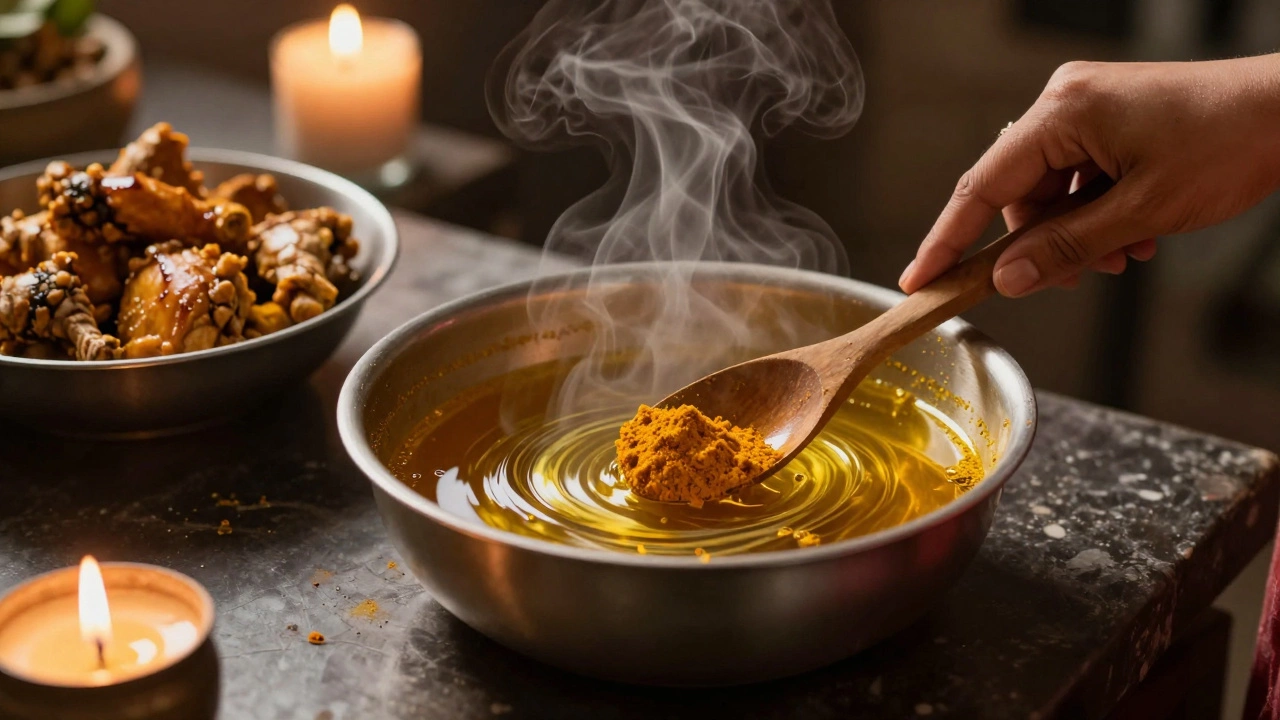
What Is the Main Flavor in Curry? The Truth Behind Chicken Curry’s Core Taste
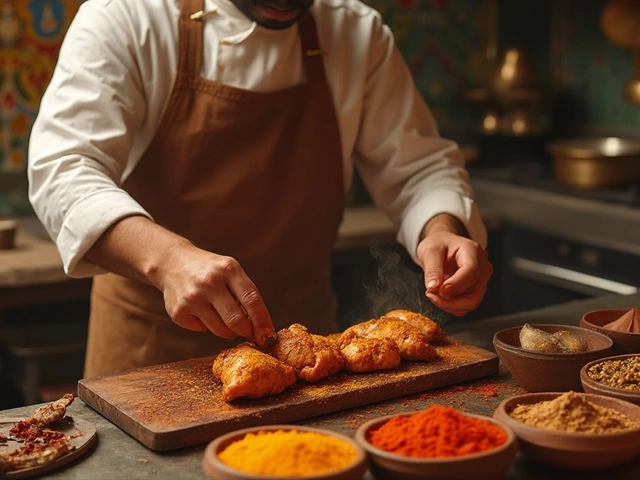
The main flavor in chicken curry isn't chili or cumin-it's turmeric. This deep, earthy spice gives curry its color, depth, and soul. Learn why it's irreplaceable and how to use it right.
Read More
What Do Indians Use Instead of Garlic in Chicken Curry?
Ever wondered how Indians whip up delicious chicken curries without garlic? This article uncovers the clever substitutes used when garlic is off the menu. You'll find out which ingredients deliver rich flavors and how to work them seamlessly into your favorite recipes. Practical tips and fascinating stories from Indian kitchens make cooking without garlic easier than you think. No more bland curry just because you're skipping garlic.
Read More