Indian Spice Smell: What Makes It So Unique and Irresistible
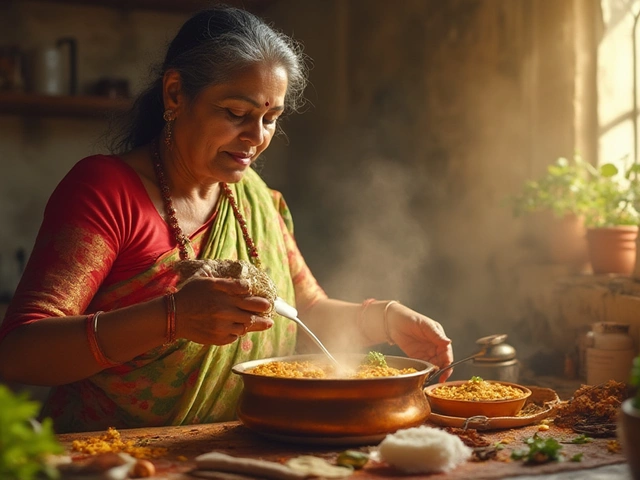
When you walk into a kitchen where Indian spice smell, the rich, warm, layered aroma created by toasted cumin, cardamom, turmeric, and cloves. Also known as masala fragrance, it’s the first thing you notice before you even see the food. It’s not just about heat or sweetness—it’s depth. That smell? It’s the result of spices being dry-roasted, ground, and bloomed in hot oil or ghee, releasing oils that carry flavor far beyond the tongue. This isn’t random mixing—it’s a science passed down through generations, where timing and temperature turn simple ingredients into something hypnotic.
The Indian spices, a collection of aromatic seeds, roots, and pods used in daily cooking across India don’t just smell good—they work together. Cumin adds earthiness, coriander brings citrusy balance, fenugreek gives a hint of bitterness, and asafoetida ties it all together with a savory punch. You won’t find this combo in any other cuisine. Even when you’re not cooking, that smell lingers in the air like a memory. It’s the same scent that fills homes in Punjab at dawn and in Tamil Nadu kitchens after sunset. And it’s not just for show—these spices have been used for centuries for digestion, preservation, and even healing.
That signature aroma? It’s what makes curry aroma, the complex scent profile created by simmering spices with onions, garlic, and tomatoes so addictive. It’s not one note—it’s layers. First, the sharpness of mustard seeds popping in oil. Then, the sweetness of cinnamon and cardamom blooming. Finally, the smoky depth of turmeric and chili. That’s why a simple chicken curry can smell like a feast before it’s even done. You don’t need fancy ingredients to get this smell—just patience and the right order of adding spices. Cook them too fast? You’ll get bitterness. Too slow? The magic fades.
And here’s the thing—this smell isn’t just about taste. It’s tied to culture, memory, and comfort. For millions, the scent of cumin and turmeric in hot oil means home. It’s what grandparents used to make, what mothers still make, and what kids beg for even when they’re grown. That’s why recipes keep coming back to the same spices, even as new trends pop up. You can swap proteins, change vegetables, but if you skip the spice bloom, it just doesn’t feel right.
Below, you’ll find real posts from home cooks who’ve cracked the code on how to get that smell just right. Some explain how to toast spices without burning them. Others break down why certain blends work better in certain dishes. You’ll see how paneer, dal, and biryani all rely on the same core technique—just with different spices. No fluff. No theory. Just what works, tested in kitchens across India.

What is the smelly spice in Indian food? - Discovering Asafoetida (Hing)
Discover the mysterious, smelly Indian spice-asafoetida (hing). Learn its origins, flavor profile, how to use it in chicken curry, storage tips, and FAQs.
Read More