Healthy Eating in India: Real Foods, Real Results
When people talk about healthy eating, a way of choosing foods that support long-term well-being without extreme restrictions. Also known as nutritious living, it’s not about cutting out carbs or counting calories—it’s about what your grandparents ate before processed food became common. In India, healthy eating isn’t a trend. It’s a daily habit built on lentils, fermented grains, and spices that do more than flavor food—they heal, digest, and fuel.
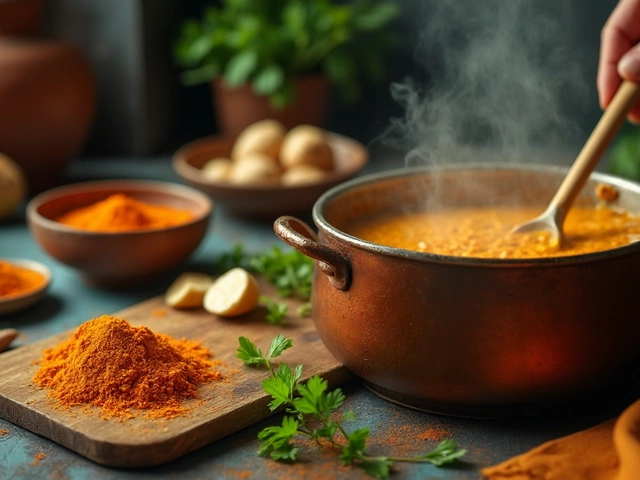
Take dal, a simple stew made from split lentils, rich in plant-based protein and fiber. Also known as lentil curry, it’s the backbone of meals across the country, eaten by millions every day without a second thought. Not all dals are the same. Moong dal is easy on the stomach, urad dal packs more iron, and toor dal gives you steady energy. You don’t need a dietitian to tell you which one to eat—just pick the one your body feels good with.
Then there’s Indian breakfasts, morning meals like idli, poha, and upma that are naturally low in sugar and high in nutrients. Also known as traditional morning foods, they’re made from fermented rice and lentils, which means your gut gets a boost before you even leave the house. These aren’t trendy superfoods—they’re everyday foods that work. And they’re not meant to be eaten with syrup or butter. A drizzle of coconut oil, a pinch of mustard seeds, and a side of chutney is all you need.
What about sweets? You don’t have to give them up. low sugar Indian sweets, like ragi laddus or date halwa, use natural sweeteners like jaggery and khoya instead of refined sugar. Also known as traditional desserts, they’re still sweet, still satisfying, but they don’t crash your energy like candy or cake. Jaggery isn’t just a substitute—it’s a whole different kind of sweetness, with minerals and a deeper flavor that lingers.
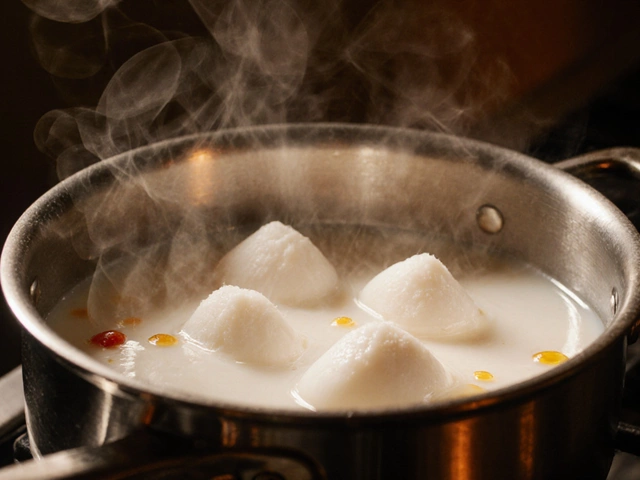
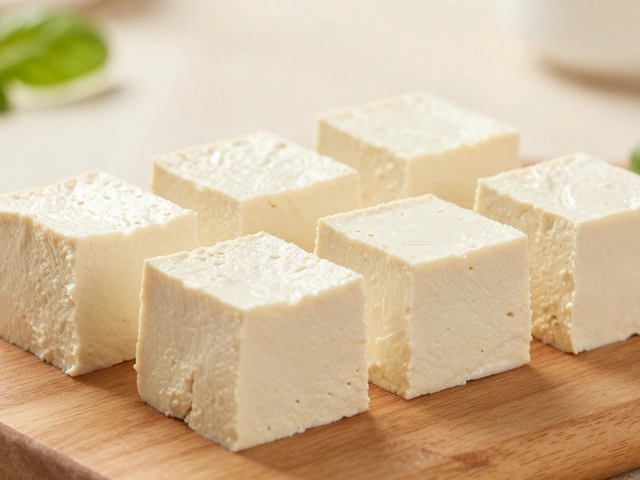
Healthy eating in India also means knowing what to skip. That’s why you’ll find guides on avoiding spoiled paneer, how to use coconut milk without curdling, and why eating eggs isn’t a sin—but some still avoid it for cultural reasons. It’s not about rules. It’s about awareness. You don’t need to eat like a monk to be healthy—you just need to eat like your ancestors did, with fresh ingredients, real spices, and no artificial junk.
Below, you’ll find real stories from real kitchens: how to pick the healthiest dal, which snacks actually help with weight loss, why dosa is more than just a pancake, and how to make sweets that don’t make you feel guilty. No fluff. No hype. Just food that works.
Are Chickpeas or Lentils Better for You?
Choosing between chickpeas and lentils can be tricky as they both pack a punch when it comes to nutrients. Chickpeas are known for their fiber content, while lentils offer a variety of vitamins and minerals. This article explores the health benefits of each, dives into how they can become the star of your next meal, and shares some simple dal recipes to mix up your weekday dinners. Read on to see which legume aligns best with your dietary needs and preferences.
Read More
Discovering the Healthiest Indian Snacks for Late-Night Cravings
Snacking at night doesn't have to derail your healthy eating habits, especially with options inspired by traditional Indian flavors. This article explores wholesome and nutritious Indian snacks that can satisfy late-night cravings without compromising wellness goals. Discover a range of easy-to-prepare and delicious snacks crafted from natural ingredients that are kind to your body and friendly to your taste buds. Embrace a healthier snacking routine with these delectable options.
Read More