Gulab Jamun Origins: Where This Iconic Indian Sweet Really Came From
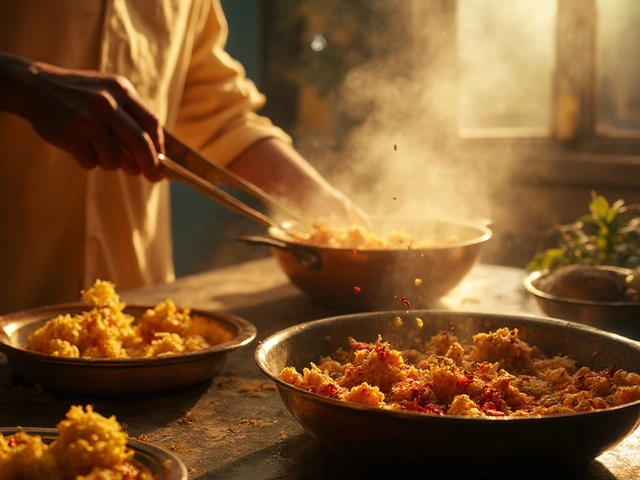
When you bite into a warm Gulab Jamun, a soft, syrup-soaked milk dumpling that melts in your mouth. Also known as gulab jamun, it's one of India's most recognizable desserts—served at weddings, Diwali, and every family gathering. But did you know this sweet isn't originally Indian? Its roots stretch back over 500 years to Persia, where a similar treat called luqmat al-qadi, fried dough balls soaked in honey syrup was a royal favorite. Traders and Mughal chefs brought this idea to India, where local cooks swapped honey for sugar syrup and used khoya—reduced milk solids—to make the dough richer and denser. What started as a Persian delicacy became a uniquely Indian celebration sweet.
The transformation didn’t stop there. In India, khoya, milk that’s been slowly simmered until it thickens into a solid mass became the secret ingredient. Unlike the original dough made with flour, Indian gulab jamun uses only milk solids, sugar, and a pinch of cardamom. This made it softer, more delicate, and deeply milky in flavor. Regional versions popped up too: in Lucknow, they added rose water; in Bengal, they made them slightly larger; in South India, some cooks used paneer instead of khoya. Even today, no two households make them exactly the same. The syrup? Sometimes flavored with saffron, sometimes with cardamom, sometimes just plain sugar boiled until it threads. Each variation tells a story—of trade, of adaptation, of home.
What makes gulab jamun so enduring isn’t just its sweetness. It’s how it connects generations. Grandmothers still hand-roll the dough, testing the texture between their fingers. Mothers teach daughters how to fry them just until golden—not too dark, not too pale. And every bite carries a legacy that began in a Persian kitchen, crossed deserts and rivers, and found its true home in Indian homes. Below, you’ll find posts that dig into its history, the science behind perfect frying, how it compares to other Indian sweets like peda and jalebi, and even how to make it without khoya if you’re short on time. Whether you’re curious about its past or planning to make it tonight, you’ll find what you need here.

Discover India's Sweet Love Affair: Gulab Jamun's Surprising Origins
Gulab Jamun, a beloved dessert in India, actually traces its roots to Persia. Originally called 'Luqmat al-Qadi,' this dessert made its way to India with Persian invaders and was adapted to local tastes. Known for its soft, syrupy goodness, Gulab Jamun has become a staple at festivals and celebrations across India. Learn about its history, variations, and handy tips to make perfect Gulab Jamun at home.
Read More