Egg Consumption in India: Myths, Habits, and Health Facts
When it comes to egg consumption in India, the rate at which Indians eat eggs, influenced by regional diets, religious beliefs, and economic access. Also known as egg intake in South Asia, it varies wildly—from daily breakfasts in Kerala to strict avoidance in parts of Uttar Pradesh. This isn’t just about food. It’s about identity, tradition, and science.
Many people assume all Hindus avoid eggs because they’re vegetarian. But Hindu diet, the pattern of food choices based on religious, cultural, and regional practices across Hindu communities. Also known as Indian vegetarianism, it’s not a single rule—some Hindus eat eggs, others don’t, and many draw the line at eggs because they see them as potential life, not just food. In cities like Chennai or Kolkata, eggs are common in morning meals. In rural Brahmin households, they’re often skipped. The confusion? Eggs aren’t meat, but they’re not dairy either. So where do they fit? That’s why eggs and religion, the relationship between religious beliefs and dietary choices around eggs in India. Also known as religious views on eggs, it’s less about scripture and more about local customs passed down for generations.
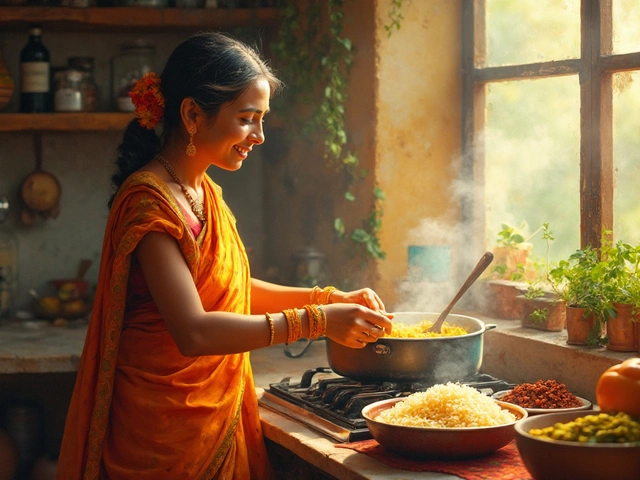
Meanwhile, in homes across India, eggs are quietly becoming a go-to protein. They’re cheap, quick, and packed with nutrients. A boiled egg with poha or a scrambled egg in a paratha? That’s breakfast for millions. Even in weight-loss diets, eggs show up—because they keep you full longer than bread or rice. And while some worry about cholesterol, studies show that for most people, eating one egg a day doesn’t raise heart risks. The real issue? How you cook them. Fried in oil? That’s the problem. Boiled, steamed, or baked? That’s a different story.
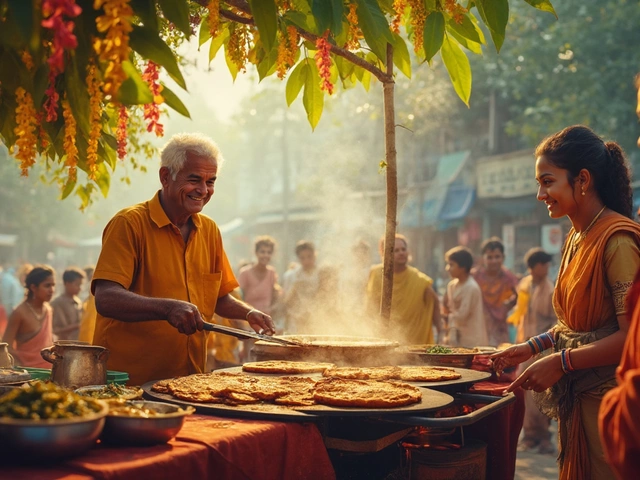
So if you’re wondering whether eggs belong in an Indian kitchen, the answer isn’t yes or no—it’s "it depends." Depends on where you live. Depends on your family. Depends on your health goals. But one thing’s clear: Indian breakfast, the typical morning meals eaten across India’s diverse regions, often including eggs, idli, poha, or paratha. Also known as morning meals in India, it’s where eggs quietly win over rice and roti in many homes. You’ll find them in coastal kitchens, urban apartments, and college hostels. And if you’re looking for real, everyday Indian eating habits—not the ones you see in ads—you’ll see eggs more than you think.
Below, you’ll find real stories, science, and simple recipes that show how eggs fit into Indian life—not as a controversy, but as a food. Whether you eat them daily or avoid them entirely, you’ll walk away with clearer answers, not just opinions.
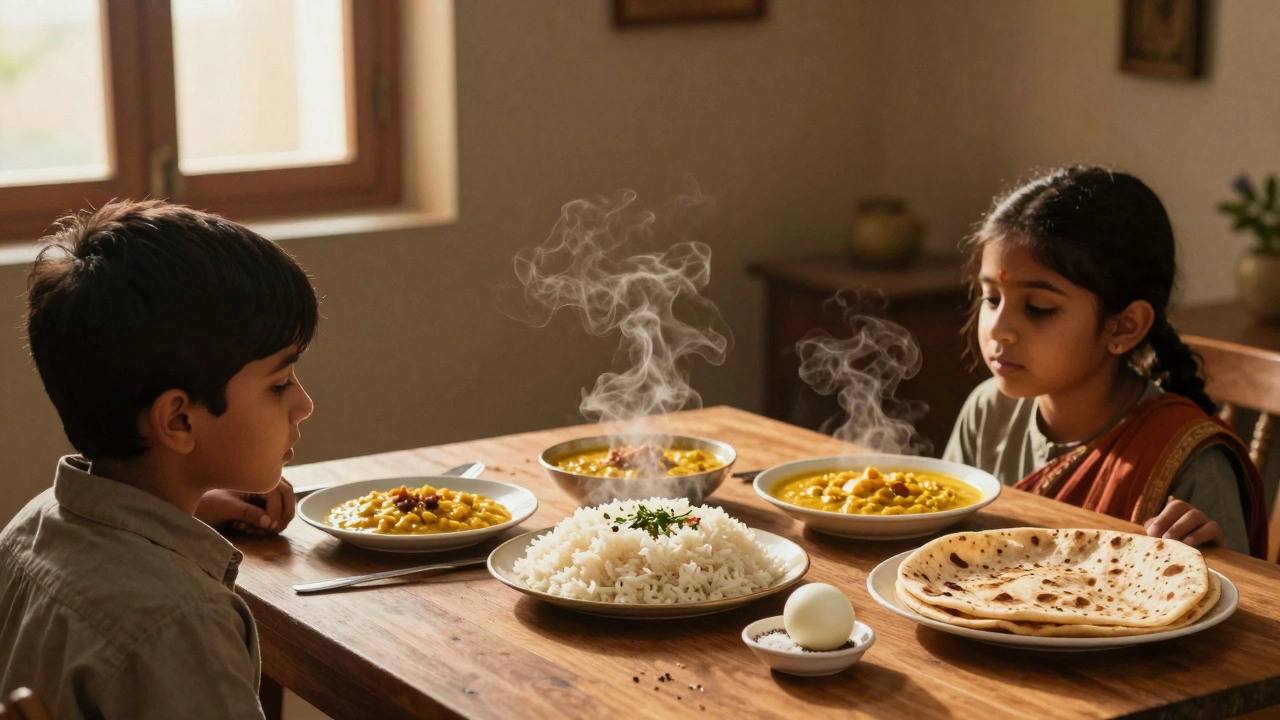
Are Eggs OK to Eat in India? A Clear Guide for Vegetarians and Non-Vegetarians
Eggs in India are culturally considered non-vegetarian, but nutritionally and scientifically, they’re a healthy, affordable protein source. This guide breaks down religious views, regional practices, and why many Indians eat eggs despite being labeled vegetarian.
Read More