Dosa Recipe USA: How to Make Authentic South Indian Dosa at Home
When you think of dosa, a thin, crispy fermented rice and lentil pancake from South India. Also known as Indian crepe, it's one of the most popular breakfasts across India—and now, increasingly, in U.S. homes. If you’ve tried dosa at a local Indian restaurant and wondered if you could make it yourself, the answer is yes. You don’t need special equipment, imported ingredients, or a trip to Chennai. Just rice, urad dal, salt, water, and time—that’s it.
What makes dosa work isn’t magic—it’s fermentation. The batter needs 8 to 12 hours to rise, usually overnight. That’s when the natural bacteria turn the starches into gas, giving dosa its light, bubbly texture. In the USA, where kitchens are often cooler than in South India, you might need to place the batter near a warm appliance, like a turned-off oven with the light on, to get that rise right. Many people in the U.S. use a yogurt maker or even a heating pad wrapped around the bowl. It’s not complicated, just a little patient.
You’ll also find that the urad dal, a type of black lentil used in Indian cooking. Also known as black gram, it’s the secret to that fluffy, stretchy texture. In India, it’s sold in bulk at Indian grocery stores. In the USA, you can find it at Trader Joe’s, Whole Foods, or online. If you can’t find urad dal, some substitute with split mung beans—but the flavor and texture won’t be the same. Stick with the real thing if you want that authentic crisp edge and soft center.
And yes, dosa is healthy. It’s naturally gluten-free, low in fat, and packed with plant-based protein from the lentils. When paired with coconut chutney or sambar, it becomes a balanced meal. Many Americans who eat dosa regularly say it gives them steady energy without the sugar crash you get from pancakes or toast. It’s no surprise that South Indian breakfasts, like idli, upma, and dosa. Also known as fermented grain meals, they’re often cited as some of the healthiest morning foods in the world.
There’s a reason dosa is spreading fast across the U.S.—it’s easy to make, easy to customize, and easy to love. You can fill it with mashed potatoes for masala dosa, wrap it around veggies, or just eat it plain with chutney. Some people even make sweet dosa with jaggery and cardamom. The variations are endless, but the base? Always the same: rice, lentils, water, and time.
Below, you’ll find real recipes and tips from people who’ve made dosa work in their American kitchens—whether they’re using a cast iron skillet, a nonstick pan, or even an electric griddle. You’ll learn how to fix batter that won’t ferment, how to get the right heat, and why your first dosa might stick (and how to fix it). No fluff. No guesswork. Just what works.
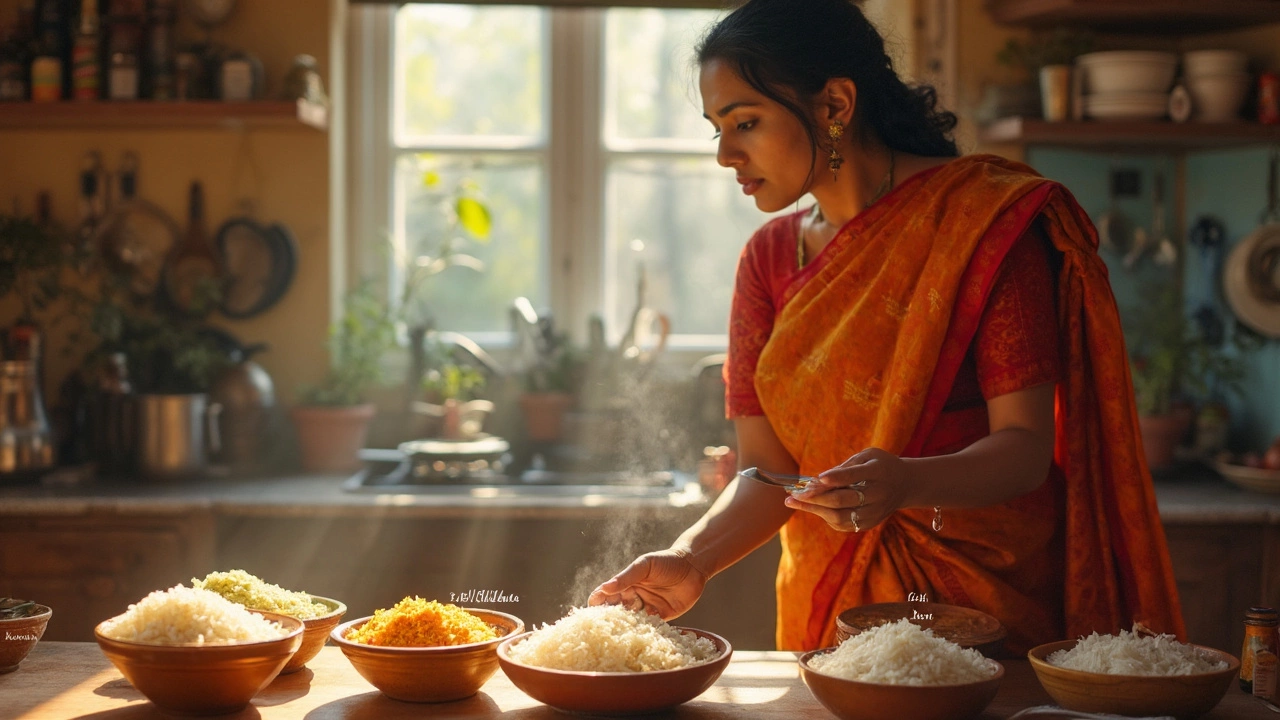
Best Rice for Dosa Batter in the USA: The Ultimate Guide for Authentic Results
Struggling with dosa batter in the USA? Discover the best rice types, tips for crispiness, and how to substitute with local grains for fail-proof dosas every time.
Read MoreRecent Post