Curry Flavor: What Makes Indian Curries So Rich and Addictive
When you think of curry flavor, the complex, warming blend of spices that defines countless Indian dishes. Also known as Indian spice profile, it’s not one thing—it’s a living mix of toasted seeds, dried chilies, ground roots, and aromatic leaves that change with every kitchen. This isn’t just about heat. It’s about balance: the earthiness of cumin, the citrusy bite of coriander, the sweet warmth of cardamom, and the smoky depth of smoked paprika or asafoetida. Real curry flavor builds slowly—oil heats, spices sizzle, then tomatoes or onions soften into a base that holds everything together. No single spice carries it. It’s the teamwork that makes it unforgettable.
What you call "curry" in the West is often just a shadow of what’s made in Indian homes. In India, there’s no such thing as "curry powder"—that’s a colonial invention. Real curry flavor comes from spice blends, custom mixes ground fresh for each dish, like garam masala or sambar powder. Each region has its own signature. In the south, coconut milk and tamarind give a tangy-sweet depth. In the north, cream, yogurt, and dried fenugreek leaves add richness. And in the east, mustard oil and panch phoron (a five-spice mix) bring a sharp, nutty punch. Even the same dish—say, chicken curry—tastes wildly different from Kerala to Punjab. That’s because curry flavor isn’t fixed. It’s shaped by soil, season, and family tradition.
And it’s not just about the spices. How you cook matters just as much. Toasting whole spices before grinding? That unlocks oils you can’t get from pre-ground powder. Frying them in hot oil until they pop? That’s how you turn bitterness into fragrance. Slow simmering lets flavors marry. Adding coconut milk at the right moment—like in the coconut milk curry, a creamy, fragrant dish where heat and fat work together to carry spice without curdling.—changes everything. Even the order you add ingredients affects the final taste. Garlic after onions? Ginger before tomatoes? These aren’t just tips—they’re secrets passed down for generations.
What you’ll find below are real, tested recipes and stories from Indian kitchens that break down exactly how curry flavor works. No vague "add spices to taste" advice. Just clear steps: which spices to use, when to add them, how to fix a bland curry, and what to skip. You’ll learn why some dals taste like they’ve been simmered all day, how paneer soaks up spice better than meat, and why the healthiest Indian curries aren’t the ones with the most cream—but the ones with the most layered spice. Whether you’re trying to replicate your favorite takeaway or invent your own version, this collection gives you the tools to taste, adjust, and make it yours.
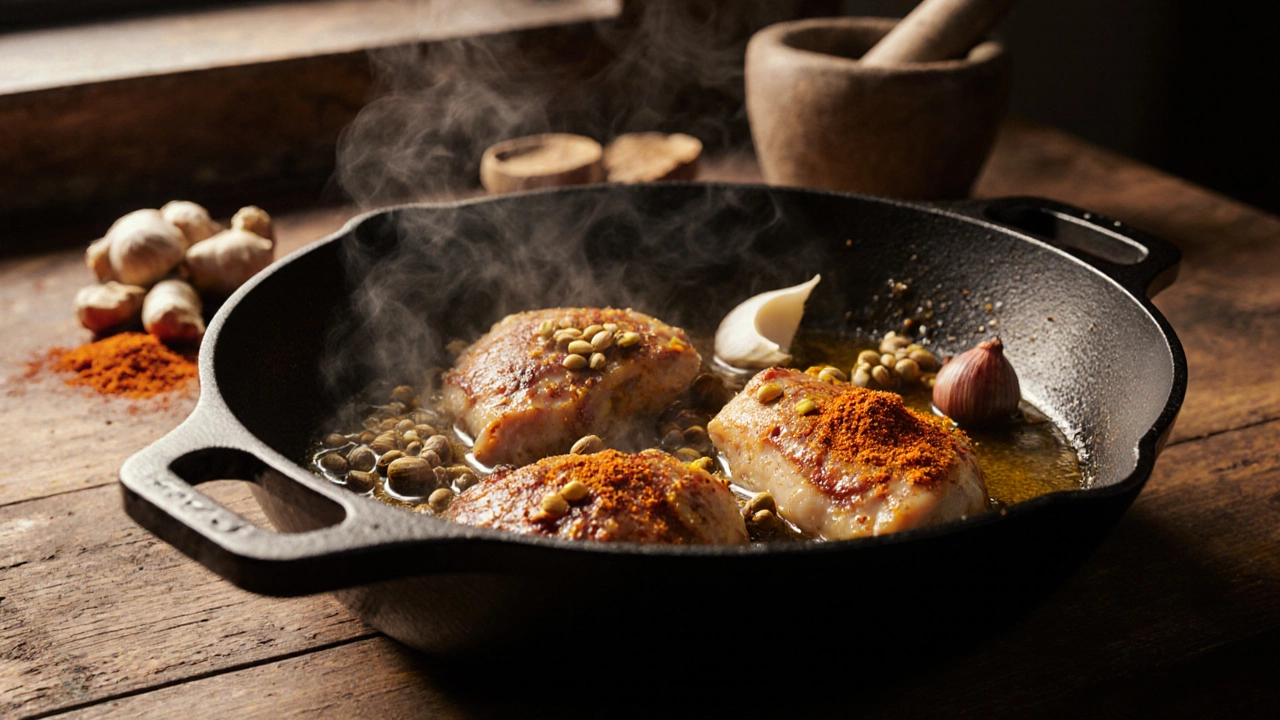
What Makes Chicken Curry More Tasty? 7 Simple Secrets That Actually Work
Learn the 7 simple secrets that transform ordinary chicken curry into something rich, deep, and unforgettable-no fancy ingredients needed. Just better timing, better spices, and better technique.
Read More