Chutney: The Essential Indian Condiment with Regional Flavors and Uses
When you think of chutney, a tangy, spicy, or sweet condiment made from fruits, herbs, or vegetables and used to enhance Indian meals. Also known as chatni, it's not just a side—it’s the secret weapon that turns a simple meal into something unforgettable. You won’t find a single Indian meal without it. Whether it’s poured over dosa at breakfast, served alongside biryani, or tucked into a sandwich, chutney adds punch, balance, and depth. And no, there’s no single English word for it—chutney is chutney. It’s one of those things you have to taste to understand.
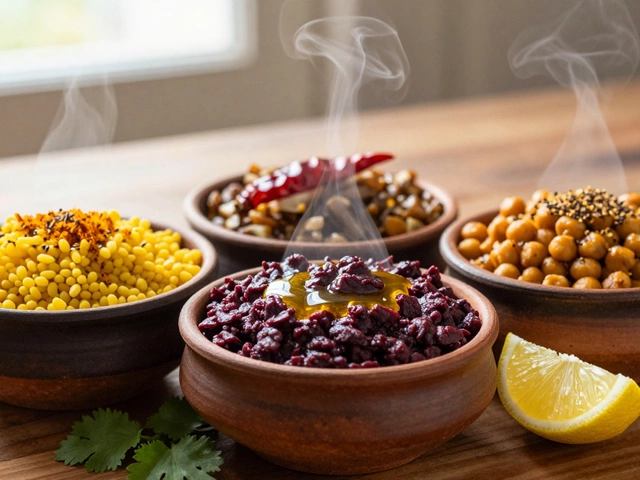
Chutney comes in endless forms. tamarind chutney, a sweet-sour paste made from tamarind pulp, jaggery, and spices is the classic partner for samosas. mint-coriander chutney, a fresh green blend of herbs, green chilies, and lemon cuts through fried snacks like a breeze. Then there’s coconut chutney in the south, made with grated coconut and roasted lentils, and garlic chutney in Maharashtra that packs a punch strong enough to wake up a sleepy palate. Each region has its own version, shaped by local ingredients and traditions. You won’t find the same chutney in Punjab that you’ll get in Kerala—but both are equally essential.
What makes chutney special isn’t just taste—it’s function. It balances spice, adds acidity, brings sweetness, and gives texture. A bowl of plain rice? Boring. Add a spoon of mango chutney, and suddenly it’s a celebration. It’s also shelf-stable, easy to make, and uses scraps—like overripe fruit or herb stems—that might otherwise go to waste. No fancy equipment needed. Just a mortar and pestle, or even a blender. And because it’s made fresh daily in homes across India, every batch is slightly different—like a fingerprint of the cook.
Chutney doesn’t care if you’re a beginner or a pro. You don’t need to master garam masala to make a good one. Just grab some ingredients, blend, taste, adjust. It’s forgiving. Too sour? Add sugar. Too spicy? Add yogurt. Too thin? Simmer it down. That’s the beauty of it. And because it’s so simple, it’s also deeply personal. Your grandmother’s mint chutney might have cumin. Your neighbor’s might have roasted peanuts. Neither is wrong. Both are right.
Below, you’ll find real guides from real home cooks—how to fix a broken coconut chutney, why tamarind chutney sometimes turns bitter, which chutneys pair best with which snacks, and even how to store them without losing flavor. No fluff. No theory. Just what works.
Is Pickle Relish a Chutney? The Real Difference Between Two Condiments
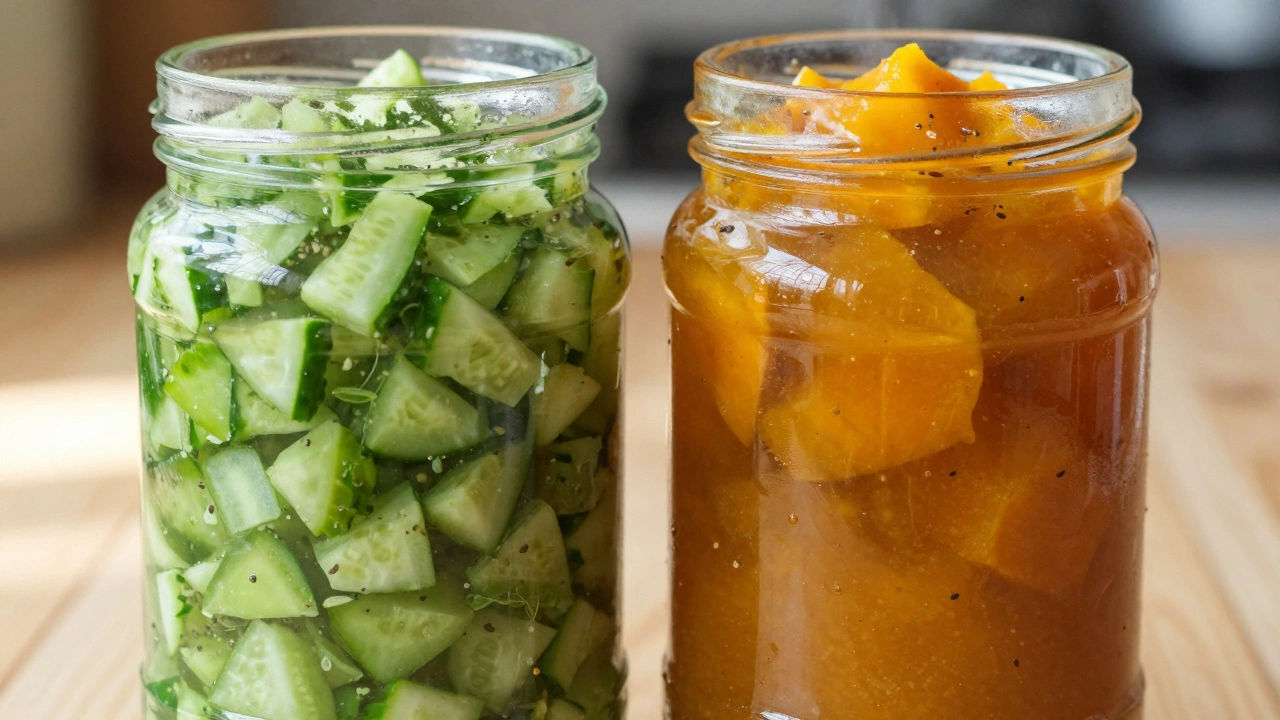
Pickle relish and chutney look similar but are worlds apart. One is a preserved condiment; the other is a living blend of spices, herbs, and fruit. Learn the real difference and why they shouldn’t be swapped.
Read More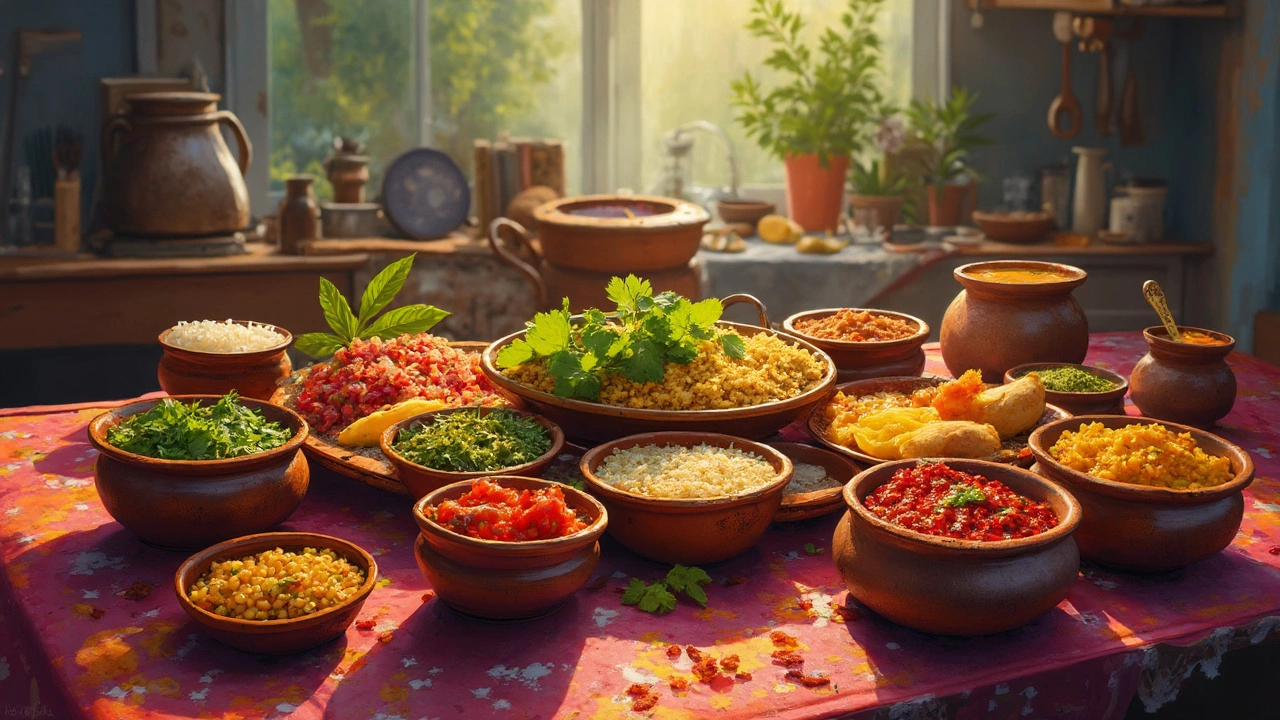
Chutney Pairing: Elevate Your Meals with Flavor
Chutney is more than just a condiment; it's a versatile ingredient that can elevate many dishes. From sandwiches to curries, a dollop of chutney can transform a meal from ordinary to extraordinary. This article explores various foods perfect for chutney pairing, shares easy tips for creative combinations, and provides insights into how chutney enhances flavors globally.
Read More