Biryani Tips: Essential Secrets for Perfect Flavor and Texture
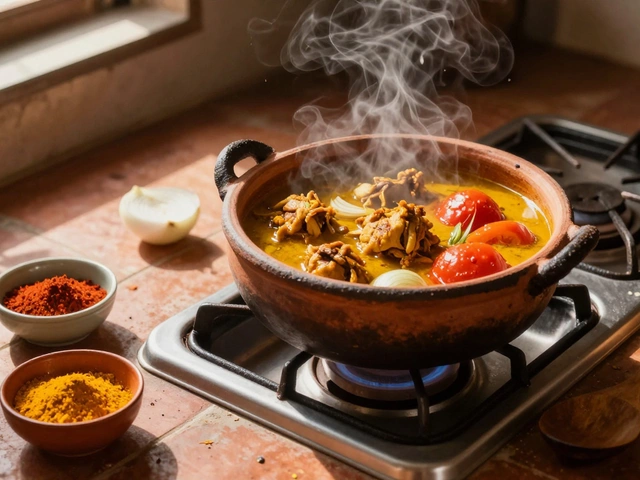
When you think of biryani, a layered rice dish from India with meat, spices, and saffron-infused rice. Also known as biryani rice, it’s more than just a meal—it’s a ritual of patience, spice, and timing. Too many people skip the small things and end up with mushy rice, bland meat, or a dish that smells good but tastes flat. The truth? Great biryani doesn’t come from expensive ingredients. It comes from biryani tips that have been passed down for generations.
One of the biggest mistakes? Not soaking the basmati rice, long-grain rice that stays separate and fragrant when cooked properly. Also known as aromatic rice, it’s the backbone of any real biryani. If you skip soaking, the grains won’t cook evenly. They’ll either stay hard in the middle or turn sticky. The right soak time—usually 30 minutes—lets the rice absorb water slowly so it expands just right when steamed. Then there’s the spice blend, a mix of whole spices like cardamom, cloves, cinnamon, and bay leaves that toast and release flavor before grinding. Also known as biryani masala, it’s not just ground powder—it’s the soul of the dish. Toasting whole spices before grinding makes them smell deeper, taste richer. And don’t forget the layering. You don’t just mix everything together. You build it: rice, meat, fried onions, saffron milk, herbs. Each layer adds texture and flavor. The steam that rises through those layers is what locks in the aroma.
People think biryani needs hours of cooking, but it’s really about control. Too much heat and the rice breaks. Too little and the meat stays tough. The secret? Par-cook the rice halfway, then let the steam finish it. That’s how you get those long, fluffy grains. And the garnish? Fried onions, fresh coriander, a splash of rose water—not just decoration. They’re flavor bombs that wake up the whole dish at the end.
Below, you’ll find real advice from people who’ve made biryani for years—not just recipes, but the little things they learned the hard way. How to fix dry biryani. Why you should never rinse rice after soaking. Which oil gives the best aroma. What happens if you skip the dum (steaming) step. These aren’t guesses. They’re tested, repeated, and trusted by home cooks across India. Whether you’re making chicken biryani for the first time or trying to nail the Hyderabadi version, these posts will show you how to get it right.

Which Liquid Is Used in Biryani? Biryani Recipe Secrets Revealed
Ever wondered what makes biryani so fragrant and tasty? The type of liquid you add can make or break your dish. This article digs into the most common liquids used in biryani, how each one affects flavor and texture, and tricks to get your rice just right. You’ll find practical advice for classic and modern biryani styles. Unlock the secrets of perfect biryani, whether you’re a beginner or a kitchen pro.
Read More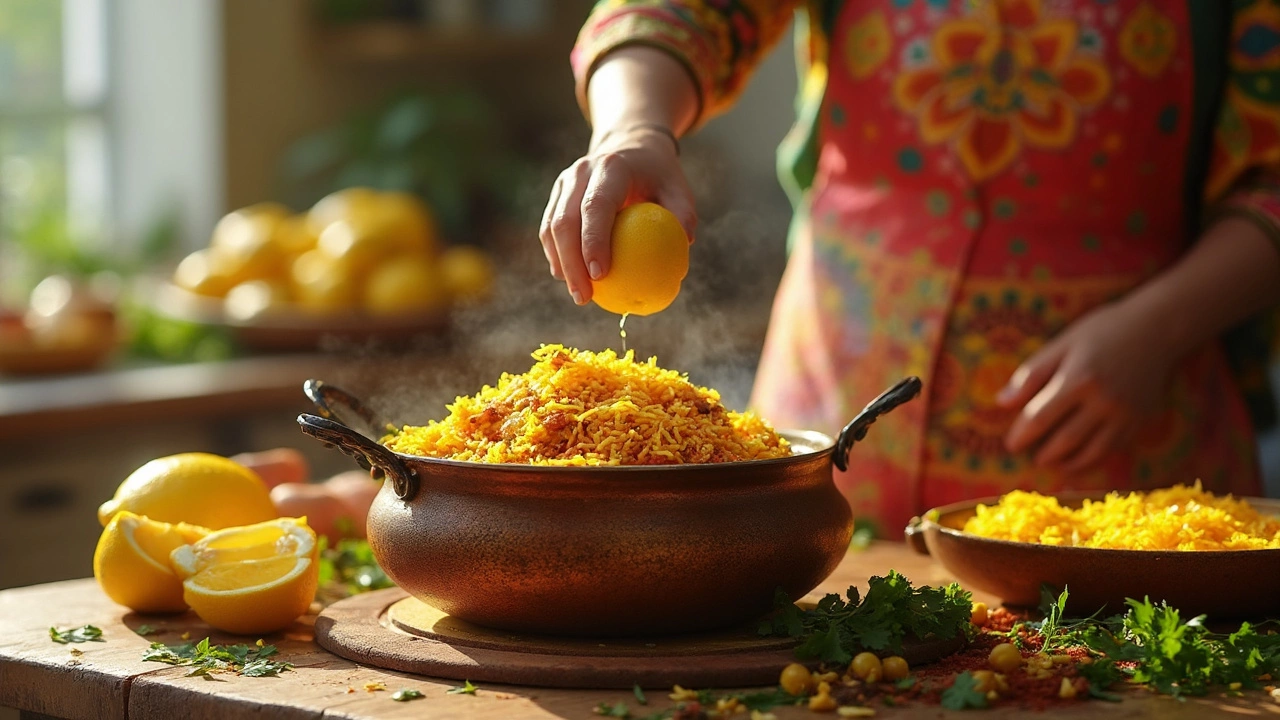
Why Add Lemon in Biryani? The Tangy Secret Explained
Ever noticed how a splash of lemon brings out something special in biryani? This article gets straight to the point on why lemon is more than just a garnish. Discover what really changes when you add it, how it works with other ingredients, and tips on using it the right way. There's actual food chemistry behind that tangy squeeze. Ready to upgrade your biryani game? Read on for all the details.
Read More