Biryani Preparation: How to Make Authentic Indian Biryani at Home
When you think of biryani, a fragrant, layered rice dish from India with meat, spices, and saffron. Also known as biryani rice, it’s not just food—it’s an event. Whether it’s Hyderabadi, Lucknowi, or Kolkata style, true biryani preparation is about patience, layering, and the right spice blend. This isn’t a one-pot curry. It’s a dance between rice, meat, aromatics, and slow steam—each layer telling a story of regional tradition.
What makes biryani preparation different from regular rice dishes? It’s the biryani spices, a precise mix of whole spices like cardamom, cloves, cinnamon, and star anise, toasted and ground just right. You don’t just throw in garam masala at the end. The spices are fried in ghee or oil first, releasing their oils slowly so they cling to the rice and meat. Then there’s the layering biryani, the method of alternating cooked rice with marinated meat, fried onions, saffron milk, and herbs. This isn’t mixing—it’s building. Each layer holds flavor, and the steam trapped under the lid turns it all into one harmonious dish.
People often think biryani needs fancy ingredients, but the real secret is timing and technique. Overcooked rice? Ruins it. Under-spiced meat? Boring. The best biryanis use basmati rice soaked just long enough, meat cooked till tender but not falling apart, and a touch of rose water or kewra for that signature perfume. You’ll find recipes here that show you how to do it right—whether you’re using chicken, goat, or even vegetables. No shortcuts that compromise taste.
And don’t forget the garnish—fried onions, fresh cilantro, boiled eggs, or even a drizzle of warm saffron milk. These aren’t decorations. They’re flavor anchors. The way you serve it matters too. Scooping from the top gives you rice and gravy. Digging down hits the meaty bottom. That’s why biryani isn’t eaten with a spoon like soup—it’s eaten with intention.
Below, you’ll find real guides from home cooks who’ve nailed this dish. Some break down the exact spice ratios. Others show how to make biryani without a dum (steam-cooking) pot. A few even explain how to fix common mistakes—like soggy rice or bland meat. Whether you’re making it for the first time or trying to upgrade your game, these posts give you the exact steps that work.
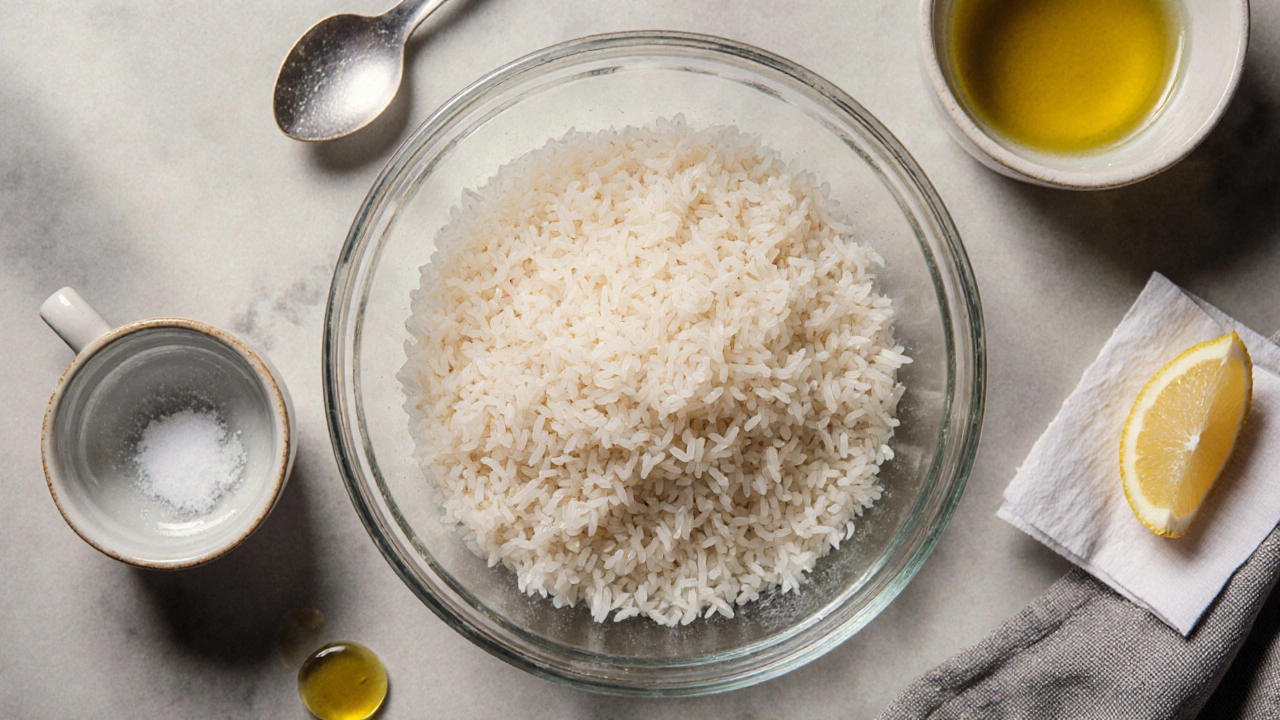
Optimal Soaking Time for Basmati Rice in Perfect Biryani
Learn the perfect soaking time for basmati rice to achieve fluffy, aromatic biryani grains. Includes step‑by‑step guidance, timing charts, and troubleshooting tips.
Read More