Avoid Stomach Upset: Simple Indian Food Tips to Stay Comfortable
When you eat Indian food, you want flavor—not a trip to the bathroom. avoid stomach upset, a common concern when eating spicy, oily, or improperly stored Indian dishes. It’s not about avoiding the food—it’s about knowing how to handle it right. Many people blame spices, but the real culprits are often freshness, storage, and timing. A bowl of dal might be healthy, but if the lentils were soaked too long or cooked in dirty water, it can turn from comfort to discomfort. Same with paneer: fresh is fine, but if it’s been sitting for days without refrigeration, even the best recipe won’t save it.
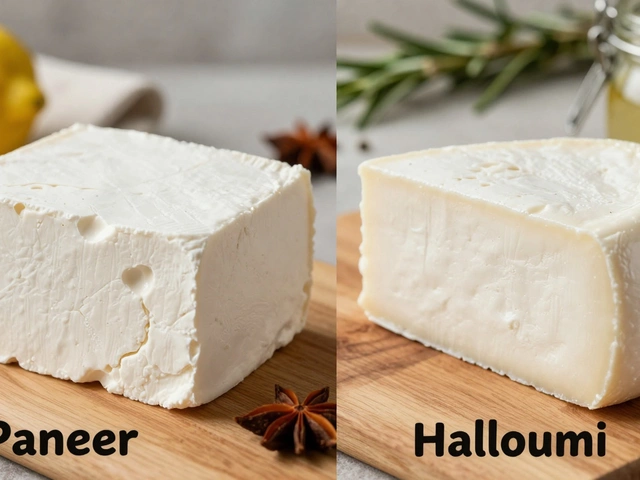
paneer, a fresh cheese common in Indian curries and snacks. Also known as Indian cottage cheese, it’s a staple in homes from Delhi to Chennai—but it spoils fast. Studies show homemade paneer can turn risky after just 5 days, even if it looks and smells normal. Cooking spoiled paneer doesn’t kill the bad bacteria; it just makes a hot, unsafe meal. Then there’s dal, a protein-rich lentil stew that’s eaten daily across India. Not all dals are equal: some, like moong dal, are easier on the stomach than heavier ones like chana dal. Choosing the right one, cooking it well, and pairing it with digestible sides like yogurt or ginger can make a big difference.
Spices like asafoetida (hing), a pungent powder used to aid digestion in Indian cooking aren’t just for flavor—they’re traditional digestive aids. A pinch in your dal or sabzi can reduce bloating. But even the best spice won’t fix a bad ingredient. Street food gets a bad rap, but it’s not the curry that’s the problem—it’s the oil reused ten times, the water used to wash veggies, or the milk left out overnight. You don’t need to avoid Indian food to avoid stomach upset. You just need to know what to look for: fresh ingredients, clean prep, and smart storage.
Some of the healthiest Indian meals—like idli, poha, or upma—are fermented or steamed, which means they’re gentle on digestion and packed with good bacteria. On the flip side, fried snacks, heavy gravies, and sugary sweets can throw off your gut, especially if you’re not used to them. The key isn’t to eat less Indian food. It’s to eat it smarter. Check how your paneer was made. Ask if the oil is fresh. Skip the pre-made chutneys that sit out all day. Stick to the basics: clean, simple, and freshly cooked. That’s how you enjoy the bold flavors of India without paying for it later.
Below, you’ll find real advice from people who cook Indian food every day—how to spot spoiled ingredients, which dals are easiest on the stomach, how to store paneer safely, and why some spices actually help digestion. No guesswork. No myths. Just what works.

How to Avoid a Bad Stomach in India - Practical Tips for Travelers
Practical tips to keep your stomach happy while traveling in India, covering water safety, food choices, hygiene, probiotics, and emergency steps.
Read More