South Indian Recipes: Authentic Dosa, Idli, and Fermented Breakfasts Made Simple
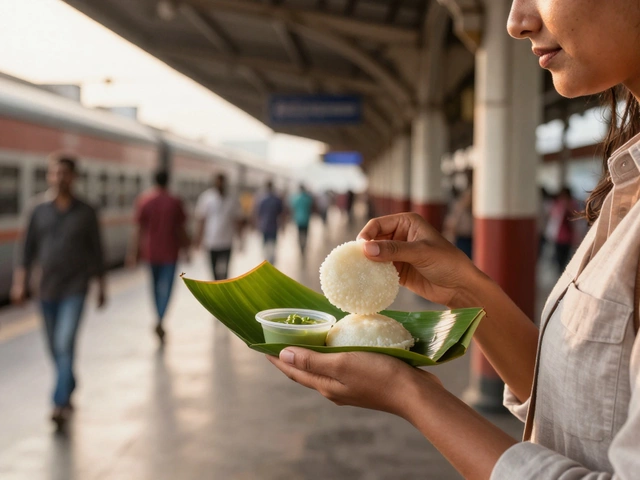
When you think of South Indian recipes, a vibrant collection of breakfast dishes built on fermented rice and lentil batters, known for their light texture and deep flavor. Also known as Dravidian cuisine, it’s the kind of food that starts your day right—crispy, fluffy, and packed with gut-friendly goodness. At the heart of this cuisine is dosa, a thin, crispy pancake made from fermented rice and urad dal batter, often served with chutney and sambar. It’s not just a breakfast—it’s a daily ritual across Karnataka, Tamil Nadu, Kerala, and Andhra Pradesh. And while dosa gets the spotlight, idli, steamed rice cakes that are soft, spongy, and naturally light. is its quieter, equally beloved sibling. Both rely on one magic process: fermentation, a natural bacterial process that breaks down starches, boosts digestibility, and gives these foods their signature tang and fluff. This isn’t just tradition—it’s science. Fermentation increases B vitamins, makes proteins easier to absorb, and turns a simple mix of rice and dal into something that supports your gut health.
But here’s the thing: not everyone has 12 hours to wait for batter to rise. That’s why so many of these recipes now include hacks—like using baking soda, adding fenugreek seeds, or even skipping fermentation altogether. You’ll find answers to questions like: Why does adding soda make dosa puff up? Is sour batter bad, or just extra flavorful? Can you really make dosa without waiting overnight? And what’s the real difference between eating dosa versus rice for your waistline? These aren’t just cooking tips—they’re lifestyle choices. People use these recipes to manage weight, improve digestion, or simply eat better without giving up flavor. Whether you’re trying to cut belly fat, boost your gut health, or just make the perfect crispy dosa on a busy morning, South Indian recipes give you options. You don’t need fancy equipment. Just rice, urad dal, salt, and patience—or a pinch of baking soda if you’re in a hurry.
What you’ll find below isn’t just a list of recipes. It’s a toolkit. From soaking times for urad dal to why fenugreek is the secret weapon in every good batter, each post cuts through the noise. You’ll learn what actually makes dosa fluffy, whether idli is healthier than dosa, and how to fix sour batter before it ruins your day. No fluff. No guesswork. Just clear, tested advice from kitchens that do this every single morning.
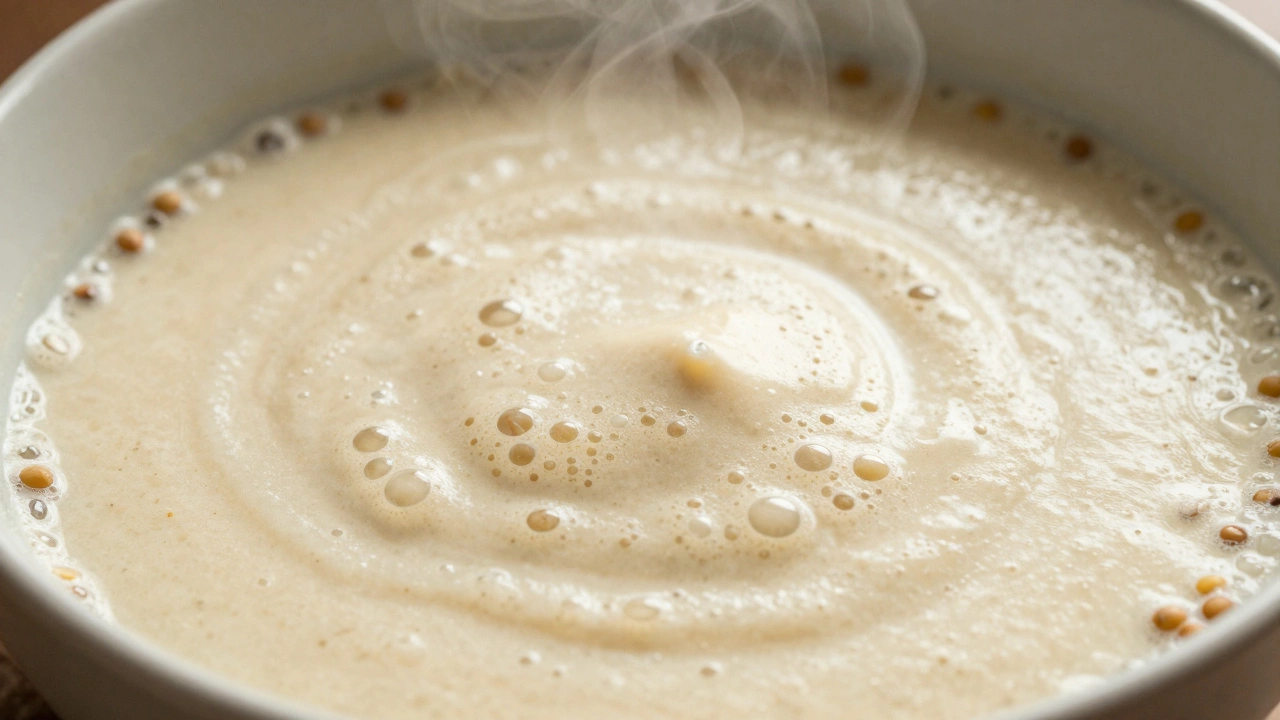
Why Does Dosa Batter Become Sour? The Science Behind the Fermentation
Dosa batter becomes sour due to natural fermentation by wild bacteria that convert starches into lactic acid. This process makes dosas light, digestible, and flavorful - not spoiled.
Read More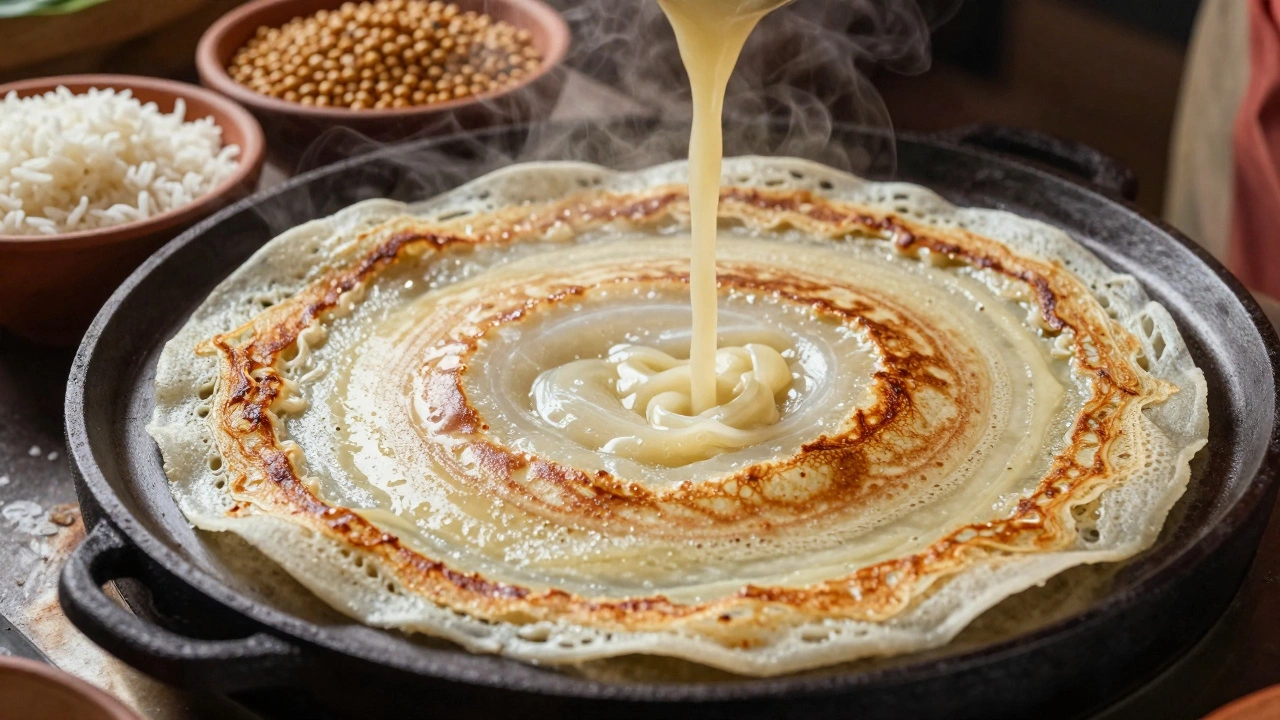
Why Do We Add Rice in Dosa Batter? The Science Behind the Perfect Crispy Dosa
Rice in dosa batter isn't just tradition-it's science. It creates crispness, controls fermentation, and gives dosa its signature texture. Learn why skipping rice ruins dosa and how to get it right every time.
Read More
How to Ferment Dosa Batter in Just 1 Hour: Speedy South Indian Breakfast Tricks
Can you really ferment dosa batter in 1 hour? Discover science-backed tricks, instant methods, and hacks for speedy, homemade South Indian dosas.
Read More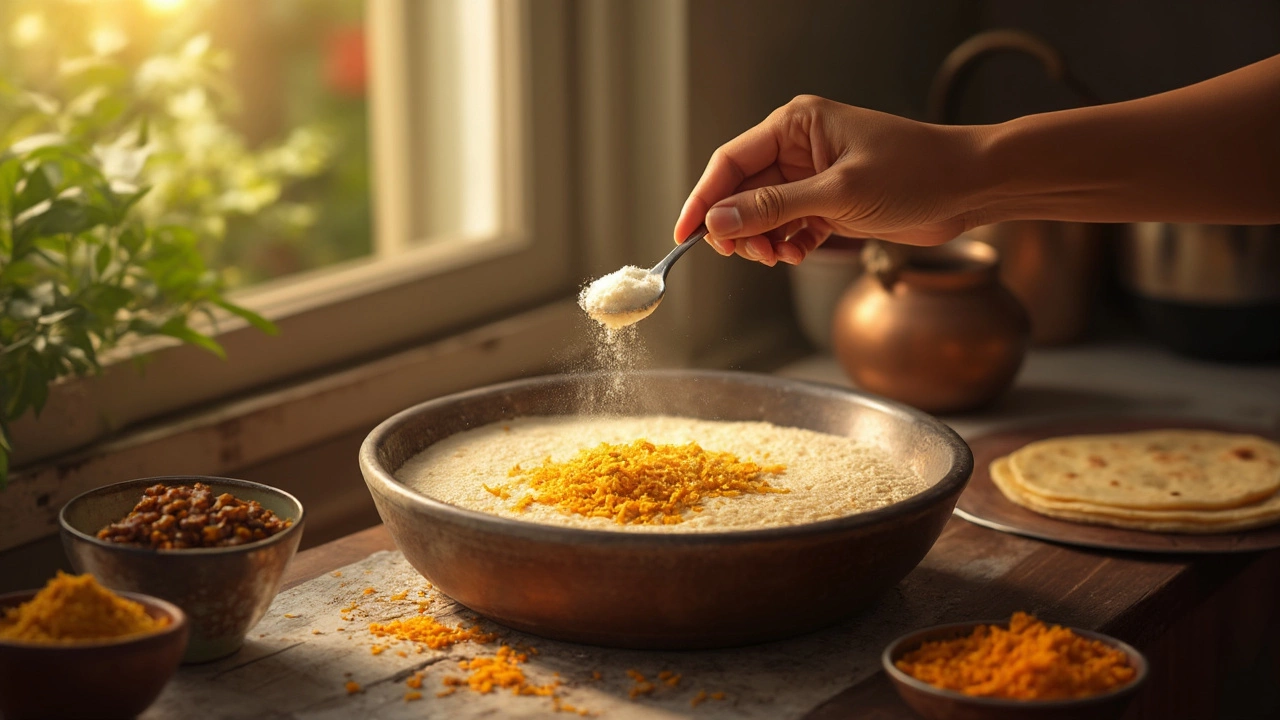
Why Add Soda to Dosa Batter? The Science Behind Fluffier Dosas
Wondering why some dosa batters call for soda? This article breaks down how adding soda changes the texture, look, and taste of dosas. You'll get practical tips, common mistakes to avoid, and ideas for better results in your kitchen. Even if you're new to dosa-making, you'll learn exactly when (and when not) to reach for the soda. It's all about taking the guesswork out of crispy, golden dosas at home.
Read More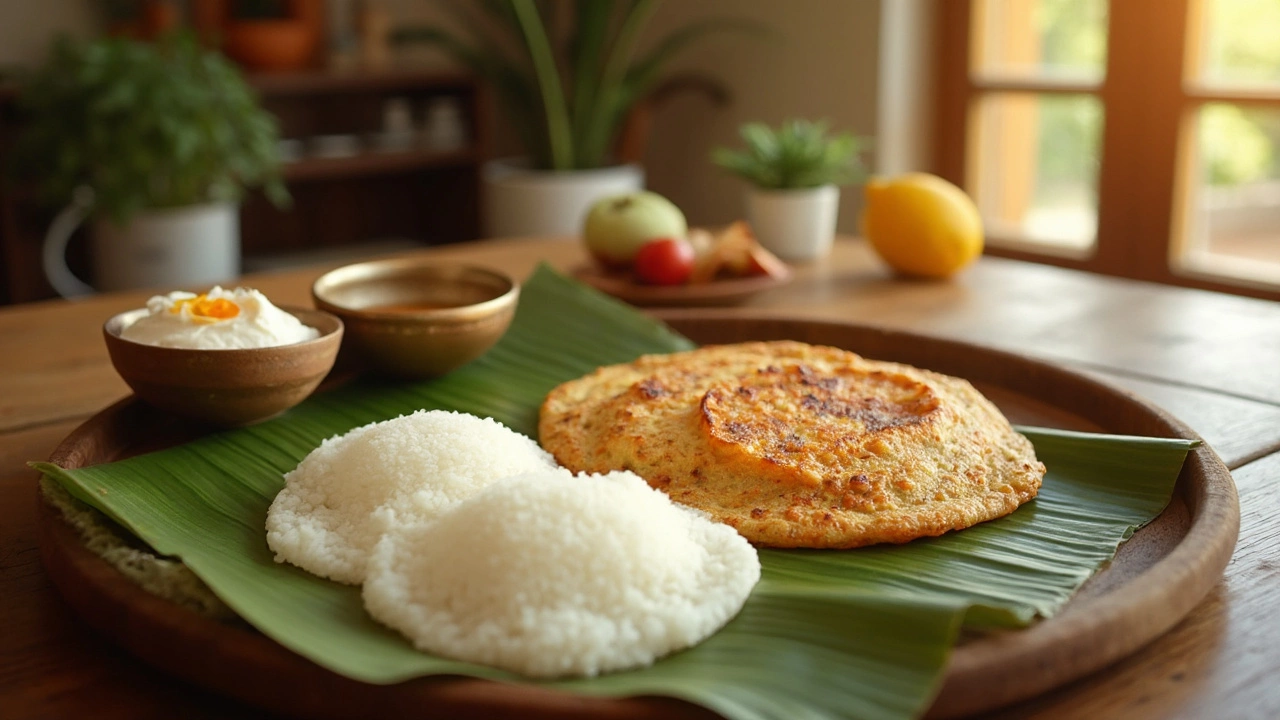
Idli vs. Dosa: Which Is Healthier for You?
Ever wondered if you should pick idli or dosa as the healthier choice? This article peels back the layers on both these South Indian classics, looking at calories, nutrition, portion sizes, and how your choice of batter can make a difference. You'll discover which is better for weight watchers, which keeps you full for longer, and what tweaks can level up their health factor. Simple tips and honest facts—no fluff. If dosa batter's on your mind, this is your no-nonsense guide.
Read More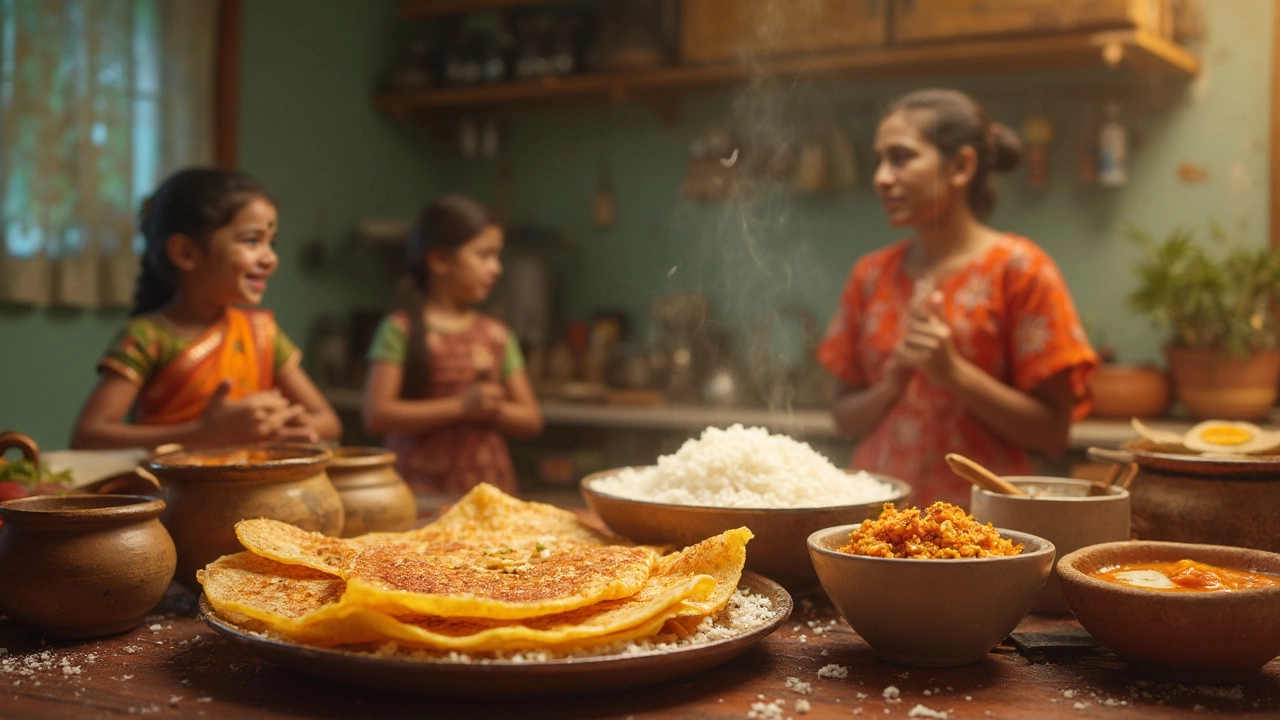
Is Dosa Healthier or Rice? Real Talk for Your Plate
When you’re torn between dosa and rice for your next meal, the choice isn’t just about taste. This article compares dosa and plain rice from a health and nutrition angle, unpacking carbs, proteins, and even gut benefits. You’ll get to know what actually happens when you swap out rice for dosa or vice versa. We’ll also dive into why dosa batter matters and what to tweak for better health. Expect real answers and a few surprises if you thought one was the clear winner.
Read More
Baking Soda in Dosa Batter: The Simple Science Behind Softer, Fluffier Dosas
Ever wondered why some dosa batters turn out super soft and others fall flat? This article unpacks how baking soda works a little magic in dosa batter, making the texture lighter and the dosas crispier. From the science to everyday kitchen tips, you'll find practical answers on getting the perfect dosa. Get ready to learn what makes your favorite South Indian breakfast so addictive. No need for complicated tricks—just a pinch of baking soda is enough to change the game.
Read More
How Long Does Urad Dal Need to Soak for Perfect Dosa Batter?
Soaking urad dal is the first big step to getting your dosa batter just right. Timing matters—too little and the dal stays hard, too much and the batter turns sour. This article breaks down the ideal soaking time, tests what really works, and gives practical tips that save you from rookie mistakes. You'll also spot ways to tweak soaking to fit tight schedules. Every useful detail you need for light, crispy dosas—no confusing jargon.
Read More
Is Dosa Gut Friendly?
Exploring if dosa is good for your gut health might surprise you with positive insights. Dosa is not just a scrumptious treat but also holds potential benefits for your digestive system, especially thanks to its fermentation process. We'll dive into what makes this beloved South Indian dish a possible ally to your gut. Learn not only about its benefits but also how to enhance its gut-friendly properties right from your kitchen. Discover reasons to include dosa more often in your meals!
Read More
Is Dosa Good for Belly Fat? Exploring its Impact
Wondering if dosa is good for reducing belly fat? This article delves into the nutritional aspects of dosa, discussing its potential impact on weight and offering practical insights into maintaining a balanced diet. Learn how to make healthier dosa choices, understand its effects on your waistline, and find out tips for making a batter that suits your dietary goals.
Read More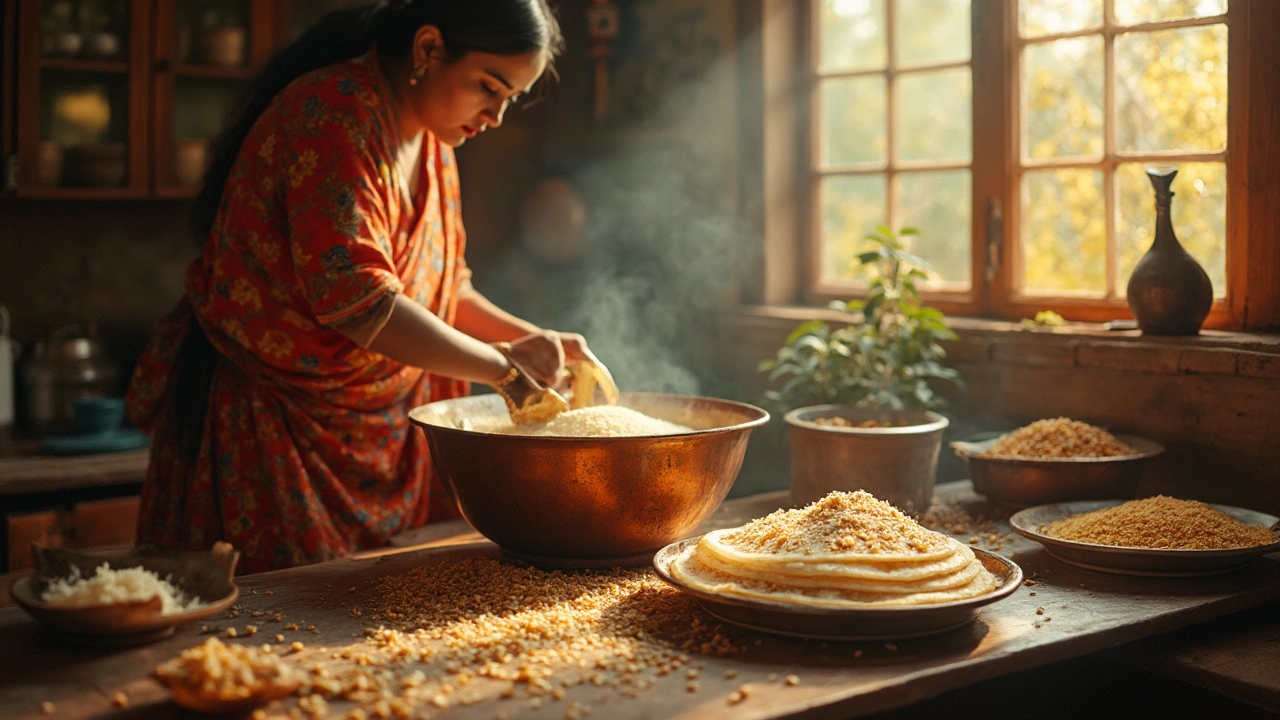
Why Fenugreek is Added to Dosa Batter
Fenugreek plays a crucial role in dosa batter by enhancing fermentation and offering nutritional benefits. It adds a unique flavor and helps the batter rise, resulting in crispy, fluffy dosas. This article explores the science behind fenugreek's effects and offers practical tips for its use in dosa preparation.
Read More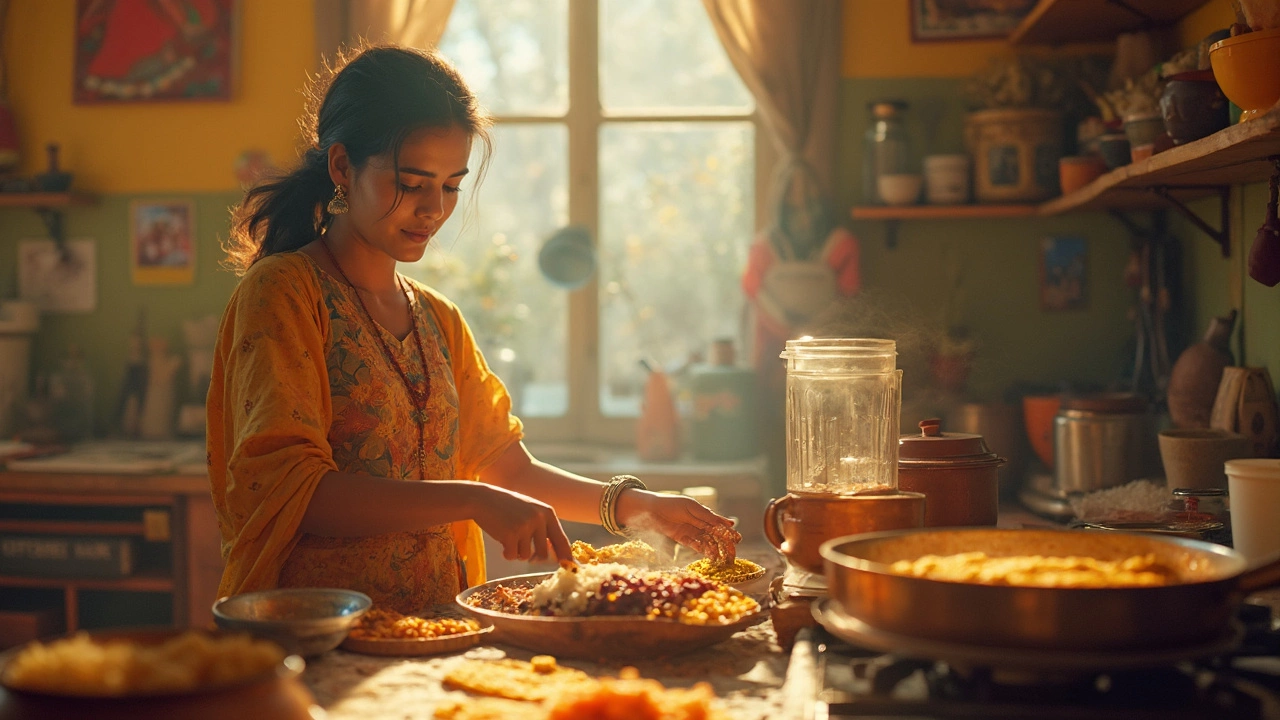
Can I Make Dosa if Batter Is Not Fermented?
Think you can't make dosa without fermented batter? Think again! While fermentation adds a unique flavor and a fluffy texture, there are quick hacks for when time is not on your side. Dive into methods that help you make delicious dosas using unfermented batter. Learn interesting facts, tips, and steps to adapt your batter with ease. Discover the joys of flexibility in Indian cooking.
Read More