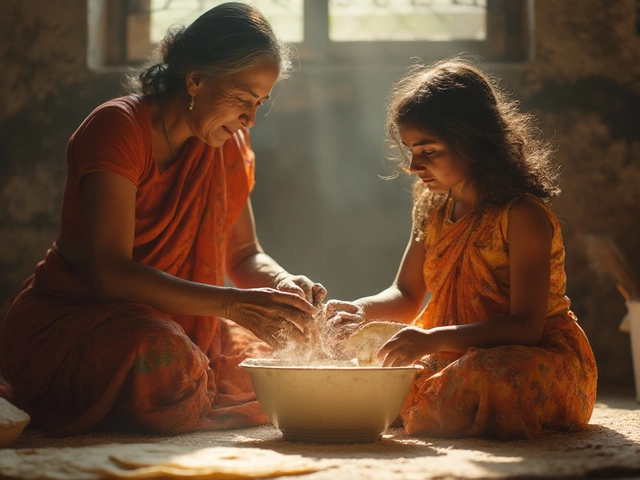
Indian Sweets: Discover the History, Sweeteners, and Iconic Desserts of India
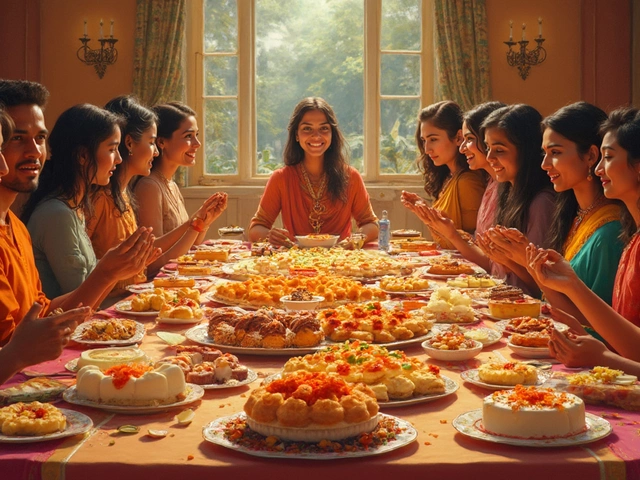
When you think of Indian sweets, a vibrant category of traditional desserts deeply rooted in India’s culinary and cultural rituals. Also known as mithai, it’s not just sugar and milk—it’s history served on a plate. From temple offerings to wedding tables, these treats carry stories older than most modern nations. One of the oldest, Peda, a dense, milk-based sweet originating in Mathura over 500 years ago. Also known as milk fudge, it’s made with just two ingredients: milk and sugar, slow-cooked until it thickens into a rich, melt-in-your-mouth bite. That’s the magic of Indian sweets—they don’t need fancy gadgets or exotic spices. Just patience, tradition, and a deep understanding of how heat transforms milk into something sacred.
But what gives these sweets their signature depth? It’s not white sugar alone. Jaggery, a natural sweetener made from sugarcane or palm sap, unrefined and full of molasses flavor. Also known as gur, it’s the secret behind the earthy richness in sweets like gur ka halwa or chikki. Then there’s khoya, milk solids reduced for hours until they become a thick, creamy base for sweets like barfi and peda. Also known as mawa, it’s the backbone of dozens of regional desserts, giving them texture and depth that store-bought sugar can’t match. Even Gulab Jamun, the syrup-soaked fried dough balls loved across India and beyond. Also known as luqmat al-qadi in its Persian roots, it’s a perfect example of how food travels, adapts, and becomes home. These aren’t just ingredients—they’re cultural anchors.
Indian sweets aren’t just about taste. They’re about timing—diwali, weddings, births, even funerals. They’re about sharing. And they’re about balance: sweet, yes, but never cloying, thanks to the careful use of cardamom, saffron, or rosewater. You’ll find stories here about how sugar consumption in India compares globally, why certain sweets are tied to specific regions, and how a simple milk dessert from 1500 AD is still made the same way today. Whether you’re curious about the science behind khoya, the history of jaggery, or why Gulab Jamun shows up at every celebration, what follows is a curated look at the sweets that define a nation—one bite at a time.
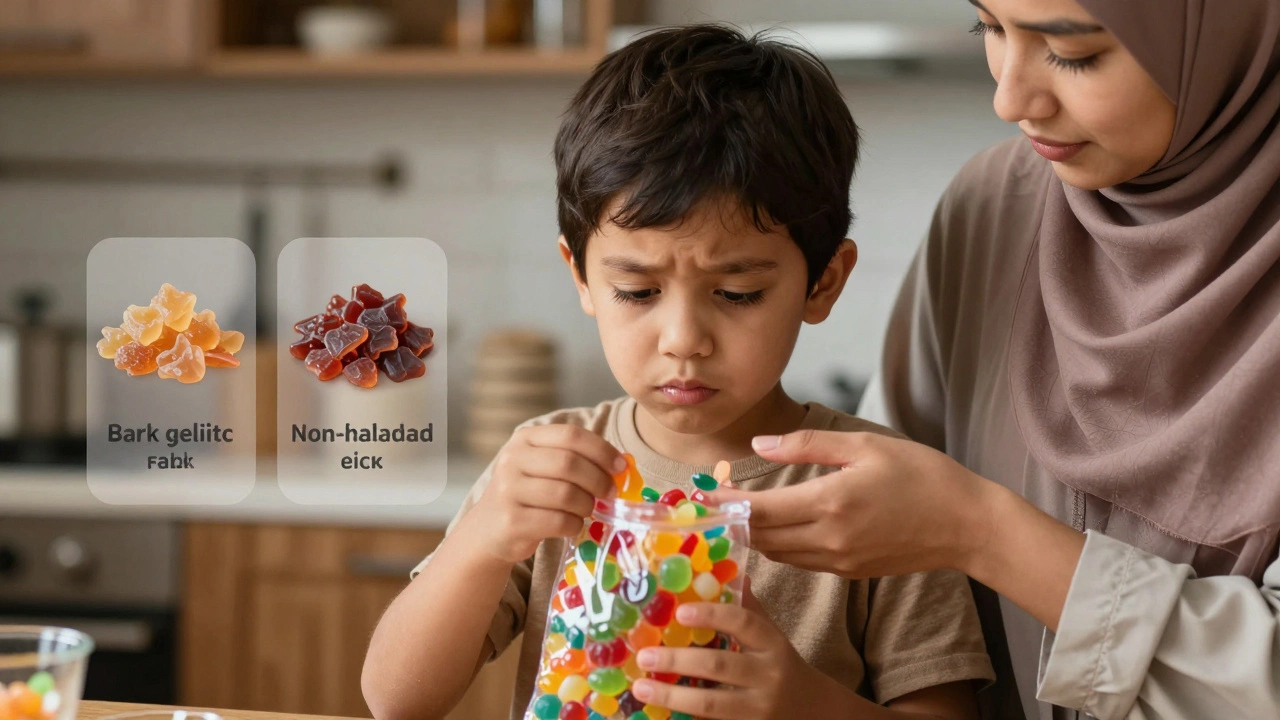
Why Can't Muslims Eat Gummies? The Hidden Ingredients That Make Them Haram
Many gummy candies contain gelatin from non-halal animal sources, making them forbidden for Muslims. This article explains why, what to look for, and how to find or make safe alternatives using traditional Indian sweet ingredients.
Read More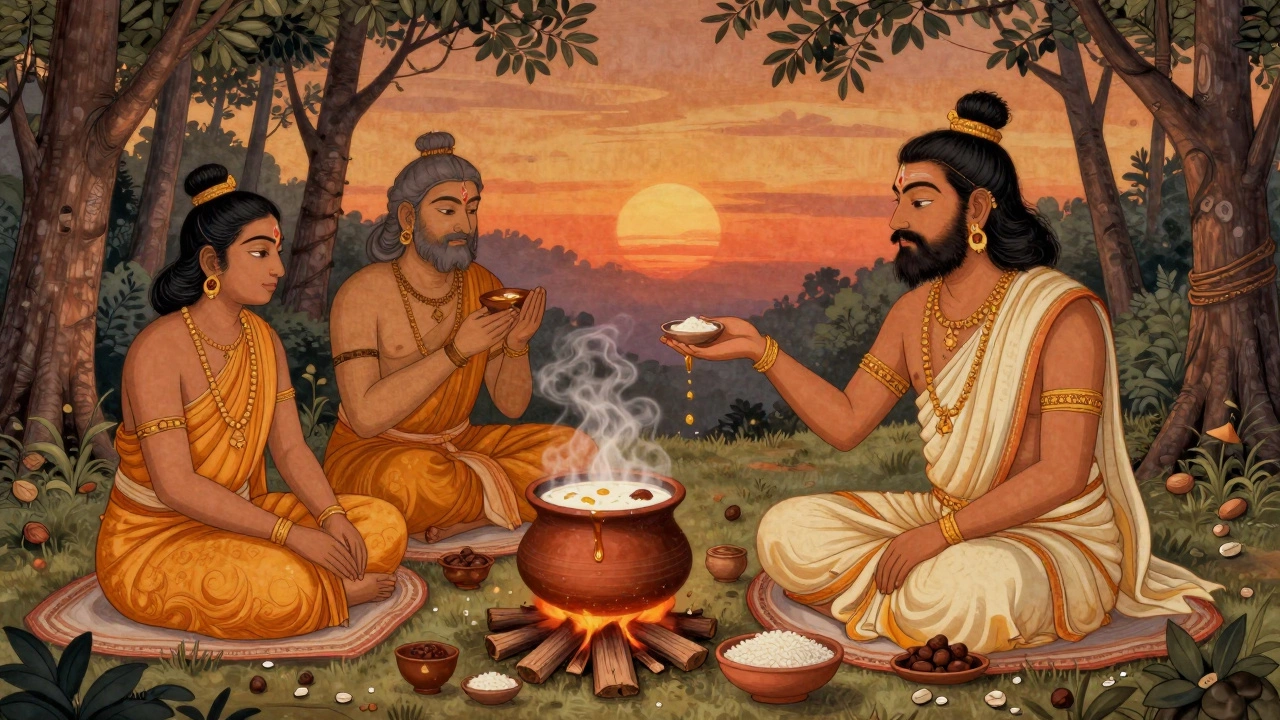
India's Oldest Sweet Dish: Payasam's 3000-Year History
Discover how Payasam, India's oldest sweet dish, dates back to the Rigveda. Learn its evolution from Vedic rituals to regional variations and why it remains a cultural treasure today.
Read More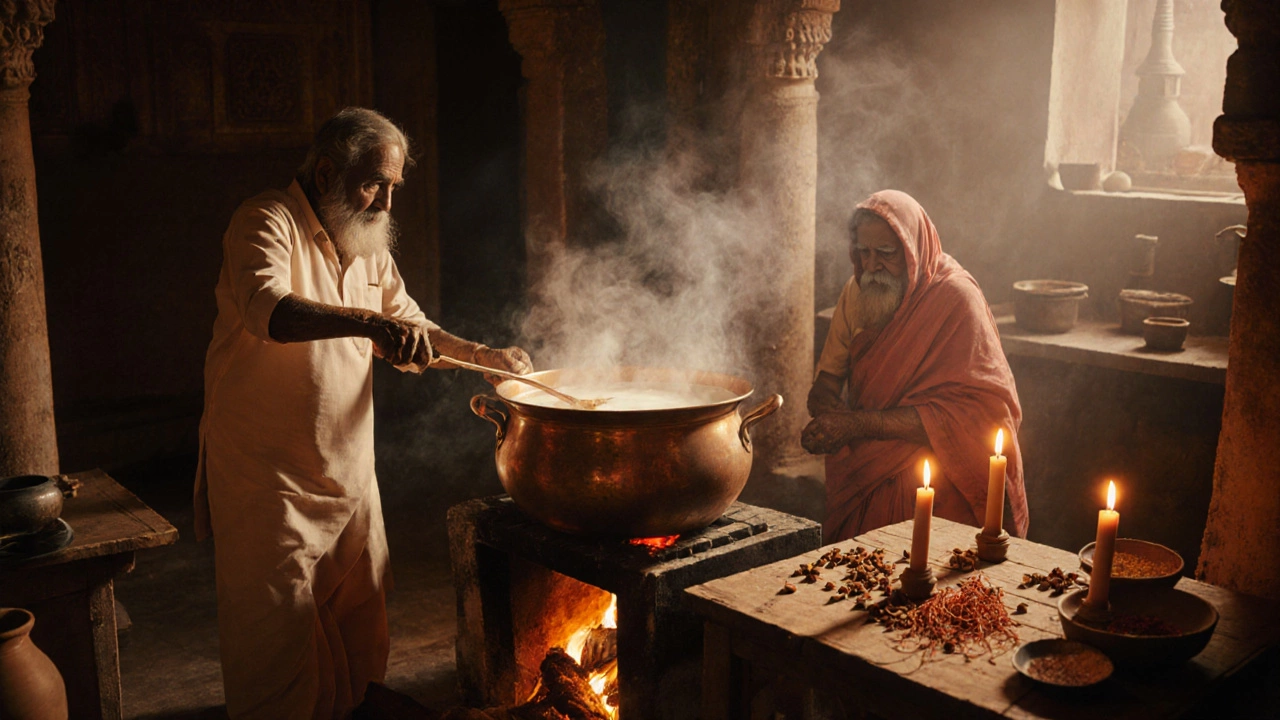
What Is the Oldest Sweet in India? The Ancient Origins of Peda
Peda is the oldest known sweet in India, dating back over 500 years to Mathura. Made from just milk and sugar, it's a simple, sacred dessert still made the same way today.
Read More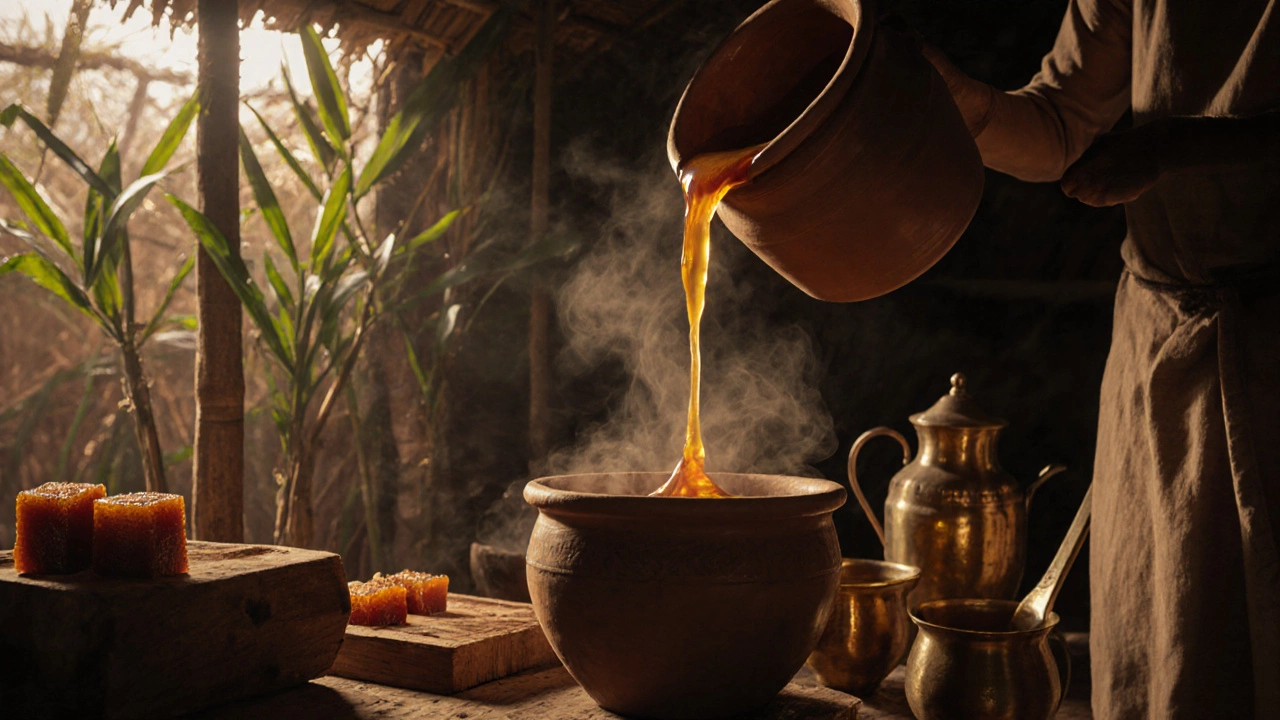
What Sweetener Is Used in Indian Sweets? Traditional Sugars and Alternatives Explained
Indian sweets use more than just sugar-jaggery, khoya, and palm syrup are traditional sweeteners that give unique flavor and texture. Learn what's really in your favorite desserts.
Read More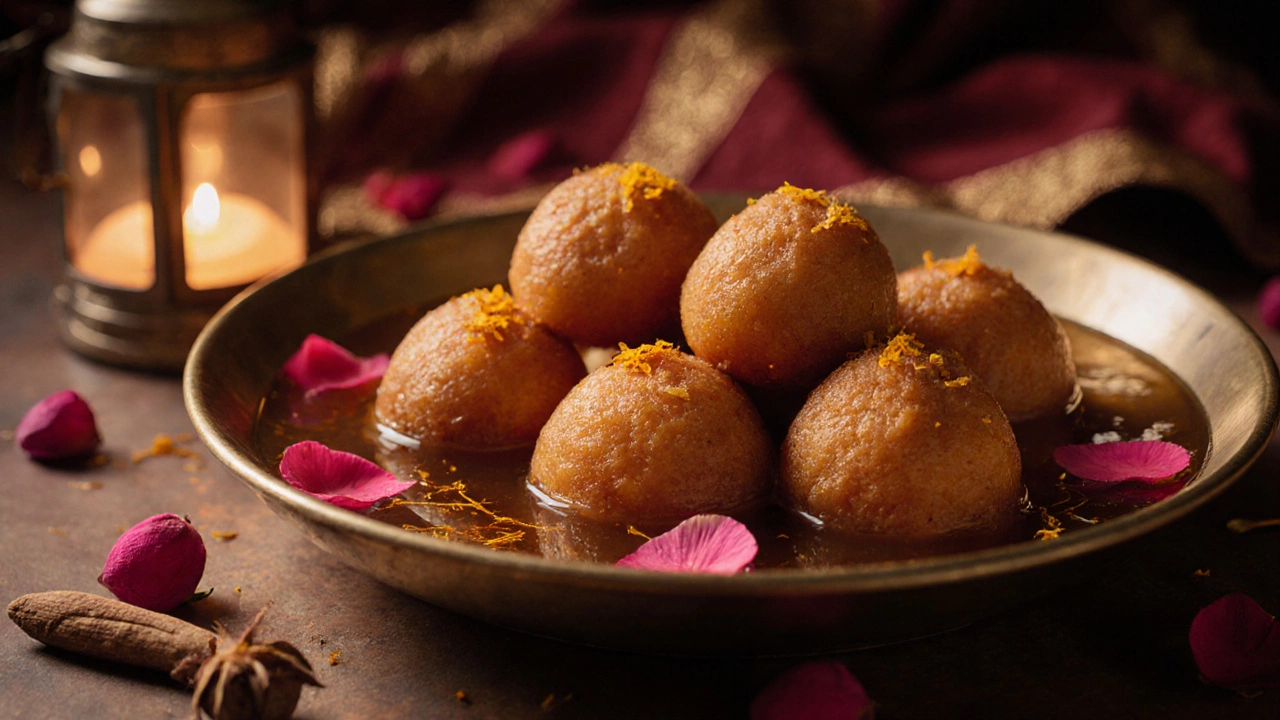
Discover India's Iconic Traditional Sweet: Gulab Jamun Explained
Explore the history, recipe, and regional twists of India's iconic traditional sweet, Gulab Jamun, and compare it with other classic Indian mithai.
Read More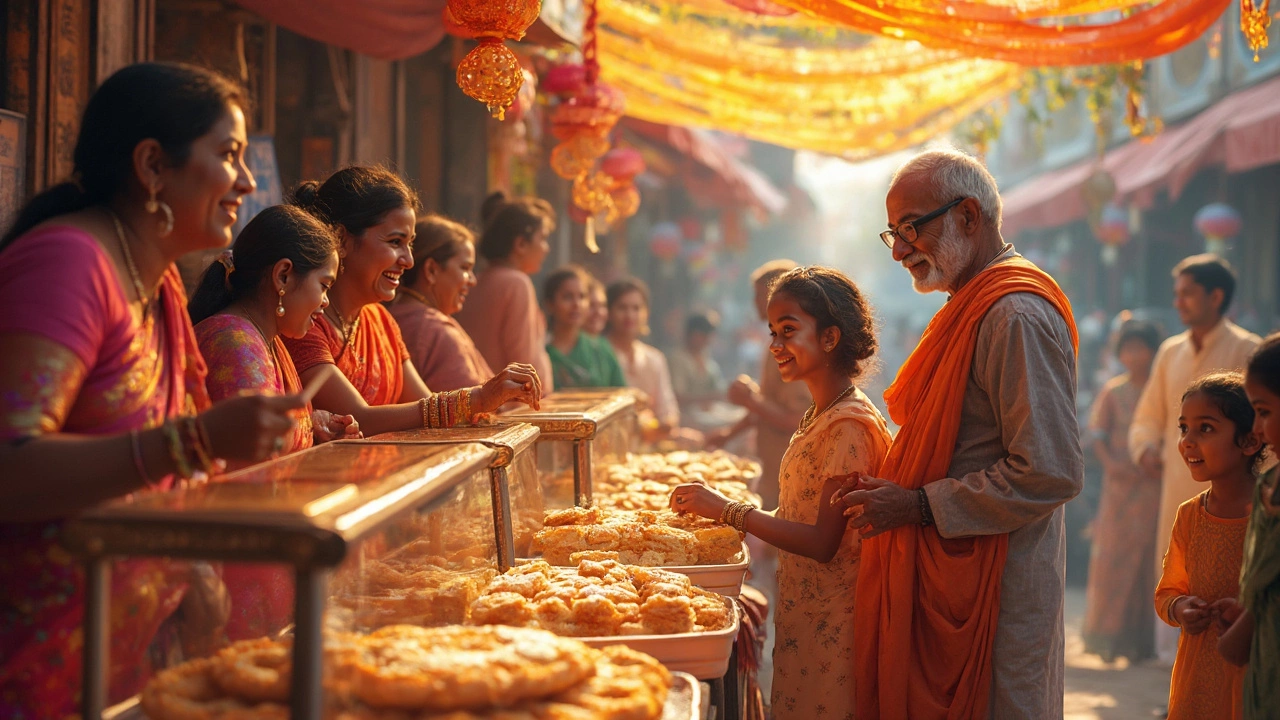
Which Race Consumes the Most Sugar? A Look Through the Lens of Indian Sweets
Ever wondered which part of the world really tops the list when it comes to sugar intake? This article zeroes in on global sugar habits, comparing data across groups, with a special spotlight on India and its deep love for sweet treats. Discover not just the numbers but also how Indian desserts fit into the bigger sugar picture. You'll find out what makes Indian sweets unique, why sugar holds such a big place in daily life, and smart ways to enjoy these treats without going overboard.
Read More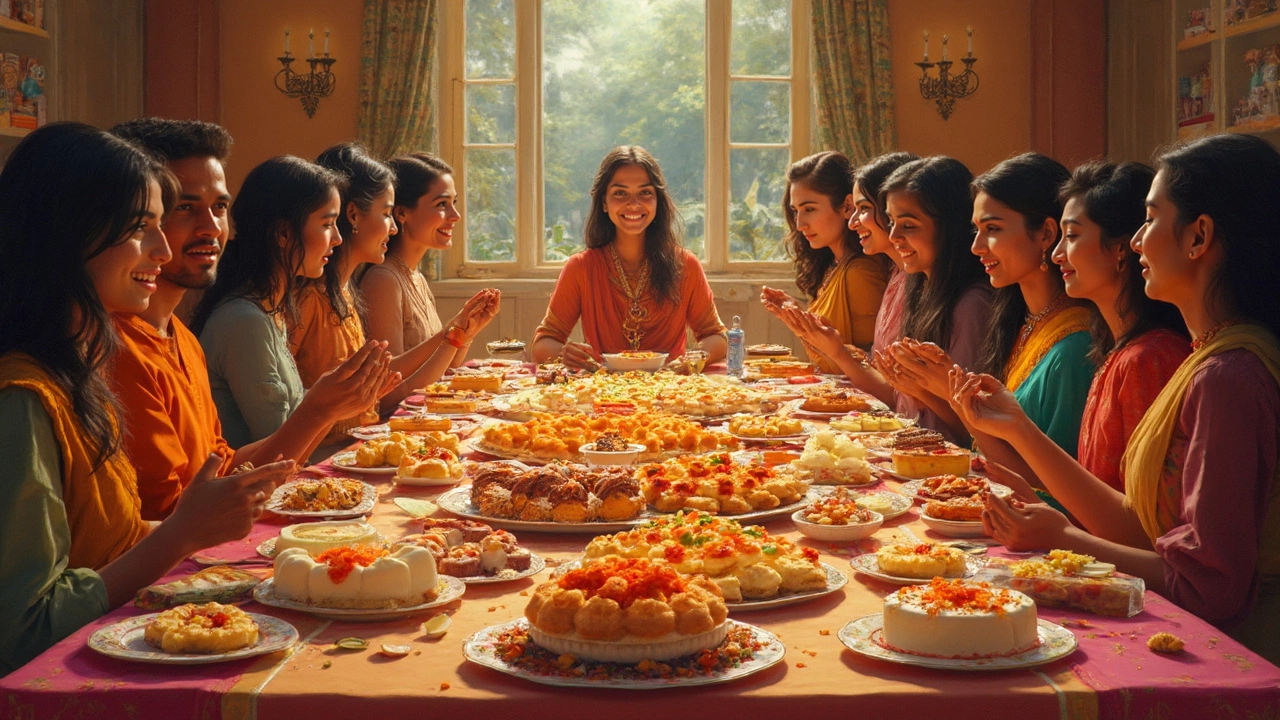
What Nationality Eats the Most Sweets? Facts, Favorites, and the Indian Sweets Connection
Ever wondered which country can't stop at just one piece of dessert? This article looks into which nationalities have the biggest sweet tooth and why. You'll find real numbers, surprising trends, and the unique place Indian sweets have in this global craving. Plus, there are tips for enjoying sweets mindfully and how Indian-inspired treats fit into the world's dessert scene. Get ready for some eye-opening facts and handy suggestions.
Read More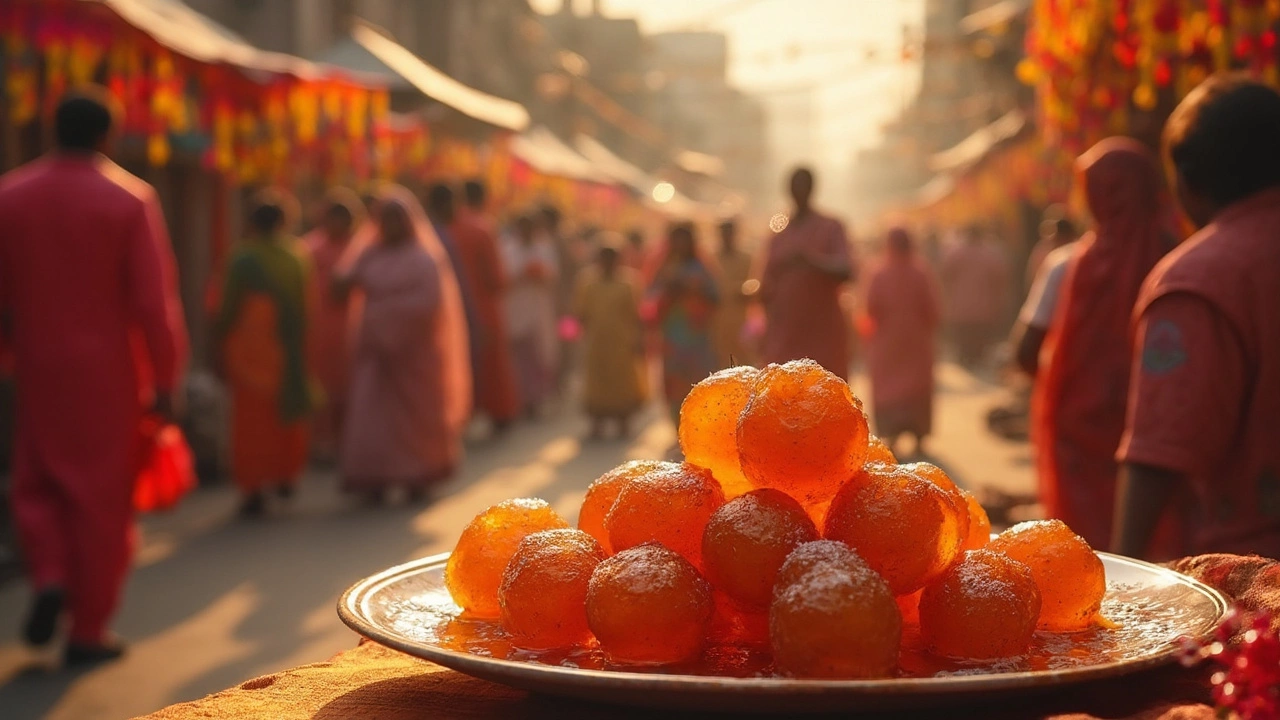
Discover India's Sweet Love Affair: Gulab Jamun's Surprising Origins
Gulab Jamun, a beloved dessert in India, actually traces its roots to Persia. Originally called 'Luqmat al-Qadi,' this dessert made its way to India with Persian invaders and was adapted to local tastes. Known for its soft, syrupy goodness, Gulab Jamun has become a staple at festivals and celebrations across India. Learn about its history, variations, and handy tips to make perfect Gulab Jamun at home.
Read More