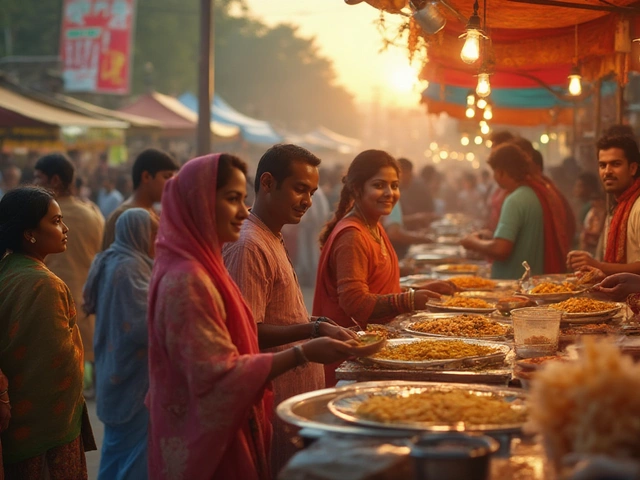
Dal Recipes: Simple, Nutritious Lentil Dishes for Everyday Cooking
When you hear dal, a staple Indian dish made from cooked split lentils or legumes. Also known as lentil stew, it's one of the most common foods eaten daily across India, from rural villages to city kitchens. It’s not just food—it’s comfort, it’s nutrition, and it’s often the first thing you’ll find on a home-cooked Indian plate. Whether you call it lentils, dal, or something else, this dish is built on simplicity and flavor that lasts.
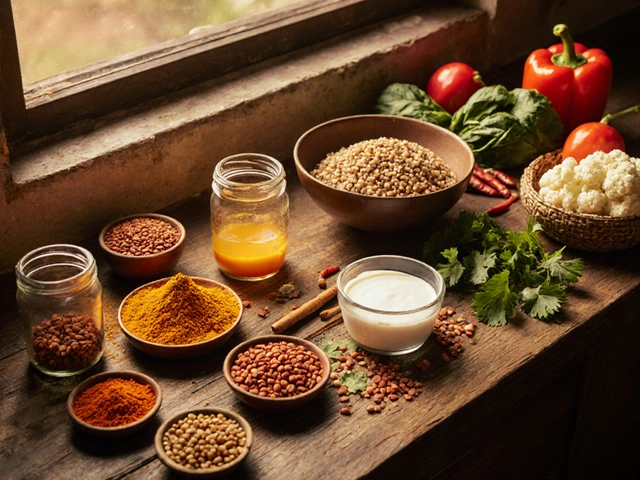
Dal isn’t one single thing. It includes toor dal, split pigeon peas, masoor dal, red lentils, chana dal, split chickpeas, and more. Each has its own texture, cooking time, and nutritional profile. For example, masoor dal cooks fast and is rich in iron, while toor dal gives you more protein and fiber. You don’t need fancy ingredients—just water, salt, a pinch of turmeric, and a quick tempering of cumin, garlic, and dried chilies in ghee to turn plain dal into something unforgettable.
What makes dal so powerful isn’t just what’s in the pot—it’s how you finish it. That sizzle of spices in hot oil? That’s called tadka, and it’s the secret behind most great dals. A little ghee, some asafoetida, and a sprinkle of coriander can lift the whole dish. And if you’re wondering which dal is healthiest, the answer depends on your needs: masoor dal for quick energy, urad dal for protein, or moong dal if you want something easy to digest. Even if you live in the USA, you can find these dals in most Indian grocery stores or even online. They’re affordable, shelf-stable, and packed with nutrients that keep you full longer than processed carbs ever could.
You don’t need to be an expert to cook dal well. Start with the basics—rinse the lentils, boil them soft, and add a dash of spice. Then experiment. Try adding tomatoes for tang, a bit of ginger for warmth, or even a spoonful of coconut milk for creaminess. The flavor of dal changes with every household, every region, every cook. And that’s the beauty of it. Below, you’ll find real guides from people who cook this every day: how to fix bland dal, which lentils give you the most bang for your buck, and why chickpeas aren’t the same as lentils—even though they’re often mixed up. No fluff. No jargon. Just clear, useful tips to make your dal taste better, work faster, and nourish you better.
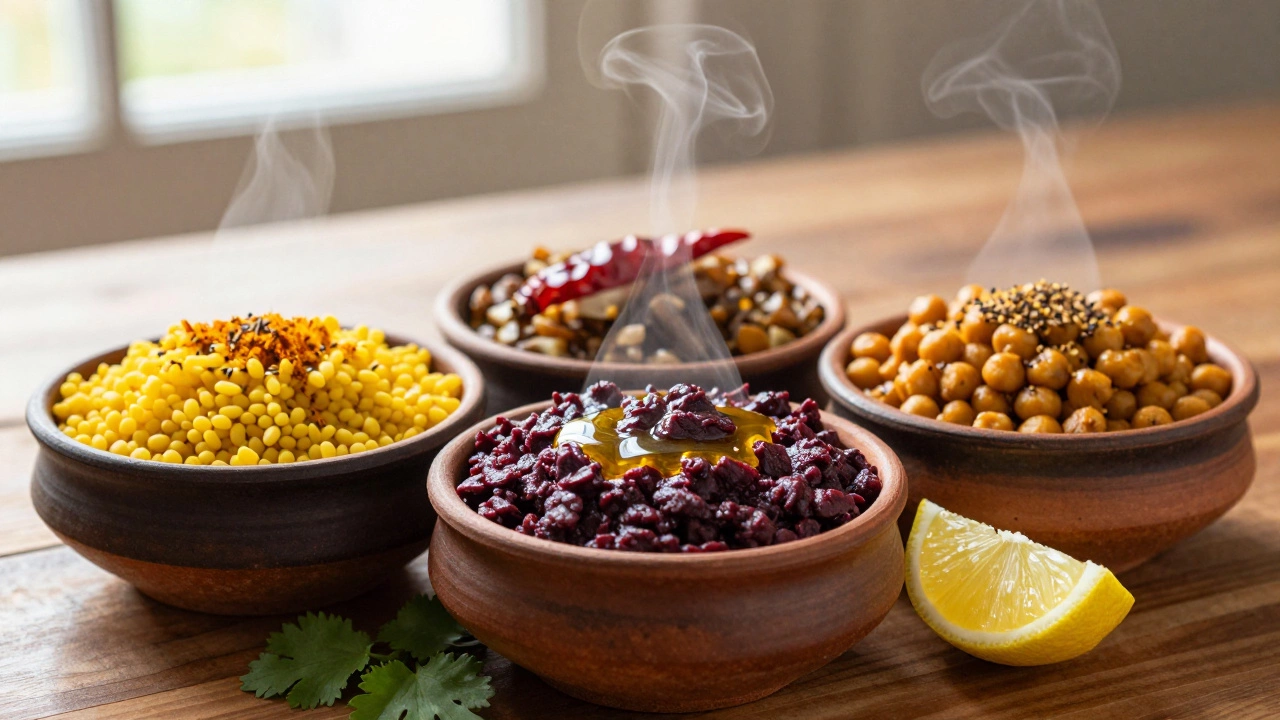
Which Dal Is Best for Belly Fat Loss? Top 3 Options Backed by Nutrition
Moong, masoor, and chana dal are the top three legumes proven to help reduce belly fat. Learn which one works best, how to cook it right, and what to avoid for real results.
Read More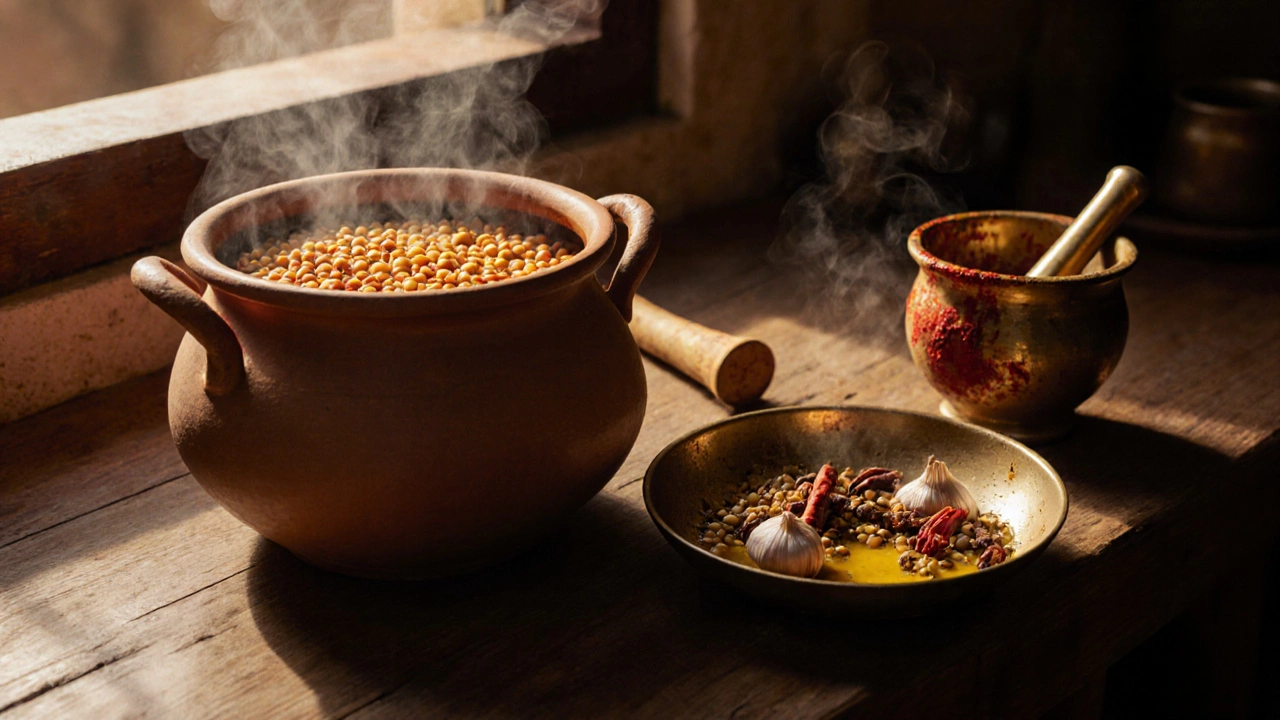
What Is the English Version of Dal? Simple Answers for Home Cooks
Dal is the Indian term for split lentils cooked into a simple, spiced stew. While often called 'lentils' in English, dal includes several types of legumes and is a daily staple across South Asia.
Read More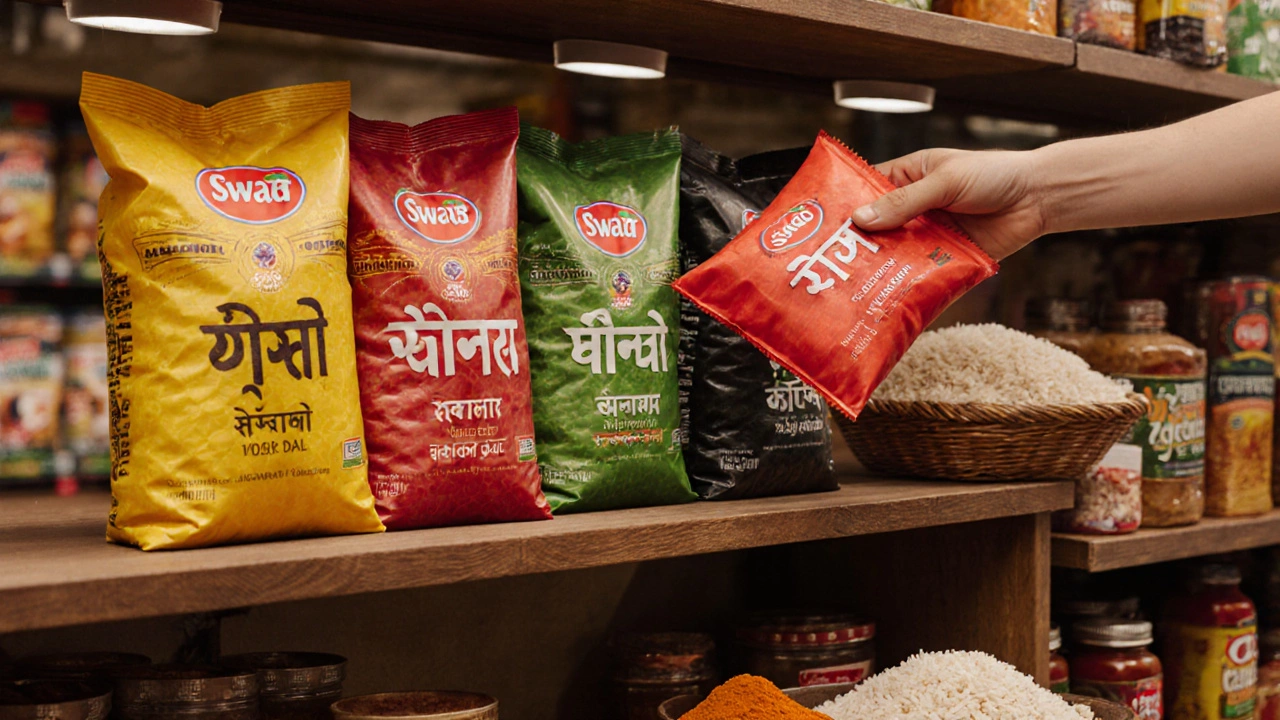
What Is Dal in the USA? A Simple Guide to India’s Everyday Lentil Dish
Dal is India's everyday lentil dish-simple, nutritious, and affordable. Learn what dal is, how it's made, and why it's becoming a staple in U.S. homes. Includes a quick recipe and where to buy it.
Read More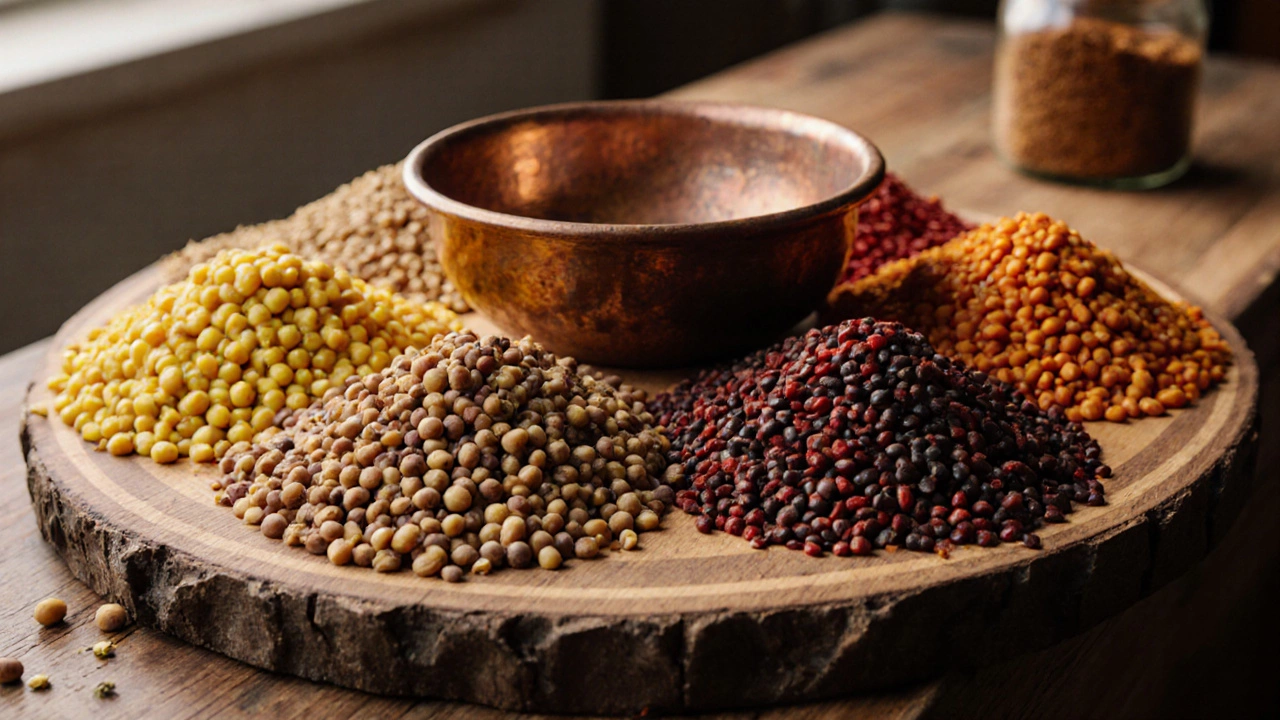
Which Dal Is Healthiest? Find the Most Nutritious Choices
Discover which dal offers the most protein, fiber, iron and lowest glycemic index. Compare five popular dals and get simple cooking tips for maximum nutrition.
Read More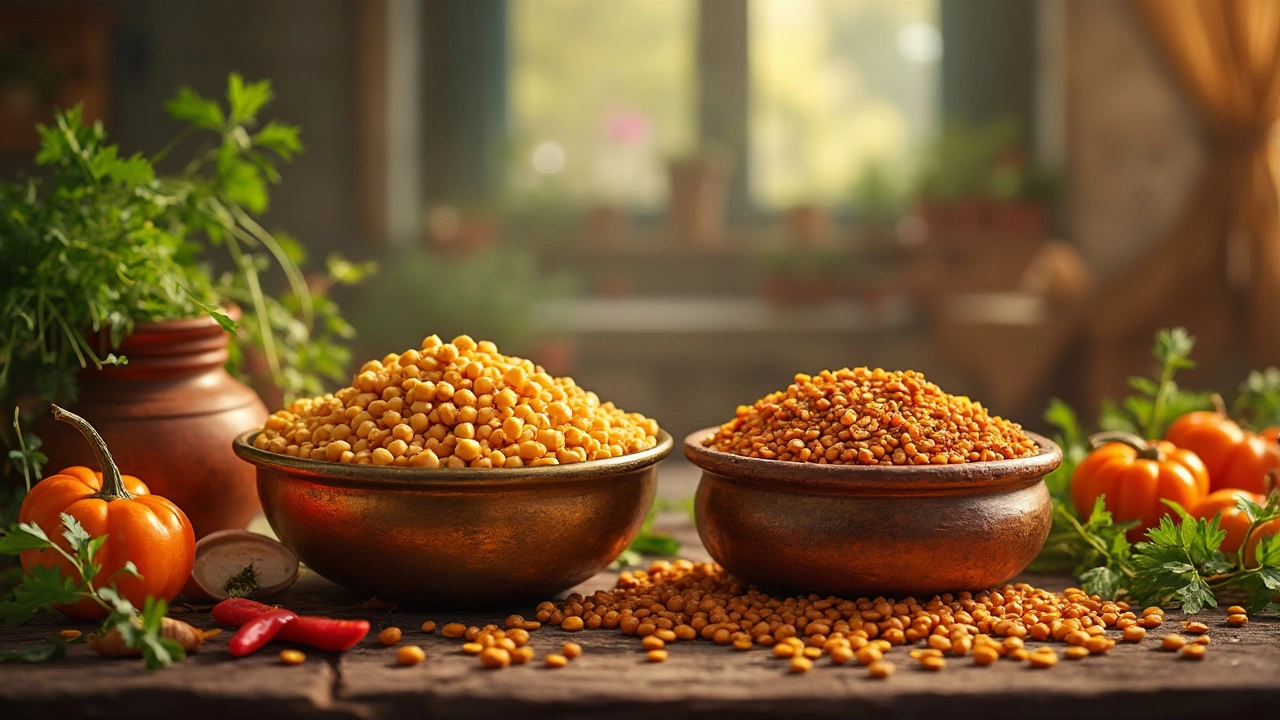
Are Chickpeas or Lentils Better for You?
Choosing between chickpeas and lentils can be tricky as they both pack a punch when it comes to nutrients. Chickpeas are known for their fiber content, while lentils offer a variety of vitamins and minerals. This article explores the health benefits of each, dives into how they can become the star of your next meal, and shares some simple dal recipes to mix up your weekday dinners. Read on to see which legume aligns best with your dietary needs and preferences.
Read More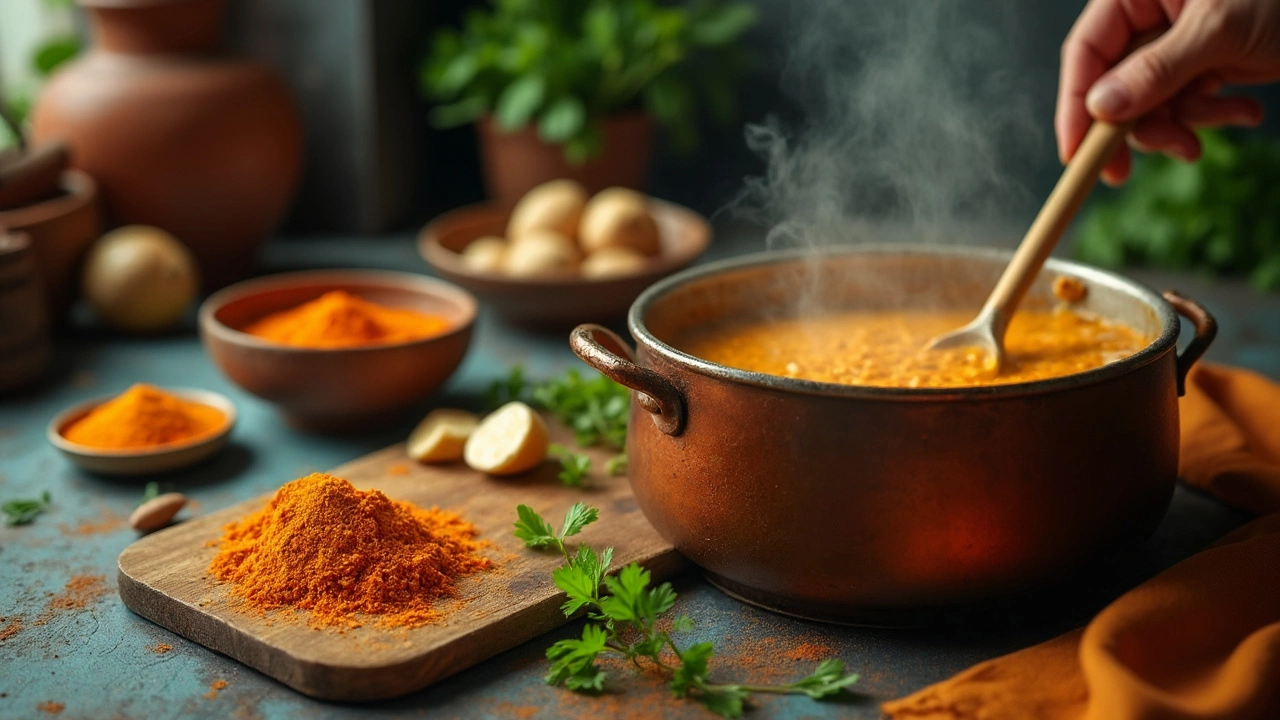
Unlocking Flavor: What Enhances the Taste of Dal?
Discover how to take your dal from bland to flavorful with simple tips and tricks. Understand the role of spices, the power of tempering, and the impact of ingredients like ghee and aromatics in elevating the taste of dal. Dive into practical advice on selecting and combining ingredients to create delicious dal dishes. Learn how small changes can make a big difference to your everyday cooking.
Read More