Dosa Batter Leavening Substitute Calculator
Enter your batter quantity and choose a substitute to get the precise measurement and preparation tips.
Recommended Measurement
Why this works?
Select a substitute to see details.
Important Tips
You are standing in your kitchen, the tawa is hot, and you just realized you have no baking soda left. Panic? Not quite. If you have ever wondered what is a substitute for baking soda in dosa batter, you are not alone. Many home cooks face this exact scenario right before breakfast. The good news is that your dosa does not need to be flat or dense. Several common pantry items can mimic the leavening action of baking soda, ensuring your crepes remain light, crispy, and airy.
Baking soda, chemically known as sodium bicarbonate, is a base. It reacts with acidic ingredients in the batter (like fermented rice and lentils) to produce carbon dioxide bubbles. These bubbles expand when heated, creating holes and fluffiness. To replace it effectively, you need an ingredient that provides similar gas production or structural lift without altering the flavor profile negatively. Let's break down the best options, how they work, and exactly how much to use so you don't end up with a bitter or metallic-tasting dosa.
Why You Might Need a Substitute
Before swapping ingredients, it helps to understand why baking soda is there in the first place. Traditional South Indian dosa batter relies on natural fermentation. Yeast and bacteria from the environment consume sugars in the rice and urad dal, producing gas over 8-12 hours. This process gives dosas their signature tang and slight rise. However, modern life often demands speed. Adding baking soda accelerates this process, allowing you to make dosas within 4-6 hours instead of overnight.
If you skip the leavener entirely in a quick recipe, you get a dense, rubbery pancake. If you use too much, it tastes soapy. So, finding the right balance is key. Whether you ran out of stock, want to avoid aluminum-based products, or simply prefer different chemical reactions, having alternatives ready saves your morning routine.
The Top Pantry Alternatives
Not all substitutes are created equal. Some change the taste significantly, while others are nearly invisible. Here are the most effective replacements, ranked by ease of use and result quality.
Baking Powder: The Closest Match
Baking powder is a complete leavening agent containing both a base (sodium bicarbonate) and an acid (usually cream of tartar). Unlike baking soda, which needs an external acid to react, baking powder contains its own. This makes it incredibly forgiving for beginners.
Because baking powder is less concentrated than pure baking soda, you need more of it. The general rule is to use three times the amount of baking powder compared to baking soda. If your recipe calls for 1/4 teaspoon of baking soda, use 3/4 teaspoon of baking powder.
- Pros: Easy to measure, consistent results, neutral taste if used correctly.
- Cons: Can leave a slight metallic aftertaste if overused; costs slightly more.
- Best for: Quick dosas where you want guaranteed lift without worrying about acidity levels.
Egg Whites: The Protein Booster
If you eat eggs, this is arguably the tastiest alternative. Whipping egg whites into stiff peaks traps air mechanically rather than chemically. When folded gently into the batter, these air pockets expand during cooking, creating a fluffy texture similar to soufflé pancakes but thinner.
For every cup of batter, separate one egg. Beat the white until it forms stiff peaks. Fold it in at the very last moment before pouring onto the tawa. Do not overmix, or you will deflate the bubbles. This method adds protein and richness, making the dosa more filling.
- Pros: Adds nutritional value, creates a tender crumb, no chemical taste.
- Cons: Requires extra effort (whipping), not suitable for vegans or vegetarians who avoid eggs.
- Best for: Masala dosas or cheese dosas where richness complements the toppings.
Yogurt or Curd: The Acidic Helper
Fermented batters already contain lactic acid, but adding fresh yogurt boosts acidity and moisture. While yogurt doesn't produce gas on its own like baking soda, it strengthens the gluten-like structure of the rice flour and helps existing wild yeasts work faster. It also adds a pleasant tang that pairs well with coconut chutney.
Add 1-2 tablespoons of thick curd per cup of batter. Let it sit for 15 minutes before cooking. This allows the acid to interact with any residual natural leavening agents. Note that this won't give you the same dramatic rise as baking soda, but it prevents the batter from being too watery and improves browning.
- Pros: Enhances flavor, improves texture, widely available in Indian kitchens.
- Cons: Makes batter thicker (may need water adjustment), slower reaction time.
- Best for: Soft idlis made from the same batter, or softer, spongier dosas.
Buttermilk: The Fermentation Accelerator
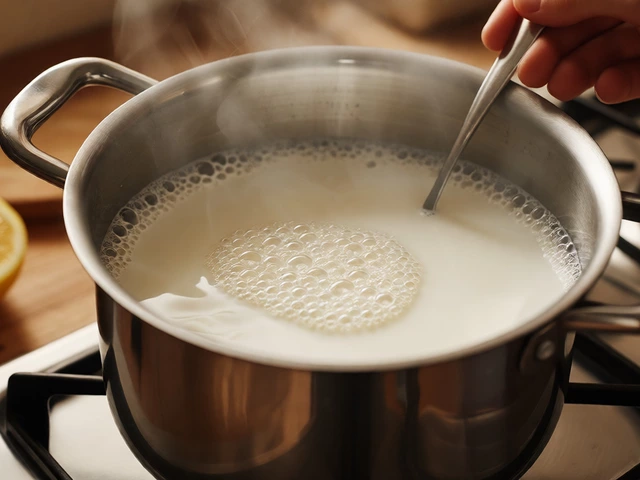
Similar to yogurt, buttermilk is thinner and easier to mix. It contains live cultures and mild acidity. Replacing some of the water in your batter with buttermilk can kickstart fermentation if you are short on time. It works best when combined with a small pinch of sugar, which feeds the bacteria.
Use a 1:1 ratio of buttermilk to water in the final mixing stage. For example, if your recipe uses 1 cup of water, use 1/2 cup buttermilk and 1/2 cup water. This keeps the consistency manageable while adding leavening power.
Comparison of Leavening Agents
Choosing the right substitute depends on what you have and what texture you want. Here is a quick breakdown to help you decide.
| Substitute | Ratio vs Baking Soda | Texture Result | Flavor Impact | Dietary Suitability |
|---|---|---|---|---|
| Baking Powder | 3:1 | Light, Crispy Edges | Neutral (if measured correctly) | Vegan, Vegetarian |
| Egg Whites | 1 White per Cup | Soft, Fluffy Interior | Rich, Savory | Vegetarian (with Eggs) |
| Yogurt/Curd | 1-2 Tbsp per Cup | Spongy, Moist | Tangy, Mild | Vegetarian |
| Buttermilk | Replace Water | Crispy, Thin | Sour, Fresh | Vegetarian |
| Club Soda | Replace Water | Very Light, Airy | Neutral | Vegan, Gluten-Free |
How to Use Club Soda for Extra Crunch
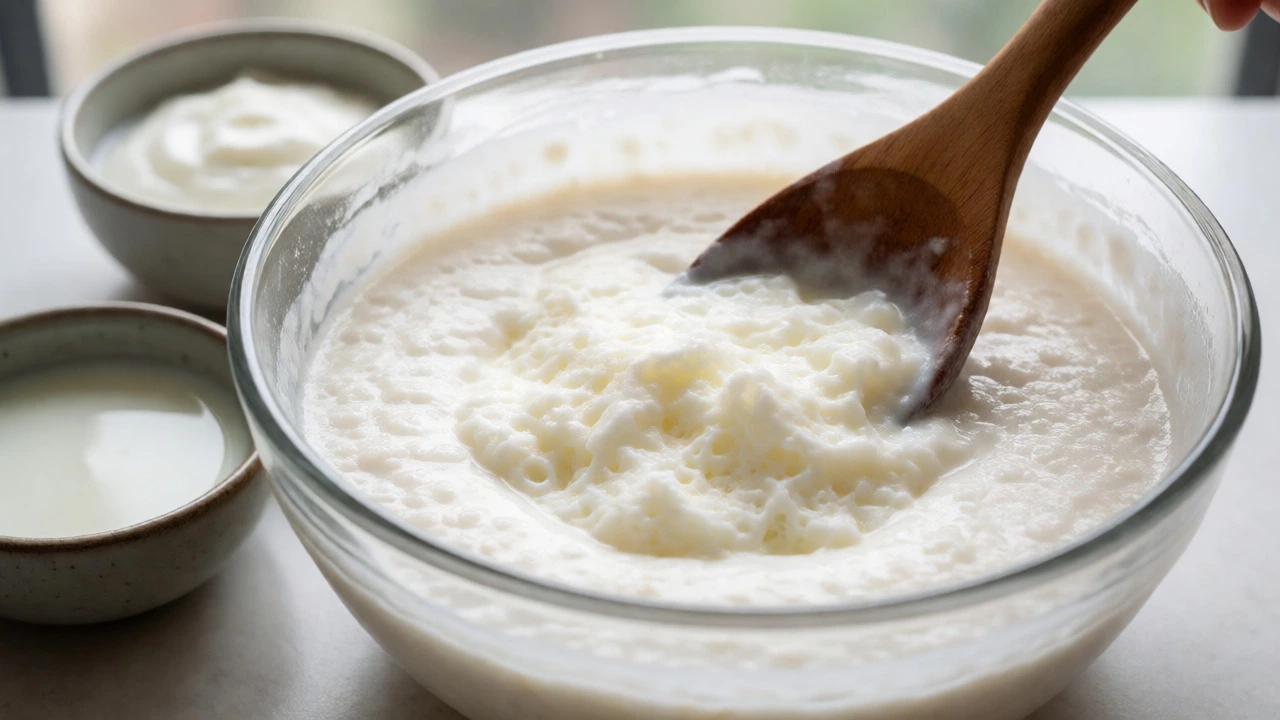
This is a secret weapon many restaurant chefs use. Carbonated water (club soda or sparkling water) introduces pre-formed CO2 bubbles directly into the batter. When you pour the batter onto the hot tawa, the heat causes these bubbles to expand rapidly, creating a lace-like crispness.
To try this, keep your batter cold. Mix in chilled club soda just before cooking. Do not let it sit, or the fizz will escape. Start with replacing half the water with club soda. If you like it crunchier, go full club soda. This method is excellent for crispy masala dosas where you want shatteringly thin edges.
Common Mistakes to Avoid
Even with the right substitute, execution matters. Here are pitfalls that ruin dosas.
- Overmixing after adding leavener: Once you add baking powder or whipped egg whites, stir gently. Aggressive stirring knocks out the air bubbles you just created.
- Using old baking powder: Baking powder loses potency after opening. Test it by dropping a teaspoon into warm water. If it fizzes vigorously, it is alive. If not, throw it away.
- Ignoring temperature: Cold batter hits a hot pan differently than room-temp batter. For chemical leaveners like baking powder, a moderately hot pan ensures the reaction happens slowly enough to spread the dosa before it sets.
- Adding salt too early: Salt can inhibit yeast activity in fermented batters. Add salt only when you are ready to cook, especially if using natural fermentation methods alongside substitutes.
Troubleshooting Your Dosa Texture
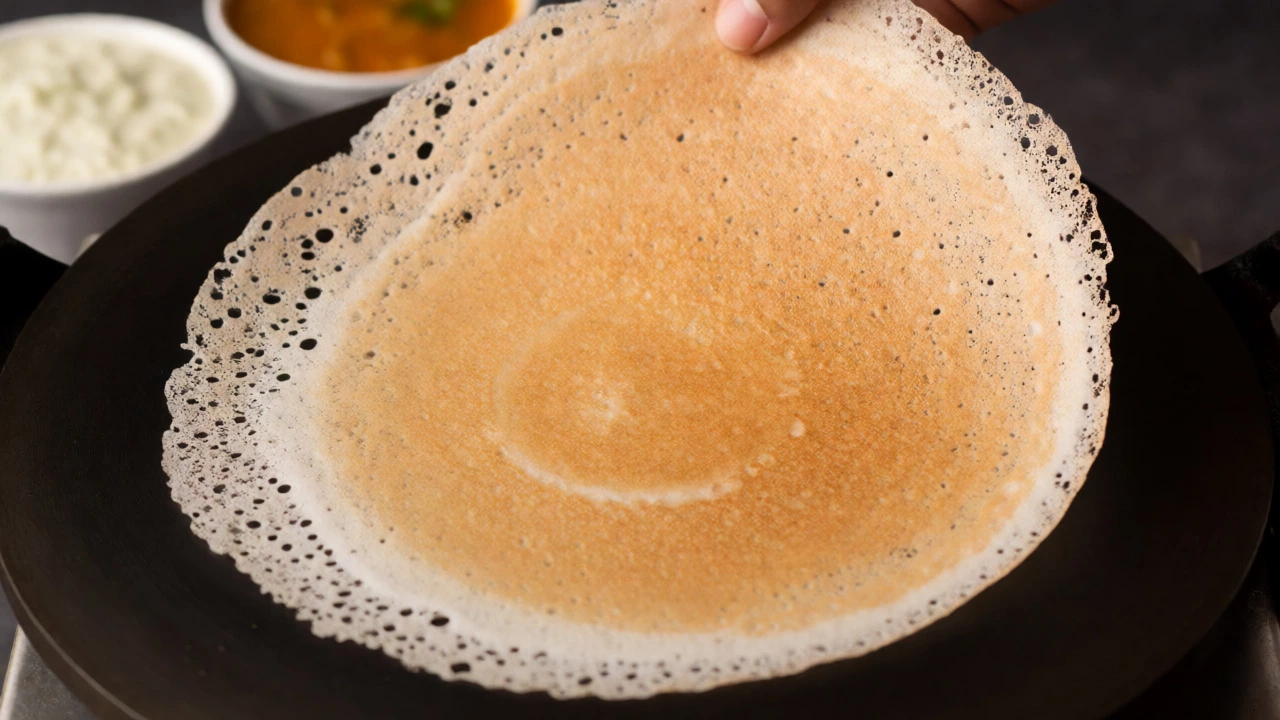
If your dosas still aren't turning out right, diagnose the problem based on appearance.
- Sticking to the pan: Usually means the batter is too thin or the pan isn't seasoned/hot enough. Try adding a bit more rice flour or ensuring the tawa is properly oiled and heated.
- Tastes soapy or bitter: Too much baking soda or baking powder. Reduce the amount next time or switch to egg whites/yogurt.
- Pale and soft: Not enough heat or insufficient leavening. Increase the flame slightly and ensure your substitute is fresh.
- Cracks around edges: Batter is too thick. Add water gradually until it flows like heavy cream.
Final Thoughts on Flexibility
Cooking is about adaptation. You do not need to run to the store because you lack one specific ingredient. Understanding the chemistry behind your food empowers you to improvise. Whether you choose baking powder for convenience, egg whites for richness, or club soda for crunch, each option offers a unique twist on the classic dosa. Experiment with these substitutes to find your personal favorite. Your breakfast table will thank you for the variety.
Can I skip baking soda entirely?
Yes, if you allow the batter to ferment naturally for 8-12 hours. Natural fermentation produces enough gas to lighten the batter. However, if you are making "instant" dosa batter (within 2-4 hours), skipping a leavener will result in a dense, hard pancake.
Is baking powder healthier than baking soda?
Neither is inherently healthier. Both are chemical leaveners. Baking powder contains added acids and starches, which some people prefer to avoid due to potential additives. Baking soda is pure sodium bicarbonate. Choose based on availability and dietary preferences regarding additives.
How much baking powder should I add to 1 kg of dosa batter?
For 1 kg of batter, start with 1 teaspoon of baking powder. Mix it in thoroughly and test one dosa. If it lacks lift, add another 1/2 teaspoon. Remember, you can always add more, but you cannot take it out if it becomes too soapy.
Does vinegar work as a substitute?
Vinegar itself does not create lift; it is an acid. It must be paired with baking soda to work. If you have neither baking soda nor baking powder, vinegar alone will not make your dosa fluffy. It will only affect the pH and flavor.
Can I use yeast instead of baking soda?
Yes, active dry yeast is a biological leavener. Dissolve 1/2 teaspoon of yeast in warm water and mix it into the batter. Let it rest for 30-45 minutes. This provides a more traditional fermented flavor and texture than chemical leaveners.