Vegetarian Diet India: Real Foods, Real Traditions
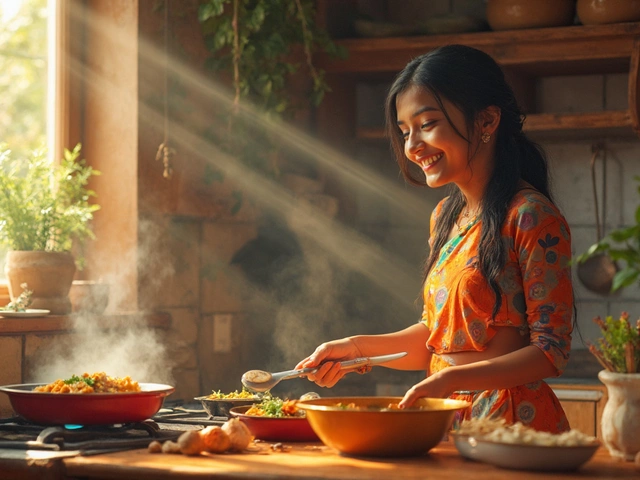
When people talk about a vegetarian diet India, a way of eating centered on plant-based foods with deep cultural roots across the country. Also known as Indian vegetarian cuisine, it’s not about avoiding meat because of trends—it’s about generations of wisdom, regional ingredients, and meals that keep you full without ever feeling heavy. This isn’t a fad. It’s the daily reality for over 400 million people in India, and the food they eat every morning, noon, and night is built on simplicity, balance, and flavor that doesn’t need meat to shine.
The backbone of this diet? dal, a simple, spiced stew made from split lentils or pulses, cooked daily in nearly every Indian home. It’s not just protein—it’s comfort, it’s affordability, and it’s the reason so many Indians stay strong on plant-based meals. Then there’s dosa, a fermented rice and lentil crepe that’s crispy on the outside, soft inside, and often eaten with coconut chutney and sambar. It’s breakfast, snack, and dinner rolled into one, and it’s packed with probiotics from natural fermentation. These aren’t occasional dishes—they’re staples, eaten by farmers, students, office workers, and grandmothers alike.
What makes this diet work isn’t just what’s in it, but what’s left out. No processed sugars, no fake meats, no endless snacks. Instead, you get healthy Indian snacks, like roasted chana, poha, upma, or ragi laddus—foods that give energy without crashing. These snacks aren’t labeled as "diet food." They’re just food. And they’re why so many Indians stay healthy without counting calories or following fads. You’ll find this same logic in every region: in the south, idli and sambar; in the north, paneer tikka and chole bhature; in the west, dhokla and thepla. Each dish uses local grains, spices, and vegetables—nothing imported, nothing artificial.
Some think vegetarian means bland. But anyone who’s tasted a well-made chole or a spicy, tangy poha knows that’s not true. The heat comes from fresh chilies, the depth from asafoetida, the sweetness from jaggery, and the creaminess from coconut milk—all natural, all traditional. This diet doesn’t rely on supplements or protein powders. It gets its strength from lentils, millets, yogurt, nuts, and seeds. It’s not perfect, but it’s real.
Below, you’ll find real recipes, honest answers, and clear explanations about what makes Indian vegetarian food work—no fluff, no myths, just the food people actually eat every day. Whether you’re curious about dal, wondering if dosa is healthy, or looking for snacks that actually help with weight loss, you’ll find it here.
Are Eggs OK to Eat in India? A Clear Guide for Vegetarians and Non-Vegetarians
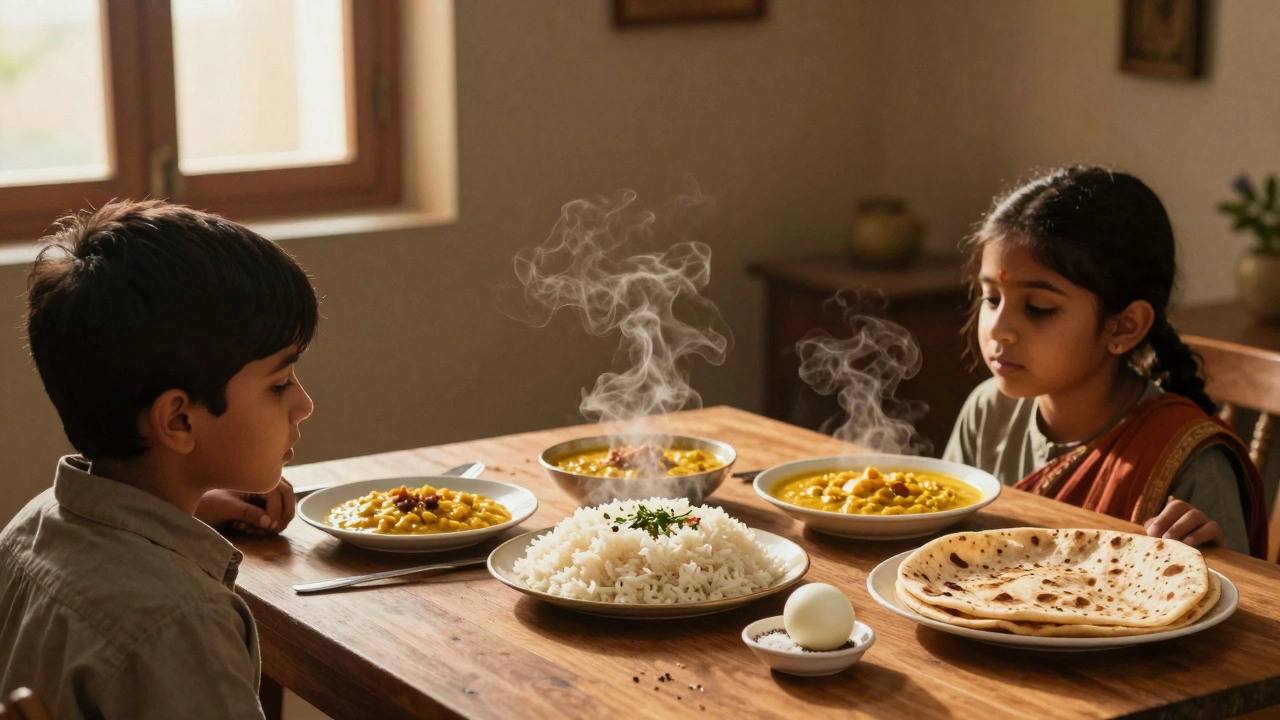
Eggs in India are culturally considered non-vegetarian, but nutritionally and scientifically, they’re a healthy, affordable protein source. This guide breaks down religious views, regional practices, and why many Indians eat eggs despite being labeled vegetarian.
Read More